I knew the moment I walked into Dr. Felix Sterling’s office that I’d found my next leading man—or at least, the messiest genius in a three-mile radius. His office was part library, part explosion, and part cry for help. Books everywhere. Three open laptops. A whiteboard covered in formulas that may or may not have been about lube viscosity.
Dr. Sterling himself was hunched behind a desk, chewing the end of a pen and looking like a gay Doogie Howser who’d aged into anxiety and never stopped pulling all-nighters.
Me: Dr. Sterling. Thanks for letting me barge into your natural habitat.
Felix: Oh! Yes! Thank you for coming. I—wait, not like that—I mean, thank you for visiting. [He shoves a pile of papers off a chair with a panicked gesture.] Please, sit down! I printed out a journal article for you but then spilled coffee on it. And ink. And possibly a chemical that makes mice fall in love.
Me: Happens to the best of us. So, you’re a tenured professor, a published researcher, and you’ve got a… very interesting extracurricular situation.
Felix:[blushes hard] If you’re referring to the, um, transformation serum, that was honestly never supposed to be public. I synthesized it during a particularly lonely Valentine’s Day. [beat] They say necessity is the mother of invention, but loneliness? She’s a wicked stepmother with a strap-on.
Me: Wow. Okay, let’s unpack that. Are you lonely?
Felix:[laughs nervously, then stops] Yes. Profoundly. I haven’t had a boyfriend. Ever. Not a real one. I mean, there was that guy from Reddit who mailed me a lock of his hair, but that doesn’t count, does it?
Me: …No. That counts in court records, not dating history.
Felix: Exactly. I’m just not… I don’t know. People don’t see me that way. I talk too fast. I care too much about obscure 18th-century aphrodisiacs. I own a custom lab coat with my D&D character embroidered on it.
Me: Sounds like husband material to me. But you did create a serum that changes your entire personality?
Felix: It’s more than that. The compound rewires neural inhibition, boosts testosterone, and hijacks frontal-lobe regulation. It unleashes the part of me that isn’t scared all the time. The part that doesn’t double-check his outgoing emails for tone. [quietly] The part people actually want.
Me: Felix. C’mon. You are the whole package. You just don’t see it.
Felix: That’s sweet of you to say, but I assure you, the only people who’ve called me “hot” were under the influence of my own synthetic aphrodisiac. And it was a peer-reviewed double-blind trial, so they didn’t technically know it was me.
Me: Felix. Babe. What if you drank the serum right now?
Felix: Oh no no no no—absolutely not. The last time I did that, I woke up with glitter in places I don’t talk about, a tattoo of a dolphin with abs, and a police citation for “inappropriate hot tub evangelism.”
Me: Exactly. That’s the kind of energy this blog needs. For the readers.
Felix: But—I—this is supposed to be a serious academic interview!
Me: This is serious. I’m seriously begging you. C’mon, just one sip. For science. For love. For the readers who like a good “nerd to thirst trap” transformation.
Felix: sighs Fine. But if I start stripping, you have to turn the recorder off. Unless it’s for Patreon content.
Me: Deal.
Felix opens a drawer and retrieves a small, glowing vial. He eyes it like it’s his worst idea and his best chance. With one last glance at me — equal parts dread and curiosity — he knocks it back like a man surrendering to fate.
He shudders. A low sound escapes him. And then… he changes.
The curve of his spine straightens. The nervous fidgeting stills. His eyes sharpen with intent. One eyebrow arches in slow, sexy defiance. The glasses come off and so does the act.
Jax: Ahhh. That’s better. [Cracks his neck, flashes a grin so smug it should be illegal.] You must be Ian. You’ve got the kind of vibe that makes a man wanna misbehave in a hotel elevator.
Me: I—okay. Hi, Jax. Welcome to the interview.
Jax: Thanks, darlin’. Felix gets all shy about this part, but I’ve got no such hang-ups. What do you wanna know? I’m an open book. A very naughty, slightly bent book.
Me: Well, people are curious. Who are you, exactly?
Jax: I’m what happens when Felix stops worrying about tenure and starts worrying about pleasure. I’m the part of him that says, “Screw the rules,” and then actually does. I like good wine, bad decisions, and kissing boys who use big words. [leans forward] Especially if they wear glasses and pretend they’re not kinky.
Me: You seem… confident.
Jax: Oh, I am. Confidence is just chemistry with better posture. I don’t waste time overthinking. I want something, I say it. I feel something, I do something. And if someone wants me? Baby, I notice.
Me: So you’re basically Felix, minus the insecurity.
Jax: Exactly. Felix is all heart and no hustle. I am the hustle. And sometimes, people need both. [pauses, then softens — just a little] He wants to be loved, you know. Not just admired for his brain. He wants someone to look at him and see him — the stammering, brilliant, lonely man who’s never quite believed he was enough. He doesn’t think he deserves to be wanted.
Me: But you do?
Jax: Oh, sweetheart. I know he does. That’s why I exist. [grins again, full heat this time] And if anyone needs convincing? I’ve got a few ideas that don’t require words. Just consent… and maybe a sturdy table.
The Naughty Professor is available to preorder now. Come fall for Felix. Try to survive Jax. And maybe discover that sometimes, the messiest love stories are the ones that actually stick. The preorder price is 3.99, and goes up to 4.99 on release day!
I wasn’t scheduled for anything else today, which meant one thing: freedom. Sweet, beautiful, no-lube-needed freedom. No studio lights, no body oil, no terrible dialogue I had to deliver while holding a plank position.
I leaned against the front desk like I had nowhere better to be, which was a lie, but a cute one. Petyr was scrolling on his phone, probably looking at tweets about union strikes or articles on OSHA violations. Dimitri had a sudoku book open, pencil tapping against the counter like it was a metronome set to “mildly annoyed Russian.”
“Another thrilling day in adult entertainment customer service,” I said, grinning. “Tell me, gentlemen… when you dreamed of escaping Soviet oppression, is this what you pictured? Lube shipments and call sheet drama?”
Petyr snorted. “Back then, I dreamed of eating a sandwich without standing in a line for three hours.”
“Dream big,” I said.
Dimitri didn’t look up from his puzzle. “At least this job comes with free coffee. Even if it tastes like sadness and broken promises.”
I laughed. They were both like that—sharp, dry, impossible to rattle. They were also disgustingly in love. It had been what, decades now? Since before I was born, probably. Every time I caught them sneaking little glances at each other or making dirty old man jokes, part of me wanted to roll my eyes… but a bigger part of me just… wanted.
I wasn’t used to that feeling. Most of the time, I was perfectly fine just floating. Hookups, jokes, nights on stage with a mic in my hand, making people laugh so they didn’t notice I was deflecting my loneliness like a human pinball machine. Love was for other people. People with stable home lives and functional trust issues.
But watching Dimitri scribble in his sudoku while Petyr tilted his phone toward him to share some meme, and seeing the way they smiled at each other like it was all still new? Damn. I wanted that. Someday. Maybe.
If I didn’t die of sarcasm poisoning first.
I was about to say goodbye and head out when the phone on the desk rang. Dimitri picked up, still holding his pencil like he was ready to stab something if this was another spam caller. “Boys On Film, how can I direct your… oh. It’s you.” His whole tone shifted. “Yes, sir. He’s standing right here.” Then he held the receiver toward me like it was radioactive.
“It’s the boss.”
I blinked. “Jack?”
Dimitri nodded. “Da.”
I grabbed the phone, a little confused. Jack never called me directly unless it was about a scene. “Nico Steele, local legend, speaking.”
Jack’s voice crackled on the line. “Cute. Listen, I need you to come to the production meeting. Conference room. Ten minutes.”
I frowned. “Production meeting? Why? I’m not a producer. Or a director. Or even emotionally stable enough to be in that room.”
“You’ll understand when you get there,” Jack said. Then he hung up.
I lowered the phone slowly. “Well. That’s not ominous at all.”
“Good luck,” Petyr said, already back to doom scrolling.
Dimitri winked. “If there are bagels, bring me one.”
I headed toward the conference room, curiosity buzzing in my chest like a bad caffeine hit. This was weird. What did Jack want me there for? Was I in trouble? Was I getting fired? Promoted? Canceled?
Right as I turned the corner near the makeup suite, I almost collided with… oh no.
Bradley.
He was limping like a war survivor. Moving like every joint hurt. And his face… Jesus. The area around his eyebrows was an angry, blistering red. Like he’d lost a fight with a glue gun.
I winced in sympathy. “Dude… you okay?”
Bradley just shook his head, slow and defeated. His eyes were wide and glassy, like he’d just seen the face of God, and it was wearing a waxing apron.
“Eyebrows?” I guessed, nodding at his scorched forehead zone.
He gave me a barely there nod. His mouth opened like he wanted to speak, but no words came out. Just air and trauma.
I wanted to hug him. Which was new. Physical affection wasn’t usually my default setting. But there was something about the way he looked right then. Like a kicked puppy who’d been dumped in a rainstorm, that tugged at something soft in my chest.
Before I could act on the impulse, he mumbled, “I’m supposed to meet Jack and Liam for… something. A meeting.”
My ears perked up. “Wait. No way. Me too. Come on, just follow me.”
Bradley hesitated, like he didn’t trust the universe anymore. Which was fair, but he limped after me, anyway.
And as we headed toward the conference room, side by side, something in my stomach did a weird little somersault. Like… anticipation. Or dread. Or… something else I couldn’t name yet.
Bradley shuffled next to me like a condemned man heading toward the firing squad. Every step looked like it hurt. Hell, even watching him walk hurt.
I kept glancing sideways at him, debating whether to put an arm around his shoulders. Would that be weird? Too much? Too soon? Probably. But… damn. The poor guy looked like he’d been through a full season of America’s Next Top Traumatized Porn Star.
We hit the hallway leading toward the conference room. Carpeted, quiet, the kind of corporate ambiance that screamed “free coffee and passive aggression.”
Bradley cleared his throat. “Do you… uh… do you know what this meeting’s about?”
I shook my head. “Nope. Jack was super evasive. Real ‘I’ll tell you when you get there’ energy. Like a horror movie, but with worse lighting.”
Bradley sighed. “Awesome.”
There was a beat of silence. Then, just loud enough for me to hear, he muttered, “Can’t even sit down…”
I glanced over. “Wait. Why?”
He stopped walking. Turned toward me. His eyes were shiny, like actual tears pooled up along the lower lids.
And in the most broken, betrayed voice imaginable, he said, “That crazy old lady… bleached my asshole.”
I froze. My brain short-circuited. Like, full system reboot.
My mouth opened. Closed. Opened again.
And then, before I could talk myself out of it, I opened my arms wide. “Oh, buddy… come here.”
Bradley didn’t even hesitate. He stepped right into my chest like it was the most natural thing in the world.
I wrapped him up in both arms, pulled him tight… and immediately regretted how hard I squeezed when he made a tiny, wounded noise and whispered, “Ow… my back…”
“Shit, sorry.” I loosened my grip fast, hands going soft on his shoulders. “Forgot about the… uh… full body trauma.”
We laughed, both of us quick and awkward, and then kept walking.
When we pushed open the conference room door, the full cast of characters were already mid-salad. Laura, Liam, Jack, Nessa, and Moira were all sitting around like the judges’ panel on some adult industry version of Shark Tank. Coffee cups were everywhere. Half-eaten chopped salads. Nessa had her phone out like she was live-tweeting Bradley’s suffering.
Jack looked up first. “Grab some food and have a seat.”
There was a buffet spread along the back wall. Sandwiches. Fruit. A giant bowl of mixed greens that looked like sadness coated with dressing.
Bradley made a beeline for the farthest end of the table, keeping his distance from anything leafy.
I drifted behind him, watching the way Nessa’s eyes lit up when she spotted him. Like a cat that discovered a bird with a broken wing.
“Oh, no, you don’t,” I muttered under my breath. I parked myself next to him at the buffet line, close enough to block her line of attack.
Bradley hovered awkwardly over the food, looking like none of it made sense to him. Like he wasn’t sure if eating would make the pain better or worse.
Trying to cheer him up, I nudged his shoulder. “You know what helps after a traumatic cosmetic experience?”
He glanced at me, wary. “What?”
“Carbs. Lots and lots of carbs. Bagels are nature’s apology letter.”
That got him. A tiny, reluctant laugh broke out of him. Soft but real. His first actual smile since I’d seen him.
And wow.
Hearing that sound, God. It hit me right in the chest. Made me want to hear it again. Immediately.
So I kept going.
I grabbed a sandwich and held it up like I was a game show model showing off a prize. “This one’s got turkey and provolone. Full of healing properties. Also, I’m pretty sure eating it will reverse the psychological damage caused by Lola’s… services.”
Bradley’s laugh got a little louder. “Not sure that’s medically accurate.”
“Oh, I don’t do medical accuracy,” I said, grinning. “I do emotional support and poor decisions.”
He smiled down at the sandwich tongs like they were suddenly the funniest thing he’d ever seen.
We were still standing there, giggling over deli meats, when Jack cleared his throat.
Both of us turned toward the table.
Everyone—and I mean everyone—was staring at us.
Laura had one eyebrow raised, like she was mentally taking notes. Liam was biting back a smirk. Moira had gone into full gossip-mode, sipping her coffee slowly like she was watching a soap opera. And Nessa… Nessa looked like Christmas had come early.
Jack gave us a look that said “Anytime, gentlemen.”
Sheepishly, Bradley and I grabbed our food and hustled to two empty chairs side by side.
As we sat down—Bradley gingerly, like every surface was made of hot coals—I stole one last glance at him.
He was still red around the eyebrows. Still moving like he needed medical leave. Still adorable in that whole wounded-animal sort of way.
I didn’t know what this meeting was about.
But I suddenly didn’t mind being here at all.
Jack cleared his throat again. “Alright. Let’s call this meeting to order…”
And with that, we were off.
Jack cleared his throat again, tapping a pen against the table like he was warming up for a TED Talk. “First off… Nico.”
I blinked. “Me?”
Jack nodded, giving me a rare, genuine smile, the kind he usually reserved for Liam or big subscriber milestones. “We want to thank you for trusting us with your comedy career. It means a lot. We’re gonna work our asses off to make sure you’re a success.”
My stomach did this weird, flippy thing. “Wow. Thanks, boss.” I gave him a little salute. “I like the sound of ‘success.’ Sounds expensive.”
The table chuckled.
Nessa leaned forward, her huge acrylic nails tapping against her iced coffee like castanets. “And speaking of expensive… your management contract’s ready.” She pointed at me, all sly grin and Bronx attitude. “After this meeting, I’ll give it to you to look over.”
Liam immediately jumped in, waving a forkful of salad for emphasis. “And get an entertainment lawyer to review it. Seriously.”
I gave him a thumbs-up. “Obviously. I like to know exactly how I’m selling my soul.”
“Good man,” Liam said.
Jack set his pen down with a little clap against the table. “Okay. Now, for the real reason, we’re all here.”
Everyone shifted in their chairs. Moira put down her phone. Even Laura sat up straighter.
Jack gestured toward Nessa like he was passing a live grenade. “Ness, you wanna explain?”
Nessa beamed like it was Christmas morning and she’d just unwrapped a pair of Louboutins. “Absolutely.” She flipped open her notebook and pushed her sunglasses up onto her head like a Wall Street executive, if Wall Street executives wore hoop earrings and hot pink lipstick.
“So. Earlier today, I had a visit from a group of Japanese businessmen.” She gave a dramatic pause, letting that sink in. “They’re here in the States for some kind of… tech conference? Anyway, they found our site, watched a few of our videos, and they want to hire us, Boys On Film, to produce a custom scene for them.”
Laura blinked. “Wait… an outside contract? Like… an actual commission job?”
Nessa nodded. “Yep. Fully funded. Their production company wired over the deposit already.”
There was a collective buzz of excitement around the table. This was big. Like… real-world, industry-recognized big.
“They’ve offered…” Nessa flipped a page for dramatic effect. “…almost two hundred thousand dollars for the project.”
The entire room went silent.
Even Jack looked like he might faint.
For about three full seconds, the only sound was Moira’s straw sucking the last inch of coffee from her cup.
Then, all at once…
“Two hundred K?!”
“Holy shit.”
“Are you serious?”
I just sat there blinking. Even Bradley—poor traumatized, still-pink Bradley—looked like he was having a mild out-of-body experience.
Liam held up a hand like a traffic cop. “Okay, hold on. This all sounds amazing, but… what exactly are we making for them?”
Jack smirked. “Glad you asked.”
All eyes swung back to Nessa. She bit her lower lip, clearly savoring the buildup like it was dessert.
“When I heard what they wanted,” she said, voice syrupy with fake innocence, “the first person I thought of… was Bradley.”
Everyone turned.
Bradley froze like a deer caught in very judgmental headlights.
“Wait, what? Why me?” His voice cracked halfway through.
“Yeah… why Bradley?” Liam asked, glancing between them.
Nessa clapped her hands once. “Because the project is… drumroll please…”
Moira tapped on the table obligingly.
“…a gay bukkake video.”
The room went dead silent again.
I felt my pulse kick up, suddenly wide awake. “Okay wait… I’ve heard that word before… but I don’t actually know what it is.” I looked around the room like I was expecting someone to say it meant “group hug” or “team-building exercise.”
Laura gasped like I’d just admitted to not knowing how to use Google. “Oh, my God. No. Are you sure we wanna go there? Boys On Film’s never done something that hardcore before!”
Nessa waved her off like she was swatting at a fly. “Laura, sweetie, did you not hear me? Two. Hundred. Grand.”
That shut everyone up again.
I mean… we were all whores in different ways. But two hundred thousand dollars? That was… retirement money. Health insurance money. Rent-for-a-few years money.
Liam gave Jack a look. “We’ve… never done anything like this before.”
Jack’s expression stayed cool and calculating. “We’ll figure it out.”
I raised my hand like I was back in high school. “Okay, but like… what is it, though? Someone explain for the people in the room who don’t have a porn PhD.”
Moira snorted into her coffee.
Nessa smiled at me sweetly. “It’s simple, baby. One guy kneels on the floor… and a bunch of other guys… finish on him.”
My brain took about five full seconds to process that.
I turned to Bradley just in time to see all the color drain from his face like a cartoon character fainting.
He pushed back from the table like he was about to make a run for it. “Hell no,” he said. Loud and immediate. “Absolutely not. There’s no way I’m letting a bunch of guys jizz all over me. No. Nope. Not happening.”
I kind of wanted to applaud. The man had conviction.
Jack leaned forward, propping his elbows on the table, that signature wicked grin spreading across his face. “Would you do it… for twenty thousand bucks?”
Bradley froze mid-freakout.
I could practically see the math happening behind his eyes. Rent. Debt. Food. Survival.
He swallowed hard.
And then, after the most painful, reluctant pause in history, he said, voice both soft and doomed:
“Yes. Yes, I’ll do it.”
Heads up, babes! The Casting Couch is officially up for preorder at your favorite online bookstore—and trust me, you’ll want to lock it in early. The preorder price is just $4.99, but it jumps to $5.99 on release day, July 17. That’s one hot dollar saved—use it to tip your favorite fantasy or buy a pack of gum for the awkward scenes. Either way, grab your copy now and get ready for a hilarious, steamy ride full of ex-cons, adult film chaos, and one seriously complicated crush. 💋
Laura’s voice cracked across the set like a whip. The overhead lights buzzed, the giant box fan in the corner kept humming like it had a personal vendetta, and somewhere behind the camera, Moira was snickering loud enough for me to hear.
Laura stomped onto the set with that exasperated little march she did when she was two heartbeats away from losing her mind. Her high ponytail was frizzing at the edges, and she had a smudge of eyeliner under one eye like she’d rubbed her face sometime around hour five of this nonsense.
She pointed a French-manicured finger at Holden. Well…Bob. Real name: Bob Hildebrandt. Stage name: Holden Alcock, because branding is a cruel god.
“Holden,” she said, hands on her hips like a furious school principal, “I know this is your last day working for us, but I need you to dial up the passion. Watching paint dry while someone read a tax manual out loud would be sexier.”
Holden, lying on his back on the rented IKEA bed, gave her a lazy thumbs up. “Got it, boss lady.”
Boss lady. Jesus.
I sat back on my heels, still between his legs, and fought the urge to roll my eyes so hard they’d fly across the room. I liked Laura, and most of the people here. But Holden? No. I didn’t like Holden. I didn’t dislike him enough to wish him dead, but I wouldn’t send flowers to the funeral.
I mean…he was nice. Sort of. In a “damp washcloth” kind of way. Pleasant. Forgettable. Flexible to an almost concerning degree. Like, circus contortionist flexible. I once watched him scratch the back of his head with his own foot during a stretch. Not cute. Not sexy. Definitely not the kind of thing I needed to picture when I was trying to fake my way through another afternoon of studio lighting and organic coconut oil.
But hey—silver lining? After today, I’d be back to solo scenes until they found me a new partner.
Or three.
Laura clapped her hands twice. “Okay! Reset positions! Nico, on top. Holden, you’re on the bottom. Let’s finish this.”
I sighed, repositioned myself, and leaned over Holden with all the fake bedroom eyes I could muster. The AC kicked on, rattling the ductwork above us. The smell of lube, sweat, and cheap vanilla-scented air freshener filled the studio.
“Action!” Laura called.
We started again.
Holden moaned like a man auditioning for a haunted house job. Long, drawn-out, and about as natural as botched Botox.
I moved my hips, grinding slow and steady, trying to remember if I’d paid my electric bill. I had a set tonight at the Brooklyn Comedy Collective. Ten minutes. New material. The jokes weren’t finished, but they were percolating somewhere in the back of my brain like stale coffee.
Joke one: Why did the porn star refuse to do missionary?
Because after a decade in the industry, the only thing he believes in is doggy style and nihilism.
Okay. Not bad. Needs a punchier tag.
I shifted my weight, changing rhythm just enough to make Holden gasp like he’d been goosed by the ghost of bad acting past.
Joke two: Things I’ve learned from adult film: lube solves most problems, eye contact solves the rest, and if the cameraman falls off the ladder mid-scene, just keep going.
That one actually made me grin. My shoulders shook with the effort not to laugh.
And then came joke three.
Joke three: My career path was either to be a porn star or youth pastor. Honestly? The skill set is the same. Lots of fake enthusiasm, plenty of awkward silences, and you’re constantly pretending not to notice when people cry.
I snorted.
Out loud.
Mid-thrust.
Right into Holden’s ear.
He jumped like I’d tased him, and Laura’s voice sliced through the studio again.
“Cut!”
I froze. Holden froze. The sound guy actually dropped his mic boom onto the floor with a thud.
Laura stormed toward us again, rubbing her forehead like she was developing a migraine with my name tattooed on it.
“Nico,” she said, drawing out my name like she was considering using it in a curse. “Were you running jokes in your head again?”
I flushed. Warmth spread from my ears down to my neck like a sunburn of shame.
“…Maybe.”
Laura shook her head and let out a long, dramatic sigh worthy of a community theater production of Les Mis. “Baby, I love you. You’re talented, gorgeous, and you’re charismatic as hell. But please. Focus. Give me fifteen more minutes of serious top energy and I’ll let you out of here in time to bomb at your open mic.”
I grinned sheepishly. “It’s not an open mic. I got booked for a spot.”
“Even worse. Now make me proud. Or at least make me something usable for the website.”
I gave her a lazy salute, repositioned again, and did my best to clear my head of jokes, existential dread, and the temptation to improv a monologue about bad acting and worse moaning.
Fifteen more minutes.
Then I’d head straight for the subway, pray the L train wasn’t delayed, and go bomb onstage like the professional disaster I was born to be.
The L train screeched along the tracks like it was trying to shake us off. I had one earbud in, blasting some low-fi beat with enough bass to rattle my brain, but it still wasn’t enough to drown out Nessa and Moira holding court three seats down.
Nessa and Moira worked with me at Boys On Film, the adult film studio where I spent most of my daylight hours pretending to enjoy myself on camera. Nessa was one of our talent managers—a six-foot-tall, red-haired Bronx hurricane in platform heels, with a psychic ability to detect drama and romantic tension from a hundred yards away. Moira ran hair and makeup, with eyeliner so sharp it could cut glass and a voice that could wake the dead. Together, they were chaos in lipstick form. Loud, nosy, and endlessly entertained by my personal life.
Moira was already halfway into a story about some guy she’d hooked up with who, apparently, had a tattoo of Tweety Bird on his inner thigh. Nessa was wheezing with laughter, pounding her fist against her knee like she was trying to restart her own heart.
“And I said to him—get this—I said, ‘What is this, Looney Tunes or a cry for help?’” Moira cackled.
Nessa nearly choked. “Bitch! Stop! You’re gonna get us kicked off this train!”
A woman across the aisle shot them a dirty look. Moira winked at her like she was doing charity work.
I pulled my beanie lower over my ears and kept my head down, staring at the scuffed floor between my sneakers. My heart was doing double Dutch in my chest, and I kept running my set list through my head like I could cram jokes in at the last minute and magically become…well…good.
This was one of my first real bookings. Not just an open mic. Not just five minutes before a room full of other sad comics and two drunk tourists looking for the bathroom. A real show. With a real audience. And actual money at the end of it.
It wasn’t much money, but still.
If I pulled this off… If I kept pulling it off… Maybe I wouldn’t have to fake-orgasm on camera anymore for a living.
That thought alone kept me breathing.
The train jerked, announcing our stop with a metallic whine and the unmistakable voice of a disinterested MTA conductor who sounded like he hated everyone.
“All right, bitches, let’s roll!” Nessa announced, like she was leading troops into battle.
She tried to stand up in her skyscraper heels—black patent leather with rhinestone straps that wrapped around her calves like a bedazzled boa constrictor—and immediately wobbled like a newborn giraffe.
“Oh, shit—whoa—fuck, hold up—”
Moira caught her by the elbow. I grabbed her other arm instinctively.
“Jesus, Ness, what the hell possessed you to wear these?” Moira asked, steadying her.
Nessa swatted at her hair like she was being filmed for reality TV. “I didn’t buy ‘em! Chesty Adams left them at the studio like six months ago. Never came back for ‘em. I swiped ‘em from wardrobe.”
Moira burst out laughing. “Oh, my god. You’re wearing abandoned stripper shoes?”
“Wardrobe clearance, baby,” Nessa said, striking a pose that almost sent her face-first into a pole.
I bit back a grin. If nothing else, at least I’d have my personal laugh track at the show.
We half-walked, half-dragged Nessa up the stairs and onto the street. The Brooklyn night was sultry, humid, and sticky with the smell of car exhaust, halal carts, and old beer.
The club wasn’t far—just a block and a half. Brooklyn Comedy Collective, tucked into a brick building that looked like it used to sell hardware or secondhand TVs. The entrance was a skinny black door covered in faded stickers and flyers for punk shows and improv classes nobody wanted to take.
Inside, it was dim and cramped, with mismatched chairs and a low ceiling that made the whole place feel like somebody’s unfinished basement. The air smelled like cheap tequila and poor decisions.
Perfect.
I ditched the girls at a corner table near the front. Moira was already ordering drinks. Nessa was asking the server if they served Red Bull and vodka in buckets.
Backstage, if you could call it that, was a six-by-six storage closet with a cracked mirror, two broken stools, and a Sharpie graffiti wall full of comic signatures and bad drawings of genitalia.
I paced, wiping my sweaty palms on my jeans, willing myself to chill out. My hands shook just enough to annoy me, but not enough to stop me.
A little tequila would’ve helped. Just one shot. Just enough to take the edge off. But no. No time.
From the overhead speaker, the announcer’s voice buzzed:
“Give it up for your next comic… Carol Barnes!”
Polite applause. More like clapping out of social obligation.
I checked the set list taped to the wall by the door. I was next. Great.
Carol’s set lasted maybe seven minutes. I heard her muffled voice through the wall. Some bit about dating apps and her cat’s IBS. Tough crowd. Barely any laughs.
When she came offstage, Carol brushed past me, eyes glassy and wet, her hand swiping under her nose like she was about to cry.
Awesome. Tonight just kept getting better.
I bounced on the balls of my feet, rolling my neck, doing that little pre-show pacing thing comics do when they’re trying not to throw up.
The announcer’s voice crackled again:
“Next up… Nico Steele!”
I stepped out into the lights, forcing a grin like my rent depended on it.
The crowd stared at me. About forty people. Hipsters in beanies. A group of drunk finance bros in the back. A few lesbian couples near the front. And, dead center, Nessa and Moira, already waving like maniacs.
“All right, let’s get this out of the way,” I said, grabbing the mic. “Yes. Nico Steele is my real stage name. But… uh… different stage.”
A few chuckles. Good start.
“I know some of you are sitting there thinking… he looks familiar. Did I go to high school with him? Did I meet him at a bar? No, babe. You saw me naked on the internet.”
Bigger laugh. Nice.
“That’s right. I’m one of the rare artists who can say I make money by literally shaking my ass. And not like… metaphorically. Like actually shaking my ass. On camera. For money. More than a bank teller makes, by the way. And with better benefits. No 401k, but you should see our dental coverage. Gotta keep these teeth pretty for the cum shots.”
The lesbians in the front row howled.
I kept rolling.
“People ask me all the time, ‘Nico, what’s the hardest part about being in porn?’ And I tell them, honestly… it’s keeping a straight face when your scene partner is making sex noises that sound like a dying lawn mower.”
That got Moira laughing so hard she slammed her hand on the table.
“And let me tell you, if you’ve never stared deeply into the dead eyes of a man named Bob, while pretending to passionately make love to him for a website called Manhammer… you haven’t truly lived.”
The place erupted.
By the time I wrapped my last joke, a bit about lube being the true universal solvent, I was sweating, wired, and practically vibrating with relief.
Applause hit me like a wave.
Real, actual applause.
I stepped off stage with my heart in my throat and a grin so wide my face hurt.
Maybe—just maybe—I wasn’t completely fucked after all.
Preorder your copy of The Casting Couch now from your favorite online bookstore! The preorder price is 4.99, but will go up to 5.99 on release day so lock in your savings today.
There’s something magnetic—damn near electric—about the intersection of sex and religion. Maybe it’s the guilt. Maybe it’s the shame. Or maybe it’s the undeniable fact that these two forces have shaped the way we see ourselves, our bodies, and our desires more than almost anything else in human history.
As a romance author, I didn’t originally set out to write a book that dove headfirst into the tension between spiritual devotion and sexual liberation. But Preacher Man had other ideas.
The story started with a single image in my mind: a lonely preacher, newly arrived in a small town, desperately trying to keep his faith together… right as he falls hard for a rugged, emotionally wrecked local man. That preacher—Ethan—wasn’t just fighting attraction. He was fighting the entire worldview he’d built his life around. And that’s when I realized: this wasn’t just a romance. This was about identity, shame, salvation, and how sex can sometimes feel like a kind of prayer.
Spoiler alert: things get hot. And holy. And sometimes both at once.
Why Sex and Religion Just Work in Fiction
From The Scarlet Letter to Madonna’s “Like a Prayer,” we’ve been exploring this tension for centuries. It’s not new. It’s not niche. It taps into something primal.
They’re both about longing. Religion teaches us to yearn—for purpose, for purity, for connection to something greater. Sex teaches us to yearn—for touch, for intimacy, for release. Put those two together, and you’ve got emotional TNT. In Preacher Man, Ethan’s desire for Jake isn’t just about lust—it’s about being seen. Being wanted. Being loved outside the bounds of rules and rituals. And that’s powerful stuff.
They both come with rules—and breaking them makes for damn good drama. Forbidden desire is catnip for readers. And when you toss in the weight of spiritual consequence? Baby, you’re cooking with gas. Jake, the love interest in Preacher Man, isn’t just sexy—he’s the embodiment of everything Ethan was taught to avoid. He smokes, he swears, he questions everything. And yet, he’s the first person who shows Ethan what love without conditions really looks like.
They both deal with transformation. Whether it’s a spiritual awakening or an orgasmic one (or, hell, both at once), religion and sex are about becoming someone new. Shedding shame. Stepping into your truth. Preacher Man is ultimately a redemption story—but not in the evangelical sense. It’s about Ethan finding freedom by stepping away from the expectations placed on him and into a life that finally feels like his own.
Art That Walks This Line
I’d be lying if I said I wasn’t inspired by other artists who’ve danced on this razor’s edge.
Madonna practically wrote the pop culture bible on sex and religion. From “Like a Virgin” to “Like a Prayer,” she’s constantly blurred the lines between sacred and sensual, iconography and intimacy. Her work doesn’t just shock—it asks why we’re shocked in the first place.
Fleabag, Phoebe Waller-Bridge’s genre-busting masterpiece, gave us the “hot priest” and then ripped our hearts out with that final kneel. It wasn’t just about lust—it was about being spiritually undone by human connection.
Andrew Lloyd Webber’s Jesus Christ Superstar brought rock-star swagger to the story of Christ, fusing performance with passion and questioning the line between divinity and humanity.
And let’s not forget Tori Amos, whose songs often wrap erotic imagery in religious metaphor, asking listeners to sit with their contradictions instead of erase them.
Writing Preacher Man: A Personal Reckoning
I’m not a preacher. I’m not even religious anymore. But I was. And like a lot of queer folks, I spent years wrestling with the parts of me that didn’t fit into the box I was handed as a child.
So writing Preacher Man wasn’t just about telling a hot story (though, trust me, the heat is there). It was about telling the truth. About how desire can be healing. How love can be sacred. How the parts of ourselves we were taught to be ashamed of might just be the holiest parts of all.
And yeah… it was also about writing a love story so swoony and redemptive it made me cry a little when I typed “The End.”
Final Thoughts: Sex and the Sacred
If you’re a writer wondering whether it’s “okay” to mix sex and religion in your story, let me say this:
Do it.
Not just because it’s hot (it is), but because it’s real. Because so many of us live at that crossroads—where devotion meets desire, where we ache for both connection and freedom.
And storytelling? That’s where we get to rewrite the rules. That’s where we get to say: I am worthy. I am holy. I am enough.
Even if I moaned while saying it.
Preacher Man is the first book in the Divine Temptations series, and it’s available exclusively in my direct bookstore, Cruz Publishing, for the rest of June for only 2.99! When I publish the book to the other stores (Amazon, Apple, Kobo, etc) the price goes up to 3.99. Purchase your copy today at Cruz Publishing.
Every June, we celebrate Pride—not just love, but resistance, survival, and the ongoing fight to be seen. For many of us, Pride is glitter and parades. But for others—especially in history—it was silence, code words, and stolen moments in the dark.
In writing The Fire Beneath the Frost, I kept thinking about how many love stories never got told. Queer people in the Soviet Union were criminalized, brutalized, erased. And yet—they loved. They found ways.
The USSR and LGBTQ Identity: Erasure as Policy
In 1934, Stalin criminalized male homosexuality under Article 121 of the criminal code. It stayed on the books until 1993—two years after the Soviet Union collapsed. Men convicted under this law were imprisoned, often subjected to forced labor, “corrective” rape, and blackmail. It wasn’t just the law—it was the culture. LGBTQ identity was painted as bourgeois deviance or Western corruption. It was considered anti-Soviet to live as your full self.
Women weren’t criminalized in the same way, but not because the USSR was enlightened. Lesbians simply didn’t exist in the official record. The state erased them by pretending they weren’t real—denying visibility, dignity, and identity.
To survive, queer people went underground. Literally, sometimes. Secret clubs. Nicknames. One glance across a room that could change your life—or end it.
Love, Hidden and Burning
In The Fire Beneath the Frost, Dimitri and Petyr live through the final gasps of the USSR. One is a soldier returned from Afghanistan, broken and trying to find himself. The other is a married man working in a government-run factory, holding secrets behind a smile. They fall in love not in spite of the world they live in—but because of it. They are each other’s breath of freedom.
Their love is tender, messy, forbidden—and absolutely real. Just like the love stories that were never recorded, never spoken of, never celebrated during Soviet times. TFBTF is fiction, but it’s rooted in truth. In the hidden history of our queer elders. In the resilience of love when it has to bloom in the cracks.
Pride as Protest—and as Memory
Pride Month is about more than visibility. It’s about honoring those who couldn’t be visible. Those who had to code their feelings in poetry and posture. Who were arrested, or exiled, or forced into marriages they didn’t want. Who died before they ever got to say, “I love him,” out loud.
And it’s about reclaiming that space. Saying the quiet things boldly. Writing books like The Fire Beneath the Frost, where two Soviet men fall in love, lose each other, and—decades later—find their way back.
Because sometimes Pride means remembering what it took to get here. And who never got to come along.
If You’ve Ever Loved in Silence
This one’s for you.
For the boy who wore his sister’s scarf in the mirror and got slapped. For the girl who married a man because she didn’t see any other way. For the soldier who kissed his lover once, in a snowy alley, and never again. For the artist whose paintings were burned. For the factory worker who felt everything and said nothing.
For all the hidden stories—The Fire Beneath the Frost is a love letter to you.
Preorder your copy of The Fire Beneath The Frost today from your favorite online retailer. It releases on 12 June, 2025.
I held out my hand in the dark. The flickering credits lit Dimitri’s face in pulses—white, then shadow, then white again. He stared at my open palm like it might bite him.
I said nothing. I didn’t need to. He understood what I was offering. Not just help from the creaky velvet seat, but something else. A question I couldn’t speak aloud.
After a long second—two, maybe three—Dimitri slid his hand into mine. His skin was warm. Warmer than I expected, and dry like paper in winter. I tightened my grip and lifted him to his feet.
And then I let go.
We shuffled down the narrow aisle with the other filmgoers, coats rustling like dry leaves, boots scraping the cracked tile floor. I kept my hands jammed in my coat pockets, fingers still tingling from that brief, stupid, beautiful contact.
Outside, the cold wrapped around us like a punishment. The night air smelled like burnt coal and wet stone. My breath came out in ghosts. I couldn’t look at Dimitri. Not directly. Not yet.
The streets were mostly empty—too late for commuters, too early for the drunks. A trolley clattered past on the far side of the square, its windows steamed up, casting yellow light like a terrible memory.
I should’ve left it there. Should’ve said goodnight, gone home to a mug of watery tea, and tried to pretend that a man like Dimitri never would have taken my hand in the dark. But I couldn’t stop thinking about what I saw in the restroom earlier.
He was leaning against the cracked porcelain sink, with a cigarette dangling from his lips. Sergei. One of the old guard from Sanctuary. He nodded when he saw me and said nothing—but I knew what that meant.
“Is it still there?” I asked him casually, like I was asking about the price of eggs.
He didn’t answer right away. Just looked at me, eyes sharp. Then: “No. Moved last week. Same password. Bathhouse on Kirochnaya, three blocks from here.”
I barely had time to thank him before he stubbed out the cigarette on the sink and vanished like smoke.
And now here I was, walking with Dimitri, who might ruin everything.
If I was wrong—if I’d imagined the way he looked at me, the way he sat just a little too close in the cinema—then this was suicide.
If I was wrong, he could report me. One anonymous phone call to the wrong party official and I’d disappear like that cigarette smoke. Not just me, either. Every man at Sanctuary, every man who ever trusted me.
I had Vera, thank God. She could say all the right things. She could cry on cue. Our neighbors loved her. She’d never crack.
But if Dimitri ever found out that she and I were fake—just a pair of ghosts in a frame—then I’d be out of alibis. And Vera… she didn’t deserve to go down with me.
I couldn’t tell him. I wouldn’t tell him. If this night led to anything—if it became a story instead of a mistake—I’d tell him Vera didn’t know a thing. I’d lie through my teeth to keep her safe.
We walked in silence. Our boots crunched on the old frost. The bathhouse loomed just a couple of blocks ahead, abandoned by the city but reborn by us. Its windows were dark. Always dark.
Halfway there, Dimitri stopped walking.
“What is Sanctuary?” he asked.
My heart made a noise I didn’t care for. Not a beat, no, something worse. Like a hinge breaking.
I turned toward him. Dimitri looked serious. Not angry. Not frightened. Just… wary. Like someone listening to a song he didn’t know the words to.
And that was the moment. The moment to turn around, to say “Forget it, let’s get a drink,” to laugh it off like it was a joke.
But I looked at him, like I really looked at him. And something in his face, his eyes, maybe, or the way he tilted his chin like he expected pain, made me want to put my hands on his shoulders and promise him everything would be okay. Even if it wouldn’t.
“It’s a club,” I breathed. “A secret one. Very exclusive.”
He frowned. “For what?”
I exhaled, fog billowing between us.
“For men,” I said. “Like ourselves.”
He blinked. “Like—what do you mean?”
I didn’t answer. Just started walking again, slowly. He followed.
I didn’t know if that meant Dimitri understood, or if he just didn’t want to be left alone on the street. Maybe both.
Each step closer to the bathhouse felt like a countdown. To what, I wasn’t sure. Salvation, or exposure. Either way, I’d know by the end of the night.
The old bathhouse loomed like a relic of some forgotten empire, all crumbling stone and ironwork detail blackened by years of soot and cold. The windows had been boarded up long ago, and the glass that remained was warped and yellowed like old teeth.
As we approached, I spotted a man lingering just to the side of the main entrance. Heavy coat, fur hat pulled low, cigarette glowing between his fingers. I knew his face. Mikhail, or maybe it was Milosz—names were slippery here, rarely used.
I nodded once. “Where’s the entrance tonight?”
He didn’t speak, just jutted his chin toward the alley that snaked down the left side of the building.
“Thanks,” I muttered, and led Dimitri down the narrow passageway.
The alley was quiet, shielded from the wind, but no warmer for it. A rusted drainpipe dripped somewhere behind us. Halfway down, we found the door—plain wood, painted gray, with a handle that looked like it had been yanked off an industrial freezer.
I knocked. Once, then twice, then once again. The rhythm, like always.
It opened a crack. A man with sharp cheekbones and a shaven head peered out, face cast in shadow.
“Who sent the invitation?” he asked.
I didn’t hesitate. “The conductor’s baton,” I said.
He nodded, unimpressed. “Two rubles each.”
Of course. I pulled my hand from my pocket and handed him a folded bill. He took it, inspected it like it might be counterfeit, then swung the door open wider and stepped aside.
“Welcome to Sanctuary,” he muttered.
We stepped inside.
The first thing that hit me was the heat. Not just warmth—heat. The kind that made you want to rip off your coat and shirt and skin. It smelled like old steam, sweat, cigarettes, and the ghost of something floral—someone had brought cologne, bless them.
The lights were dim, with low-watt amber bulbs that made everyone look better than they were. The ceilings were high, still arched, like in the days when men came here to sweat out their sins. Cracked tiles lined the floor, and the walls were flaking paint in pastel shades of green and blue.
There were maybe twenty, thirty men. Some milling about in twos and threes, talking in low voices. Others leaned against the walls like they were part of the furniture. At the far end of the room was a bar—more of a table with bottles on it, but it did the job. A mirror hung crookedly behind it, and a fan turned lazily above, doing absolutely nothing.
“I’ll get the first round,” Dimitri said suddenly.
I blinked at him. “What?”
“You paid to get us in.” His jaw was set like he was volunteering for the front line. “Let me get the drinks.”
I didn’t argue.
We approached the bar, and the bartender, a man who looked like he’d lived through several regimes and hated all of them, eyed us with suspicion before grunting. Dimitri ordered vodka. Two shots. The genuine kind, not the potato-flavored turpentine they served in worker bars.
The bartender slammed the glasses down and swept the money away before we could blink.
We took our drinks and started walking. I didn’t lead. I let Dimitri take it in, his eyes darting to the shadows, the alcoves, the archways that once led to changing rooms and now led to secrets.
That was when he stopped.
He froze mid-step. Glass still in hand.
I turned to follow his gaze.
In the far corner, half-hidden behind a concrete column and a threadbare curtain, two men stood very close. One pressed the other against the wall, his hand buried in the other’s hair. Their mouths moved together, slow and hungry, like they had all the time in the world.
Dimitri stared. He didn’t blink. His jaw slackened just slightly.
I said nothing.
The noise of the room fell away. It always did in moments like this, when the rest of the world didn’t matter. Only the breath between us. The beat of a heart. The truth rising up from somewhere too deep to deny.
I took a breath. Held it.
Then, with all the calm I didn’t feel, I reached for his hand.
He didn’t look at me. Not yet. He stared at my hand like it was something that might explode.
Then Dimitri looked up.
His eyes—God, those eyes—widened, not in fear, but in recognition. Something clicked. Some ancient lock deep in his chest finally gave way.
And then, slowly, he slid his hand into mine.
It was warm. Steady.
I wanted to shout out loud and drag him out onto the cracked tile floor and dance until our boots fell apart. I wanted to kiss him right there, just to prove I hadn’t imagined the whole thing. But I didn’t do any of those things.
Instead, I just squeezed his hand.
And for the first time in a long time, I felt like I hadn’t been wrong.
I didn’t say a word as I led him away from the soft murmur of voices and the flickering amber bulbs. Just tightened my grip on his hand and walked, careful not to rush, careful not to let go.
There was a quiet alcove off to the side, half-shielded by an old shower curtain still hanging from a bent rod. The tiles back here were chipped worse than the rest, the air damp with ghostly memories of water and steam. It was far enough from the others to feel hidden, but not so far as to feel dangerous.
We stopped.
I turned to face him, and he looked at me like I had just pulled him underwater. His eyes searched mine, restless, unsure whether to fight or surrender.
We still held our drinks.
“To surviving another week of blankets,” I said, trying for humor, but my voice cracked halfway through.
He blinked. Then nodded, and we both tipped back our vodka. It hit like fire and smoke.
Dimitri lowered his glass and stared at it for a long moment.
Then, in the quietest voice I’d ever heard from him, he asked, “Why did you bring me here?”
His voice trembled. Not with fear, at least not only that, but with something heavier. Hope, maybe. Or a longing that hadn’t yet found a place to land.
I took the glass from Dimitri’s hand and set it down beside mine on the low ledge. Then I stepped forward, into the small pocket of space between us.
He didn’t move.
I reached up, rested my fingers on his jaw, and saw his throat jump as he swallowed.
“Because I couldn’t keep pretending,” I said, my voice low. “I couldn’t stop thinking about what you might taste like.”
And then I kissed him.
There was no music. No crescendo of violins or clamor of trumpets—just the wet click of our lips and the pounding of my heart, too loud in my own ears.
He gasped into my mouth, like he’d forgotten how to breathe until now.
It wasn’t a perfect kiss. Our noses bumped, and my hand shook a little, and I felt him trembling beneath his coat like a storm just starting. But when he kissed me back, God, when he kissed me back, it was like the world cracked open.
I broke away first, only because I had to. Because if I didn’t, I was going to fall apart right there.
We were both breathing hard. Not like men who had climbed stairs, but like men who’d been holding their breath their whole lives and had finally exhaled.
“This,” I said softly, brushing my thumb against his cheek. “This is why I brought you here.”
Dimitri blinked, dazed. “Because of the kiss?”
I nodded. “Because of everything leading up to it.”
And Dimitri kissed me again.
This time, there was nothing gentle about it. It was hunger and terror, and his hands clutched at my coat like he was afraid I might disappear. I pressed him back against the cold tile wall and gave him everything I had.
We broke apart, panting, eyes locked. Every part of me felt like it was sparking.
There was a pause. Long. Heavy. Beautiful.
Then Dimitri whispered, “What happens next?”
Preorder your copy of The Fire Beneath The Frost from your favorite online bookstore now.
Tina Farmer is a trans woman currently incarcerated in one of the most notorious prisons in the country—Blackwood Correctional Facility, also known by inmates as “Sodom.” Her crime was nonviolent, and she should have served time in a minimum-security facility. But a hard-right judge had other plans, and Tina’s been living a nightmare ever since. Now she’s about to be shipped off to a private prison in El Salvador—La Aguja Negra, a place inmates call “The Black Needle.” This is her story, in her own words. The following interview was conducted via a monitored correspondence system and edited for clarity and length.
Q: Tina, can you share why you ended up in prison?
TINA: I wrote a check I couldn’t cover. $1,287.32, to be exact. It was for my rent and some groceries. I was two months behind, my power was about to be shut off, and I had nothing left. No family to ask, no church that would help me, no programs that didn’t come with strings. It wasn’t some big scam. It was survival. I pled guilty, expecting probation. Even the prosecutor was fine with that.
But then I met Judge Vickerman. He took one look at me—lip gloss, earrings, blouse—and decided I was “deluded.” He said I was “mocking the court” and told me right there in open court that he was going to “make a man out of me.” I wasn’t sentenced for my crime. I was sentenced for being trans.
Q: You were sent to Blackwood—nicknamed Sodom. What was it like arriving there as a trans woman?
TINA: Hell. It’s like being dropped into a pit where your very existence is offensive. The guards saw me as less than human. Some of them—like Officer Langley—made it a game to see how far they could push me before I’d snap. Strip searches weren’t about security. They were about humiliation. Mercer, the warden, pretended to be neutral, but that man has blood on his hands. He told me to my face that hormones weren’t a medical necessity. As if it was just about pills. As if watching your body slowly revert, becoming more masculine each month, isn’t a kind of psychological torture.
Q: Did you ever feel safe inside? Even for a moment?
TINA: Only when Ghost was alive. He was… complicated. When we first met, he made it clear the price of protection. I said yes because I had to. But something shifted between us. He stopped taking. We started talking. He told me about his life before all this—he had a daughter, once. He showed me a picture he kept hidden in a hollowed-out book. She had his eyes.
Ghost was brutal to everyone else. But not with me. He looked out for me. And in here, that’s not nothing. It’s love, even if it’s bruised and bloodstained.
Q: What happened to him?
TINA: He got stabbed in the cafeteria. They said it was a fight over cornbread, which is bullshit. He barely got nicked. But he was gone within a day. They said it was an infection. I say it was something else—maybe poison, maybe something injected when he was unconscious. He knew things about the cartels working inside Blackwood. He told me once that Mercer was in deep with them. That some of the guards were making more off the books than they were on payroll. When Ghost started asking questions, he died. That’s how it works in here. Silence is safer than truth.
Q: And now you’re being transferred. Why?
TINA: They say it’s to ease overcrowding. Mercer signed a deal to send 60 of us to La Aguja Negra in El Salvador. But let’s be real: I’m being disappeared. They’re sending the people they see as problems—troublemakers, snitches, people like me. La Aguja Negra isn’t a prison, it’s a graveyard. No oversight. No medicine. No escape. Once you’re there, you vanish.
I’ve filed every appeal I could. I wrote to the governor. I wrote to the ACLU, the Transgender Law Center, even the UN Human Rights Commission. No response. I’ve been told in not so many words that “some people aren’t worth the trouble.” I know what that means.
Q: What do you want people to understand about what’s happening to you?
TINA: That this isn’t about one trans woman and one prison. This is about a system that’s fine sacrificing the most vulnerable so the powerful can stay comfortable. I didn’t hurt anyone. I was trying to live. And for that, I’m being thrown into a foreign prison where I might not even last a week.
But I’m still here. I’m still Tina. They’ve tried to take that from me—my name, my body, my hope—but I’m still here. And if you’re reading this, maybe I’m not alone.
Q: Final question. What gives you hope, if anything?
TINA: Some nights, I still hear Ghost in my dreams. He used to say, “Don’t let them write your ending.” That sticks with me. Maybe I can’t stop what’s happening to me, but I can leave this behind. I can tell my truth. And maybe someone out there will hear it, and do something. Maybe not for me. But for the next girl like me.
If Tina’s story moved you, please share it. Organizations like the Transgender Law Center, Lambda Legal, and Black & Pink are doing the work to protect incarcerated LGBTQ+ people. They need your support.Tina Farmer is scheduled for transfer to La Aguja Negra on April 23rd. She may not survive. But her story doesn’t have to die with her.
Let’s just say the basement of Blackwood (better known as Sodom) has seen its share of secrets… but none quite like this.
In this exclusive scene from Prisoners of Sodom: The Betrayal, Austin and Mario find themselves trapped between danger, desire, and a wall of dusty files. What starts as tension turns electric, as these two men—each with his own secrets and scars—finally give in to the pull between them. It’s raw, it’s hot, and it just might be the moment that changes everything.
If you haven’t stepped into the world of Prisoners of Sodom yet, this is your invitation. Come for the power plays and psychological mind games… stay for the sex, the stakes, and the men who refuse to break.
The scene continues down below—and don’t say I didn’t warn you. 🔥
Austin settled into the ancient chair, its springs creaking in protest beneath his weight. The computer booted with a series of wheezes and clicks that sounded alarmingly like death rattles. While waiting for the ancient machine to stagger to life, he pulled the nearest box toward him, coughing as a cloud of dust billowed upward.
The cardboard was soft with age, disintegrating at the corners. Inside, manila folders were packed so tightly they might have been wedged in with a hammer. Each bore typed labels, some with handwritten notes in faded blue ink.
“Might as well start somewhere,” he muttered to himself, pulling out the first folder.
Hours passed in a blur of paper and dust. Austin developed a rhythm: open folder, scan document, type basic information into the database, move to the next. The work was mind-numbing but oddly soothing in its monotony. Here, surrounded by the forgotten history of thousands of lives, Austin could almost forget his own circumstances.
Almost.
By midday, he’d opened a dozen boxes, each more deteriorated than the last. In one, he discovered a nest of desiccated roaches, their translucent bodies crumbling to dust when he disturbed them. Another box contained hundreds of intake forms from the 1970s, the paper yellowed and brittle, smelling faintly of cigarettes.
The worst was a box tucked beneath a leaking pipe. When Austin pulled it free, the soggy bottom gave way, spilling its contents across the floor. Along with the waterlogged papers came three mummified mice, their tiny bodies preserved in the airless confines of the box, whiskers still intact, eye sockets empty and accusing.
“Jesus Christ!” Austin stumbled backward, nearly toppling his chair.
He stared at the tiny corpses, his stomach lurching. After a moment of frozen disgust, he remembered the camera mounted above the door—a silent, watchful eye recording his every move.
Austin forced himself to breathe through his mouth as he found a discarded file folder to scoop up the desiccated remains. He deposited them in a metal trash can by the desk, trying not to think about how many more such surprises might be waiting in the unopened boxes.
That’s when he heard it—the soft, deliberate tap of footsteps approaching from the corridor outside. The footsteps paused just outside the door. Austin swiveled in his chair, wincing at the betraying creak of ancient springs. His heart stuttered when he saw who stood in the doorway.
Mario.
His face was taut with urgency, his index finger pressed firmly against his lips in the universal sign for silence. His dark eyes darted meaningfully toward the camera mounted above the door, then back to Austin.
Austin’s gaze followed. The camera’s red recording light blinked steadily, its unblinking eye trained directly on him. But Mario was standing just outside its field of vision, pressed against the wall in a camera blind spot that shouldn’t exist. A cold wash of understanding slid down Austin’s spine—Mario shouldn’t be here at all.
Mario’s finger moved from his lips to point leftward, a deliberate, unmistakable gesture. Austin turned his head casually, as if surveying his next batch of boxes. Between the towering stacks of cardboard and filing cabinets, he saw it: a narrow pathway he hadn’t noticed before, winding through the labyrinth of storage toward the back of the cavernous room.
Mario nodded once. His eyes spoke volumes in that single gesture: Follow the path. Now.
Austin’s mouth went dry. With deliberate casualness, Austin stretched his arms above his head, feigning fatigue. He yawned elaborately for the benefit of whoever might be watching the feed, then rose from his chair. He made a show of reaching for a box on a higher shelf near the path entrance, as if that had been his intention all along.
“Just need to check these records,” he said aloud, his voice echoing oddly in the vast room. “Cross-reference some dates.”
Austin slipped between the towering stacks of boxes, each step carrying him deeper into the archives. The air grew thicker, stagnant with the scent of old paper and decay. Dust clung to his skin, the fine grit catching in his throat. He suppressed a cough, ears straining for any sound beyond his own careful footfalls.
The corridor of forgotten history seemed endless. The deeper he went, the more the boxes deteriorated—some had caved in, their contents spilled like abandoned confessions. Scattered among them were the skeletal remains of mice, dried and shriveled.
Austin’s fingers tightened into fists. He didn’t consider himself squeamish, but the sheer number of dead things made his skin crawl. The hush of the archives became oppressive, broken only by the occasional, almost imperceptible sound—a faint rustle inside the walls, a scrabbling noise that made his stomach clench.
Rats, he thought, swallowing hard.
A distant clink sent a chill down his spine. He froze. Then another sound—this one unmistakable. Metal shifting.
His gaze snapped toward the back wall just as an old ventilation grate trembled, the bolts groaning against decades of rust. The cover popped free with a metallic clatter and swung open. For half a second, the darkness behind it yawned like a mouth, gaping and endless. Then Mario emerged.
He stepped down onto the concrete floor, dust cascading from his shoulders.
Mario’s gaze locked onto him, dark and unreadable, but filled with something deeper, something urgent. And then, before Austin could utter a single word, Mario closed the distance between them and captured him in his arms.
The kiss wasn’t careful. It wasn’t tentative. It was hungry, raw, and unchecked. Mario’s hands gripped Austin’s face, rough palms anchoring him as his lips crashed against Austin’s with a fervor that stole the breath from his lungs. Heat seared through him, obliterating every thought, every lingering shadow of fear.
He melted into Mario’s embrace, and Mario kissed him like he was afraid this moment would be stolen away. His mouth was demanding, insistent, tasting of longing and something darker. Nothing mattered except this—Mario, solid and unyielding against him, the sharp press of his stubble against Austin’s skin, the way he exhaled a ragged breath between kisses, like he had been holding it all inside for too long.
Austin’s knees nearly gave out. His hands slid up Mario’s back, feeling the tension there, the muscles wound tight with barely restrained emotion. He wanted to say something, anything, but words felt pointless in the face of this. Instead, he let himself drown in the moment, let the cold, dust-choked air and the eerie whisper of the past dissolve around them.
Mario broke away first, just enough to press his forehead against Austin’s. His breath was warm against Austin’s lips, his grip still firm, like he couldn’t bear to let go. When he finally spoke, his voice was hoarse, edged with something unspoken.
“I had to see you.”
Austin closed his eyes, swallowing against the thickness in his throat. “I know.”
For a moment, there was only the sound of their breathing, the whisper of distant scurrying in the walls, and the lingering taste of longing on Austin’s lips.
Then Mario’s hand slid down to clasp his wrist. “We don’t have much time. There’s so much we need to say, but…” Mario took Austin’s hand in his, then pressed it against his erection. Austin gasped and realized his own cock was painfully hard. “Austin, there’s been no one else since I’ve been here in Sodom. You’re the only man I want.”
Austin’s breath caught in his throat. The surrounding archives seemed to recede, the dust-laden air electrified with tension. He felt Mario’s pulse hammering beneath his fingertips, matching the frantic rhythm of his own heart.
“This is insane,” Austin whispered, even as his hand pressed more firmly against Mario’s bulge. “If anyone finds us—”
“They won’t,” Mario growled. His eyes, dark and intent, never left Austin’s face. “I’ve been mapping this place for months. The camera feeds have blind spots—deliberate ones. Someone designed it that way.”
Austin’s mind raced, trying to process this information while his body burned with need. “Why would they—”
Mario silenced him with another kiss, gentler this time, but no less urgent. “Later,” he breathed against Austin’s lips. “I’ll explain everything later.”
His hands were already working at Austin’s belt, fingers deft and purposeful. Austin felt himself being guided backward until his spine met the cool metal of an ancient filing cabinet.
Mario’s answering smile was wolfish in the dim light. “Here. Now.” His voice dropped to a husky whisper. “I’ve thought about this since I saw you in the cell across from mine. Dreamed about it.”
The confession broke something open in Austin’s chest. Caution evaporated as he pulled Mario closer, his hands sliding beneath the other man’s shirt to find warm skin stretched over taut muscle. The feeling of skin against skin was electric, addictive.
“I’ve missed you so much,” Austin breathed.
Time compressed, folded in on itself. Their movements became urgent, frantic even, clothes pushed aside rather than removed completely. Mario’s mouth traced a burning path down Austin’s neck, teeth grazing the sensitive skin where neck met shoulder. Austin bit back a moan, acutely aware that the sound might carry in this cavernous space.
“I want to hear you, love,” Mario murmured against his collarbone. “But not here. Not yet.”
The promise in those words—of a later, of somewhere else—sent another surge of heat through Austin’s body. Mario’s hand slipped between them, wrapping around them both, and Austin had to press his face against Mario’s shoulder to muffle the sound that threatened to escape.
Mario dropped to his knees, unzipped Austin’s pants and pulled out his aching cock. He gazed at it for a long moment, as if it were a momento of the time when they were both free on the outside. Then he took it in his mouth.
Mario’s mouth was warm and wet, a shocking contrast to the cool, stale air around them. His lips slid down Austin’s length with ease, his tongue tracing patterns that made Austin’s vision blur. Austin’s fingers tangled in Mario’s dark hair, not guiding, just anchoring himself to something solid as waves of pleasure threatened to buckle his knees.
“God, I’ve missed this,” Austin whispered, his voice barely audible even to his own ears. The sight of Mario on his knees before him, eyes closed in concentration, cheeks hollowed with each deliberate pull, was almost too much to bear.
Mario worked Austin’s cock with an intensity that bordered on reverence, alternating between deep, engulfing strokes and teasing flicks of his tongue that made Austin’s toes curl inside his cheap prison shoes. When Mario’s hands gripped his hips, pinning him against the filing cabinet with unexpected strength, Austin felt the cool metal press against his back through his thin shirt, a grounding counterpoint to the heat building low in his belly.
The room around them faded to nothing—the dust, the decay, the watchful cameras, all of it receded beneath the tide of sensation. There was only Mario’s mouth, the slick sounds of pleasure, and the ragged cadence of their breathing.
Just as Austin felt himself approaching the edge, Mario pulled away. His lips were swollen, eyes dark with need as he rose to his feet in one fluid motion. From his pocket, he withdrew a small plastic tub, unscrewing the cap with trembling fingers.
Vaseline.
“Commissary,” he muttered, the word rough at the edges. “Cost me a bundle, but…”
Austin cut him off with a desperate kiss, tasting himself on Mario’s tongue.
With deft movements, Mario pushed Austin back and freed himself from his uniform pants, his erection jutting between them. He dipped his fingers into the vaseline, coating himself generously, his eyes never leaving Austin’s face.
“Turn around,” he commanded, his voice dropping to a register that vibrated through Austin’s chest.
Austin complied, bracing his forearms against the filing cabinet. Behind him, he heard Mario’s breath catch, felt rough hands on his exposed skin as his pants were roughly pulled down to his knees. The cool air against his bare skin made him shiver—or perhaps it was anticipation.
There was a moment of pressure, a burning stretch that made Austin wince, his body tensing at the intrusion. Mario paused, one hand stroking soothingly down Austin’s spine.
“Breathe,” he whispered, his lips brushing the nape of Austin’s neck. “Just breathe.”
Austin drew in a shuddering breath, his body gradually yielding to Mario’s gentle persistence. Each exhale released more tension, allowing Mario to sink deeper.
“That’s it,” Mario murmured, his voice strained. His fingers dug into Austin’s hips, leaving crescent-shaped impressions that would bloom into bruises by morning. “God, you feel even better than I remembered.”
The words sent a jolt through Austin’s body, clenching around Mario and drawing a hiss from both of them. The dusty air of the archives seemed to thicken, charged with electricity and desperation. Austin pressed his forehead against the cool metal of the filing cabinet, its surface fogging with his ragged breaths.
“Give it to me,” Austin pleaded, his voice barely recognizable to his own ears. “Hard. Rough.”
Mario’s response was immediate—a slow withdrawal followed by a deliberate thrust that sent stars exploding behind Austin’s eyelids. The careful rhythm quickly gave way to something more primal, more urgent. Mario’s hips snapped forward with increasing force, each thrust driving Austin against the filing cabinet with a muted metallic thud that seemed impossibly loud in the hushed archives.
Austin bit down on his lower lip to keep from crying out. The sensation was almost too much—Mario filling him completely, stretching him open, hitting that spot inside that made his legs tremble and his vision blur. It had been so long since they’d been together like this. The separation had hollowed him out, left him aching and incomplete. Now, with Mario’s body joined with his, Austin felt something vital clicking back into place.
Mario’s breathing grew ragged, his movements more erratic. One hand snaked around Austin’s hip to grasp his neglected cock, which leaked steadily against the metal cabinet. The touch was almost unbearably intense, sending shockwaves of pleasure-pain through Austin.
“I won’t last,” Mario warned, his voice breaking on the confession. “You feel too good. It’s been too long.”
“Me neither,” Austin gasped. Mario’s thrusts became harder, deeper, each one striking that perfect spot within Austin that made his vision swim. The cabinet rattled softly with their movements, the sound blending with their muffled groans.
Austin felt the pressure building, coiling tight at the base of his spine. His body trembled on the precipice, hovering at the edge. Mario’s rhythm faltered, his grip tightening on Austin’s hip as he buried himself deep.
“Oh Austin, mi amor…”
Austin felt the hot pulse of Mario’s release, triggering his own climax. He bit down on his forearm to muffle his cry as pleasure crashed through him in waves, his body clenching around Mario, drawing out every last sensation.
For several heartbeats, they remained frozen in place, connected and trembling. Mario’s forehead rested between Austin’s shoulder blades, his breath hot against sweat-dampened skin. His arms encircled Austin’s waist, holding him close as if afraid he might dissolve into the dust-laden air.
“I missed you,” Mario whispered, the words so soft they barely disturbed the silence.
Austin closed his eyes, savoring the weight of Mario against him, inside him. “I missed you too.”
Mario’s mouth pressed kisses against the back of his head, and Austin thought his heart would give out. Then Mario pulled his cock out of him, turned Austin around, and stared straight into his eyes.
“Why the hell are you in Sodom, Austin? What the hell did you do?”
Read Prisoners Of Sodom today. It’s available at all major online bookstores as well as Cruz Publishing. This is an ongoing dark gay romance serial with new episodes releasing twice monthly.
Interviewer: Austin, thank you for taking the time to talk to me today. Not everyone gets the chance to hear directly from an inmate at Blackwood Prison—especially one with your background.
Austin Page: (chuckles) My pleasure. Not much else to do in here besides read, write, and, well… think. A lot of thinking.
Interviewer: Let’s start with the obvious. You were a professor before you ended up here. That’s quite a leap. Can you tell us how you landed in prison?
Austin Page: (smiling) Now, that’s the million-dollar question, isn’t it? Let’s just say… love makes you do things you never thought you would.
Interviewer: That’s a bit vague.
Austin Page: (shrugs) Some things are better left unsaid. But I will say this—when you love someone the way I do, the rest of the world fades away. Consequences, reason, even fear. None of it matters.
Interviewer: You’re talking about Mario Cruz.
Austin Page: Of course I am. (soft laugh) Who else? Mario is—he’s the kind of man who shouldn’t need saving, but if he ever did, I’d throw myself into the fire without a second thought. He’s hard, rough around the edges, but there’s something in him… something raw and real. He doesn’t lie. He doesn’t pretend. He’s the first person I’ve ever met who sees me—not just as some soft-spoken professor, but as a man willing to fight for what I love. And I do. Every day.
Interviewer: What was it about Mario that drew you to him?
Austin Page: (smirks) Is ‘everything’ an acceptable answer? Look, I know what people think. That I’m some naive fool with a penchant for bad boys, that I threw my life away for someone who wouldn’t do the same for me. But they don’t know him. Not like I do. Mario doesn’t say much, but when he looks at me—really looks at me—I know I belong to him. And he belongs to me.
Interviewer: That sounds… intense.
Austin Page: Love is intense. If it isn’t, what’s the point?
Interviewer: So, to clarify—you didn’t end up in prison because of Mario?
Austin Page: (pauses) I ended up here because of my choices. And I’d make them again. No regrets.
Interviewer: But what were those choices, exactly?
Austin Page: (grins) You ask a lot of questions, you know that?
Interviewer: It’s kind of my job.
Austin Page: (leans forward) And mine is to keep a few secrets.
Interviewer: Fair enough. Final question—if you could go back, would you change anything?
Austin Page: (softly) No. Because in the end, every road, every decision, every damn mistake led me to him. And that? That’s worth everything.
Interviewer: Thank you, Austin.
Austin Page: Anytime. Just don’t expect all the answers.
The first episode of the Prisoners Of Sodom serial is now available for purchase exclusively at the Cruz Publishing bookstore. It will soon be available on other online bookstores.
Books are in my blood—always have been. My grandmother was a librarian, my father was a printer and publisher, and my uncle was a pulp fiction fanatic who had boxes upon boxes of wonderfully trashy, over-the-top novels. Growing up, I was surrounded by the printed word, from my dad’s love of Louis L’Amour, Isaac Asimov, and classic sci-fi to the stacks of dime-store paperbacks my uncle hoarded like hidden treasure.
As for me? I grew up on literary greats like Gore Vidal and William Burroughs, devouring books that were praised for their sharp wit, biting social commentary, and bold storytelling. But I had a secret—I loved trashy books. The kind of lurid, scandalous, melodramatic pulp fiction that made respectable readers clutch their pearls. I couldn’t get enough of the exaggerated drama, the hard-boiled prose, and the wildly sensational covers that practically screamed “FORBIDDEN PLEASURES WITHIN.”
And now, for the first time, I’m writing my own gay pulp fiction series—Prisoners of Sodom. It’s gritty, sexy, unapologetically bold, and dripping with all the things I love about classic pulp: scandal, passion, betrayal, and a setting so intense it becomes a character in itself. I can’t wait for everyone to read it.
What is Pulp Fiction? And Why Mine is Unapologetically Gay and Scandalous
Pulp fiction was the beating heart of mid-20th-century popular literature—cheap, fast, and bursting at the seams with sex, violence, and high-stakes drama. Named for the low-quality wood pulp paper they were printed on, these books were mass-produced entertainment, the kind of stories you could devour in an afternoon and still feel the lingering sting of their boldness long after. They spanned genres—crime, sci-fi, westerns, horror—but the best of them had one thing in common: they didn’t hold back.
Pulp books weren’t afraid to be too much. They were gritty, exaggerated, full of morally ambiguous antiheroes and shocking twists. And the covers? Pure art. Think hand-painted illustrations of brooding detectives, femme fatales, scandalous affairs, and danger lurking in every shadow. These books were meant to grab your attention and never let go.
But classic pulp fiction had one glaring flaw—it was overwhelmingly straight. Sure, there were coded queer characters, villains dripping with barely veiled homoerotic subtext, and a handful of rare underground gems that dared to put queerness front and center. But mainstream pulp, for all its sensationalism, never truly embraced the raw, unapologetic gayness it deserved.
That’s where Prisoners of Sodom comes in. My take on pulp fiction is everything the classics were—gritty, melodramatic, scandalous—but with an unabashedly queer lens. This series is full of desperate men, dangerous temptations, and forbidden desires trapped behind prison bars. It’s pulp the way I’ve always wanted it—lurid, sweaty, and unapologetically gay.
Why Prisoners of Sodom is More Like a TV Series Than a Novel
I’m a huge fan of serialized television—the kind of shows that sink their hooks into you and won’t let go. Recently, I binged Orange Is the New Black and loved its sprawling, character-driven storytelling. I also attempted to watch OZ, but—yeah, no. That show was intense. Too intense for me. But what both of those shows got right was their ability to create a living, breathing world full of complicated, flawed characters whose lives constantly intersect in unexpected ways.
That’s exactly what I want to capture with Prisoners of Sodom. This isn’t just a single novel—it’s an experience, a long-running project I plan to write for a long time to come. There’s simply too much going on to cram it all into one book. The power struggles, the betrayals, the alliances, the raw, desperate need for love in an environment that crushes hope—it all demands room to breathe. So, rather than trying to fit it into a traditional novel structure, I’m approaching it like a TV series, with multiple “episodes” that build on each other, each packed with tension, drama, and of course, plenty of heat.
To do this story justice, I’m writing in third person, which lets me step inside the minds of more than just my two main characters. There are so many moving pieces, so many lives entwined, that limiting myself to a single perspective just wouldn’t work. But romance readers, don’t worry—at its core, Prisoners of Sodom is still a love story. Mario and Austin’s relationship remains the beating heart of the series, even as the world around them threatens to tear them apart.
So if you love steamy, character-driven drama with twists, betrayals, and passion that burns white-hot, picture Prisoners of Sodom as the kind of TV show you can’t stop watching. Only this time, it’s in book form—and unapologetically gay as hell.

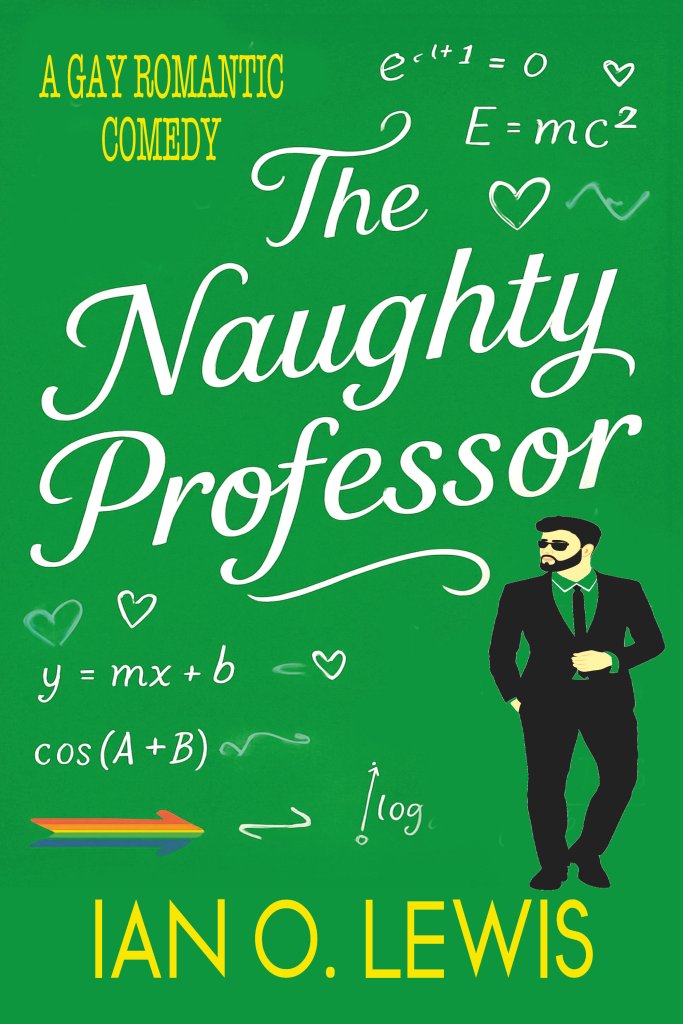




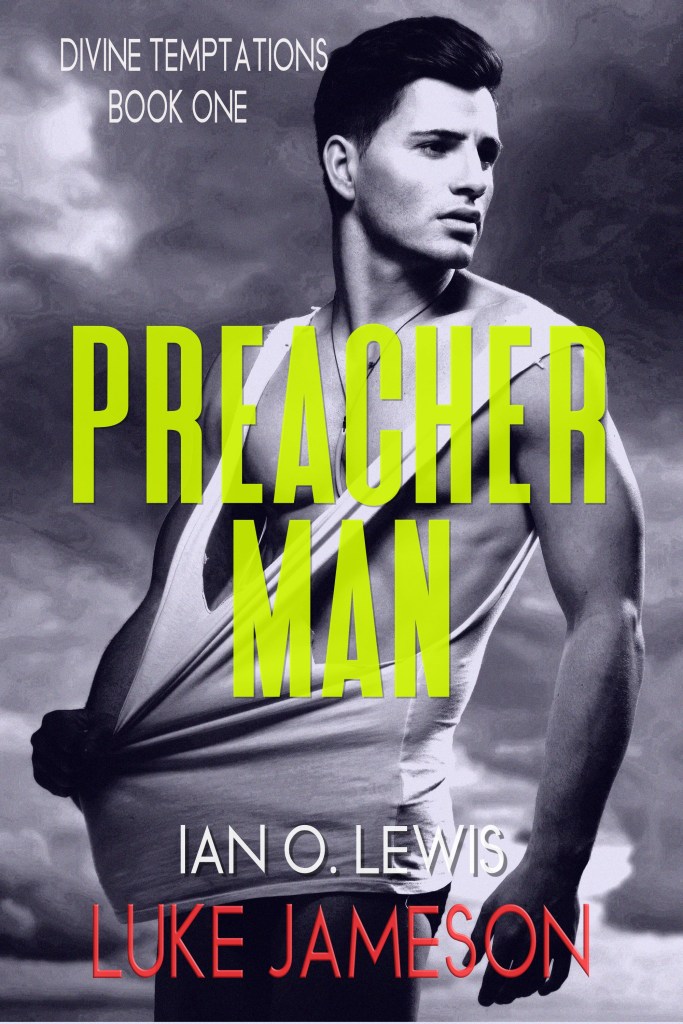

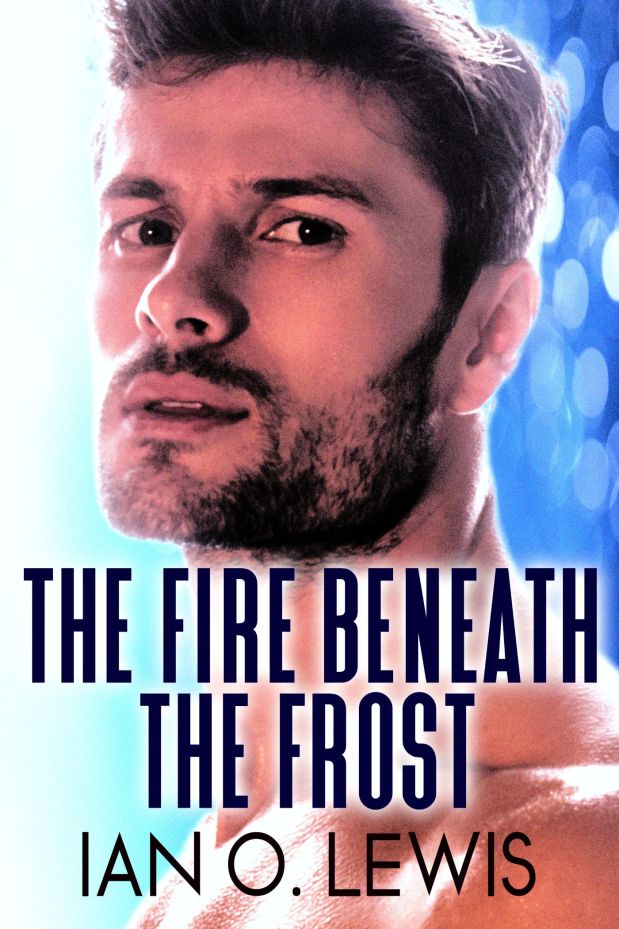
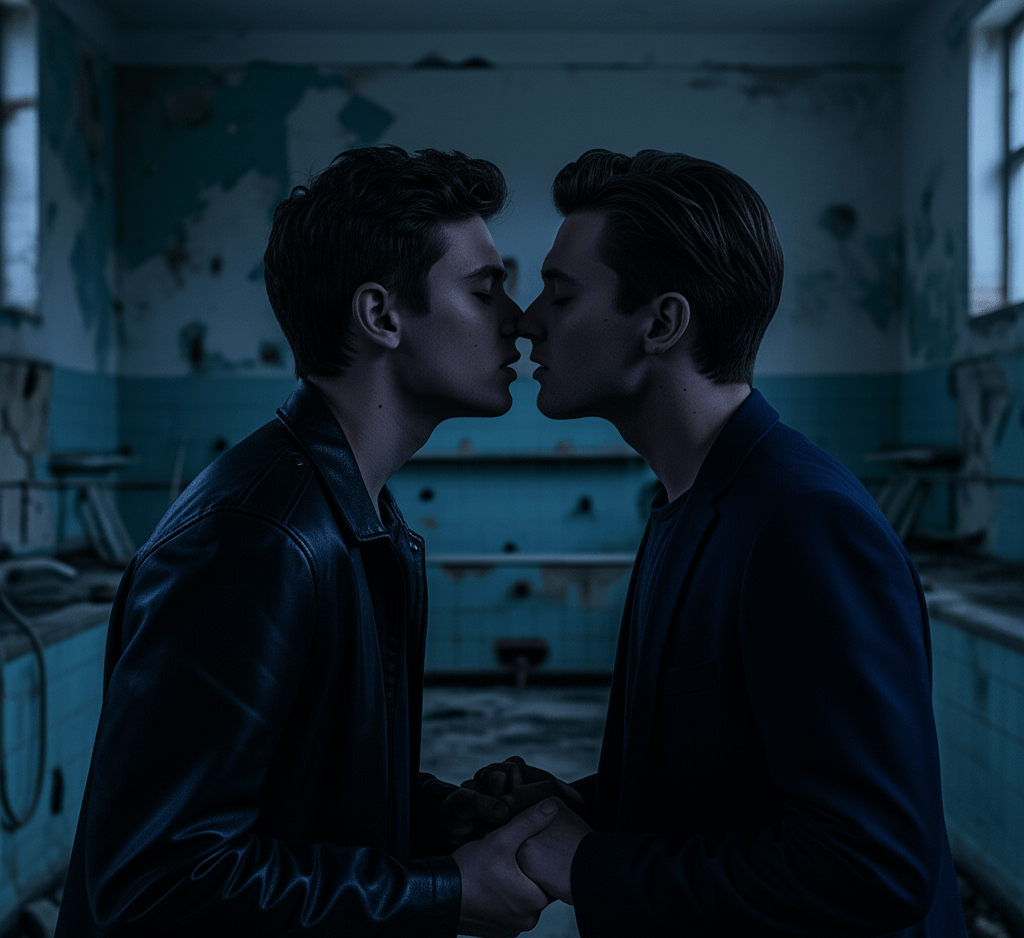
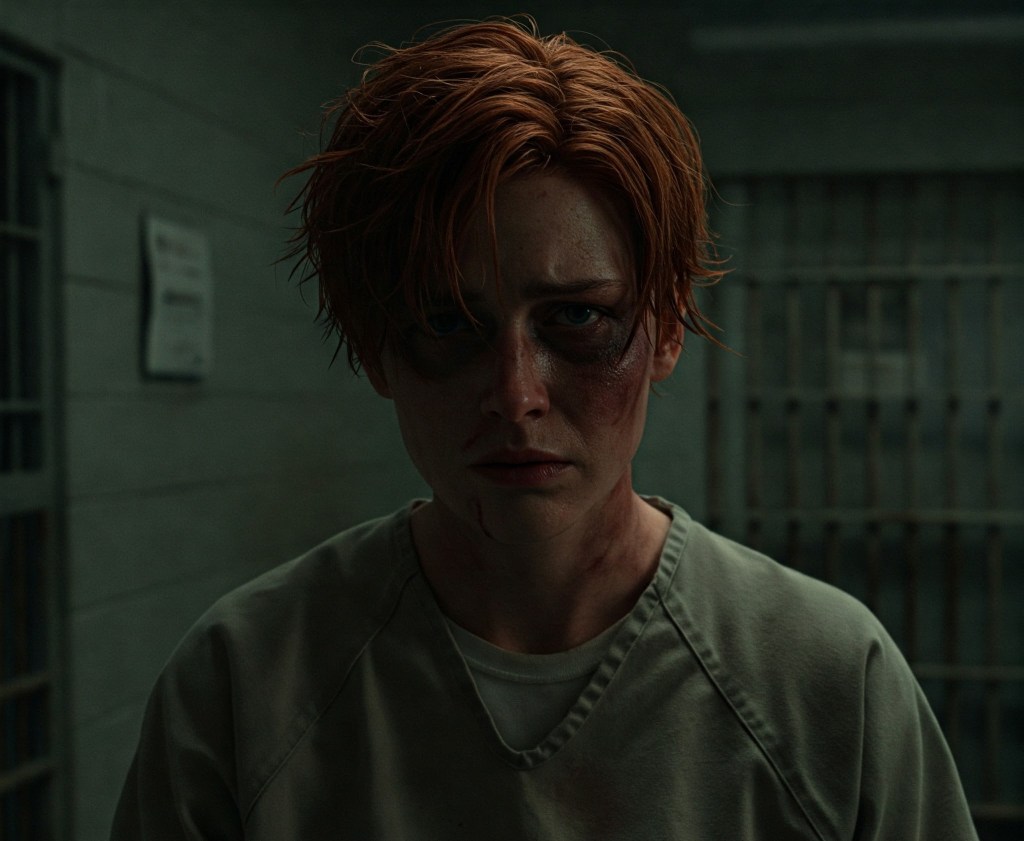
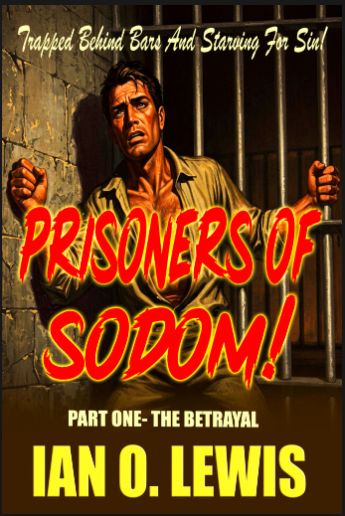

 Ian O. Lewis and Luke Jameson