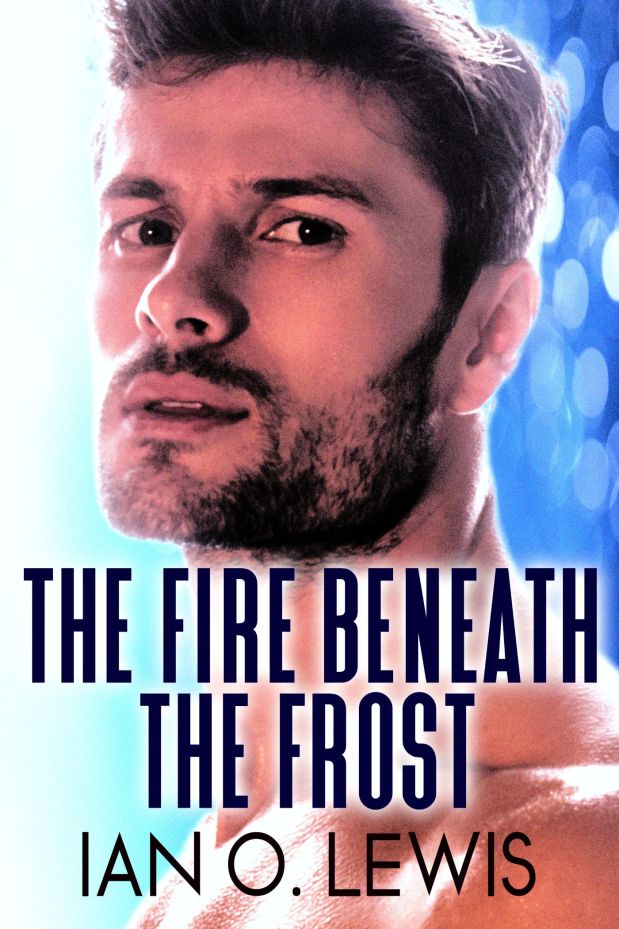
There’s something radical about writing queer romance in a world that doesn’t want it to exist. That’s especially true when the world in question is the crumbling Soviet Union, and the lovers are two men who can barely speak the truth out loud, much less live it.
In The Fire Beneath the Frost, I tell the story of Dimitri and Petyr, two factory workers in late-Soviet Leningrad who fall in love under the grinding weight of silence, shame, and survival. They work side by side producing endless rows of scratchy green wool blankets—function over comfort, just like everything else in their lives. And yet, amid the roar of the looms and the stink of machine oil, something tender takes root. Something dangerous. Something warm.
And then they touch.

Writing high-heat romance in this kind of setting isn’t just a challenge—it’s a statement. These aren’t just sex scenes. They’re acts of defiance. They’re love letters in code. They’re the only time Dimitri and Petyr can fully be themselves in a world that insists they don’t exist.
Queer sex in fiction—especially historical fiction—is often a risky proposition. Too many stories fall into tragedy, where sex becomes a symbol of downfall or shame. But I wanted to do something different in TFBTF. I wanted their intimacy to be a lifeline. A place where they could fall apart and be whole at the same time. Yes, it’s erotic. Yes, it’s explicit. But above all, it’s about survival. Emotional survival. Identity survival. Love, scraped raw and held close like contraband.
There’s one scene I keep coming back to as I write. Something terrible has happened—something Dimitri couldn’t control. And Petyr, understanding exactly what kind of pain Dimitri is carrying, offers himself up. “Take it out on me.” It’s not a simple line. It’s a confession, a dare, and a door flung wide. What follows is sex that teeters on the edge of violence and collapses into safety. It’s beautiful. It’s terrifying. It’s not what they’re supposed to have, but it’s what they do have—and it’s theirs.
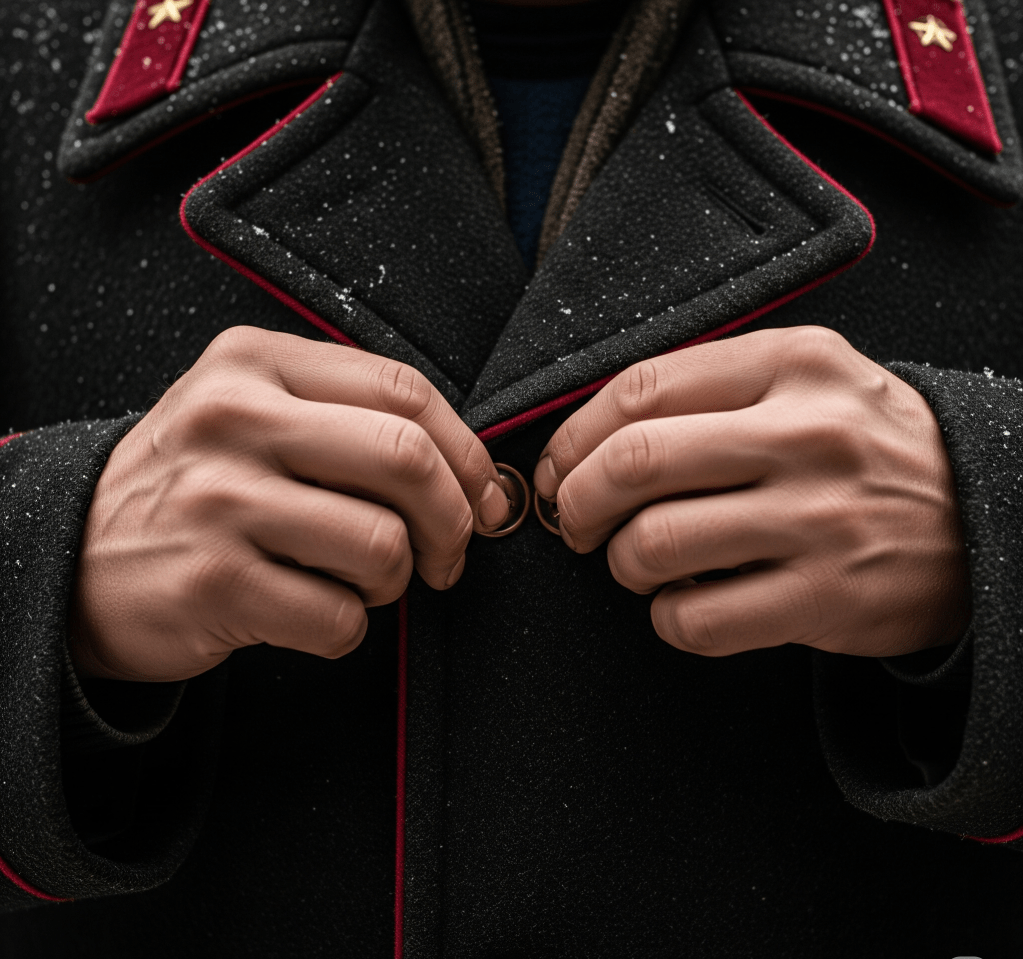
Writing these moments isn’t just about heat for heat’s sake. It’s about showing that queer people have always found ways to express love and desire, even when the world is cold, repressive, and watching. It’s about saying that we’ve always been here, burning quietly, even when history tried to bury us under wool and silence.
If that kind of love story speaks to you—if you’ve ever longed for queer romance that aches, that fights, that burns hot against the cold—then I invite you to meet Dimitri and Petyr.
You can preorder your copy of The Fire Beneath the Frost now from your favorite online bookstore. Trust me: their love might be forbidden, but once you feel the heat, you won’t forget it.