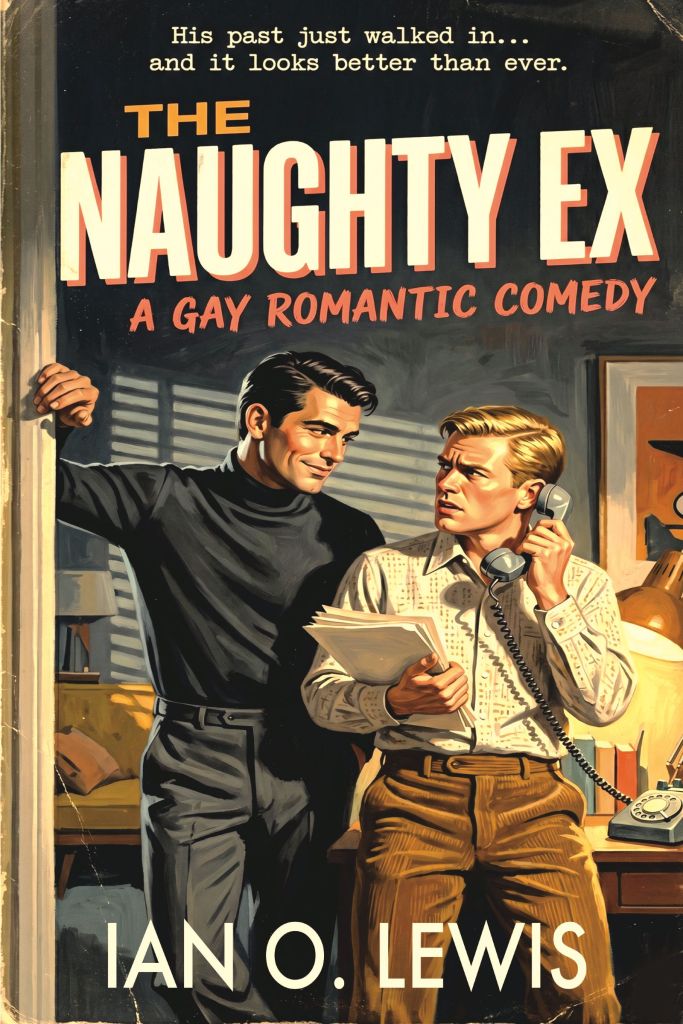
Every book starts with a spark, but the inspiration for my upcoming romance, The Naughty Ex, came from a rather unexpected place: a historical novel set in early 20th-century Washington and Los Angeles.
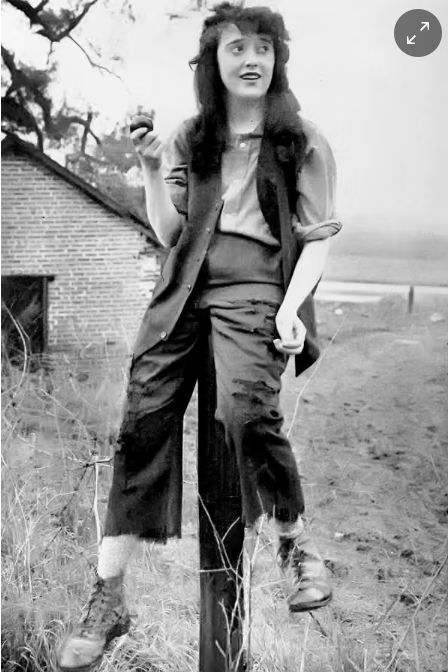
While reading Gore Vidal’s Hollywood, I came across a historical figure who completely stole every scene she appeared in: silent film legend Mabel Normand.
Who Was Mabel Normand?
If you aren’t familiar with early cinematic history, Mabel Normand was an absolute force of nature. In the 1910s and 1920s, she was one of silent film’s greatest pioneers—an actress, director, writer, and producer who helped build the foundations of slapstick screen comedy.
She starred alongside Charlie Chaplin and Roscoe “Fatty” Arbuckle at Keystone Studios, had her own production studio named after her, and was credited with throwing the very first filmed pie in the face. Beyond her comedy, she was famous for her vibrant, wildly energetic, and inherently chaotic personality.
Naturally, after reading about her, I was fascinated. I kept asking myself: How can I take that infectious, high-octane Hollywood energy and channel it into a contemporary romance?
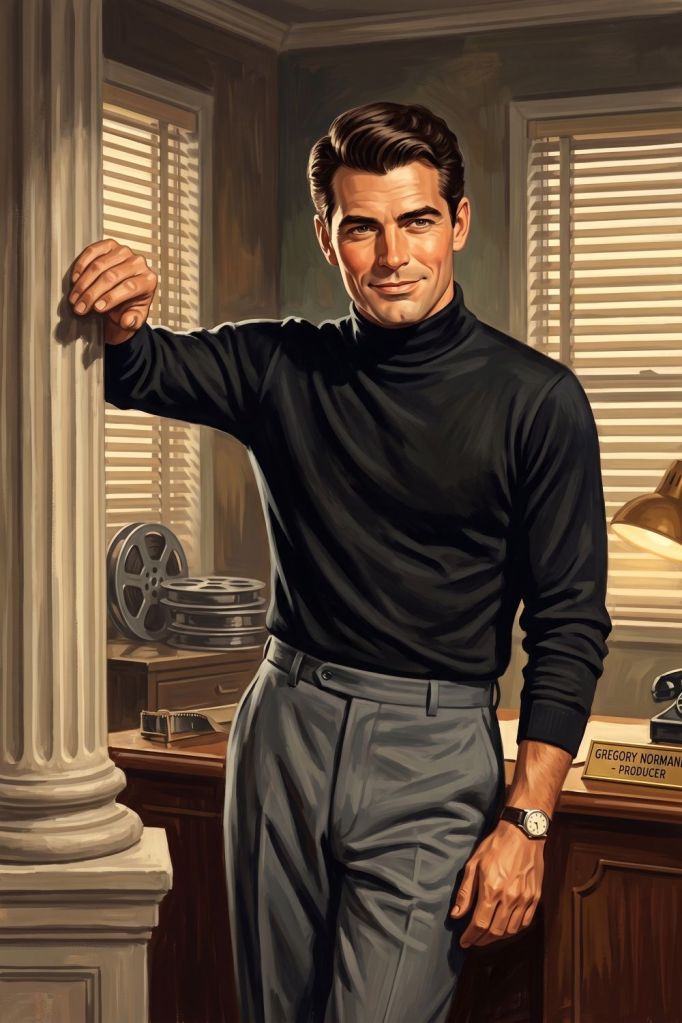
Enter Gregory Normand
That was the lightbulb moment. What if I created a character who inherited all of Mabel’s wild theatrical energy—her descendant, modern-day film producer Gregory Normand?
Now, to be clear: Gregory spared himself the notorious real-life tragedies of early Hollywood (no mysterious deaths or early 1920s vice scandals follow him around). But when it comes to raw, unfiltered, dramatic spectacle? Gregory is 100% Mabel’s heir.
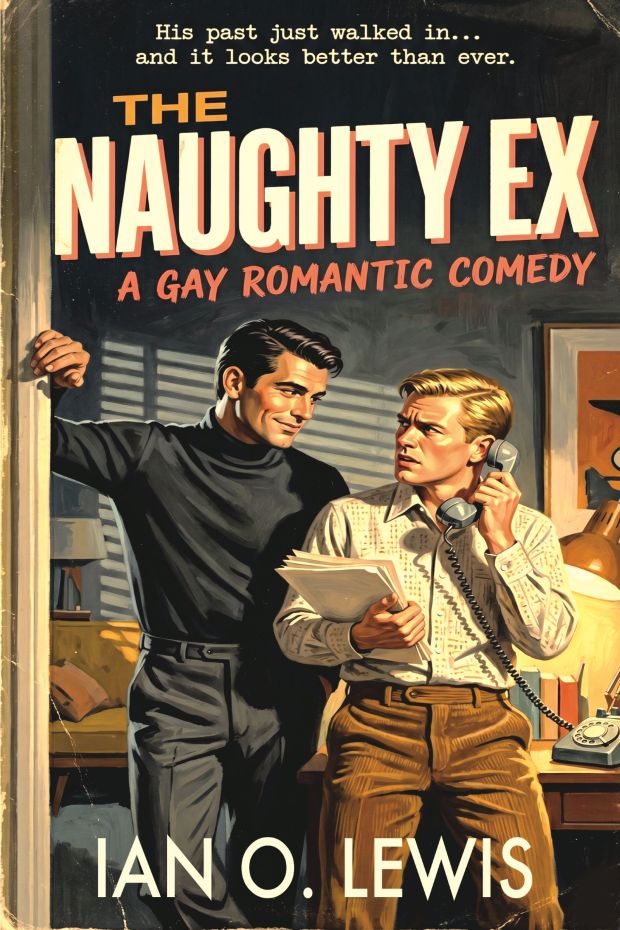
In The Naughty Ex, Gregory is madly, hopelessly in love with his ex, Blaine.
There’s just one tiny problem: Gregory is virtually incapable of sitting down like a reasonable adult and stating his feelings out loud.
Where a normal person might send a text saying, “I miss you, can we talk?” Gregory instead orchestrates elaborate, over-the-top, cinematic productions designed to draw Blaine back into his orbit. Every attempt at reconciliation turns into a sprawling masterpiece of utter chaos—because why have a simple heart-to-heart when you can stage a dramatic spectacle instead?
Ready for the Chaos?
Watching Gregory maneuver, scheme, and grandstand his way back into Blaine’s life was some of the most fun I’ve ever had writing a character. Beneath all the grand gestures and Hollywood flair, The Naughty Ex is ultimately a story about two people learning how to truly communicate—even if one of them has to be dragged kicking and screaming away from the director’s chair to do it.
The Naughty Ex is available for preorder now! Lock in your copy today so it lands on your e-reader the second it goes live. It’s available at all major online bookstores for the low preorder price of 3.99. On release day, October 15, 2026 the price goes up to 4.99. Click here to reserve your copy today from your favorite online retailer!
The bartender at the Hale Nui Yacht Club, a handsome older man named Kimo, knew my drink, which was either a comfort or a diagnosis, depending on how generous I was feeling about the state of my life. That afternoon I wasn’t feeling generous at all, so I decided it was a diagnosis and let him pour it anyway.
“The usual, Mr. Normand?”
“If you have to ask, we’ve both failed.”
He smiled the way people smile at a man they’ve decided is charming, because the alternative — that he is simply always here — is too sad to sit with. My usual is a Martini with three olives, because two is a snack and one is a tragedy. He set it down on a napkin embossed with the club’s little gold anchor, and I turned the glass a quarter-turn so the olives faced me, the way my ancestor, silent film legend Mabel Normand, supposedly turned every mirror in every room she entered so she could catch herself being brilliant.
That’s a lie, by the way. Nobody knows if Mabel did that. But it’s the kind of thing that should be true about her, and in my family we’ve never let the absence of evidence get between us and a good story. It’s practically the family crest. A star, a camera, and a caption that isn’t quite accurate.
I turned the ring, too, without meaning to — the pearl-and-opal thing that had been on the fourth finger of my right hand since I was nineteen, when my grandmother pressed it there and said, you’re the last one who’ll know what to do with it. She had never once asked me about girls. At nineteen I took that for tact. Around thirty I understood it had been permission.
Opal catches the light in colors it has no business containing. Green, then a sudden bruised violet, then a fire that looks like it’s coming from somewhere under the stone rather than off the surface of it. Opals are thought to bring bad luck, the superstitious say. I’ve never been superstitious. But I have been unlucky, which is a different thing and requires no belief system whatsoever.
The marina spread out past the veranda in that obscene Pacific blue, a hundred million dollars of other people’s boats bobbing in the kind of sunlight they put on postcards to make the mainland feel bad about itself. Somewhere out there among them was mine — the Second Take, forty-two feet of teak and white sails, the only major purchase I’d made in two years and the only one that made sense. A boat is a house you can flee in. I’d been fleeing in it since the divorce. Slowly. In circles, mostly. You’d be amazed how far you can run without arriving anywhere.
“You’re Gregory Normand.”
I didn’t turn right away. In my experience, the correct response to being identified is to make the identifier work a little for it. Let the sentence hang, and they’ll wonder if they’ve made a mistake.
Then I turned, and — oh. He was worth turning for.
Young. That specific kind of young that hasn’t yet been disappointed by anything. Twenty-four, maybe twenty-five, in a shirt the color of the inside of a shell, open one button past what the club would have preferred. He had the sort of jaw that gets a boy flown to exotic places, and he had eyes he’d clearly been told were his best feature often enough to believe it. He’d taken the stool beside mine without asking, which I respected. And he was looking at me the way people used to look at me all the time and had, lately, stopped.
Here is the part I want on the record, because it matters later. I catalogued all of it — the shirt, the shoulders, the good faithless smile — the way you’d note a piece of set dressing that photographs well.
And I felt absolutely nothing.
“I might be,” I said. “Depends who’s asking and whether they’re litigious.”
He laughed — too easily, the laugh of a person auditioning. “I’m Dashiell.”
“Of course you are.”
Nobody is born Dashiell. Somebody becomes Dashiell, on a train platform, at seventeen, when they decide the name they were issued won’t carry them where they’re going. I knew the maneuver intimately. My own mother had done it, and her father, and somewhere back at the headwaters of all of us a girl named Mabel Fortescott had done it too. She filed the sharp corners off herself until she was smooth enough to slide into a nickelodeon and out the other side a legend. We are a family of self-inventions. It’s the family business, really, more than the movies. The movies were just where we kept the receipts.
“People call me Dash.”
“People would.”
“I know who you are,” Dash said, leaning in, conspiratorial, delighted with himself. “You produced The Darkest Hour.”
And there it was — the little internal lurch, the phantom limb. Made. Past tense. Eight years past, to be exact. Somewhere in a house in the hills there was a gold statuette I’d put into Lance Hayworth’s enormous hands on a stage in front of forty million people, and somewhere in a different house there was a man I’d handed considerably more to and gotten considerably less back. Both of those handings had happened in the same golden, ruinous year.
“I did,” I said. “In a previous life.”
“I cried.” He said it like it was a gift. “At the end. When he stands in the doorway and he doesn’t go in.”
“Everyone cries at that. That’s why we shot it eleven times.” I sipped the Martini. “The trick is you make them wait for the door. You make them so sure he’s going to walk through it that when he doesn’t, the not-walking does all the work. Withhold the thing they want and they’ll build the whole cathedral themselves, out of wanting.”
I heard myself say it and thought, distantly, the way you notice a draft: you used to believe that about people, not just about audiences. But the thought didn’t land anywhere. Nothing had landed anywhere in a while. That was the point of the boat.
Dash was still talking. He was a model — I’d have bet the Second Take on it before he said it — and he was here shooting something involving, as far as I could follow, three watches and a volcano. Then he reached into a canvas tote the size of a life raft and produced, with the flourish of a boy who has learned that objects can be personality-adjacent, a magazine.
“This is me,” he said. “It’s in Town and Country, which my agent says is a big deal. Is it a big deal?”
“It’s a big deal to the kind of people who need to be told Town and Country is a big deal,” I said, which was cruel. He didn’t catch it, which made it crueler. I took the magazine anyway, because a beautiful man was handing me something, and two years of drifting around the globe in a boat hadn’t yet killed the part of me that reaches for what’s offered. They’ll bury me and my hand will still be coming up through the dirt for something shiny.
He flipped it open across my forearm to a spread of himself on a horse he was plainly afraid of, and while he narrated I made all the right sounds. The opal on my finger threw a little violet spark across the glossy page, and I turned it — turned toward the front of the magazine, idly, past the perfume strips, the watches, the people photographed being effortless at parties. That’s where they’ve always kept the announcements. Weddings. Debuts. The small formal notices that a certain kind of American family still believes constitute a public record of joy.
I don’t know why I turned there. I’d like to tell you it was instinct, a producer’s nose for the scene, some subterranean part of me that already knew. But honestly I think I was just bored, and turning pages is what my hands do when the rest of me has left the room.
And then I saw the picture, and it felt like a fist slamming into my gut.
There’s a particular photograph they use for these. You’d know it if you saw it. The couple, angled slightly toward each other, that lighting that makes everyone look like they’ve been forgiven for something. And I knew the man on the left the way you know your own name shouted across a crowded room. I knew the specific architecture of that jaw. I knew the way he held his shoulders — squared, faintly braced, like a man about to object to something.
My Blaine.
Except the caption underneath said he wasn’t. It said, in that fussy little serif they’ve been using since before Mabel was born:
Blaine Solstice Cauthorne and Steven Ellis Bland are pleased to announce their marriage.
Then a date.
Then a place I could have drawn from memory with my eyes shut. A compound in the redwoods full of incense and tofu and the most expensive chakra enlightenment money can buy.
Twenty years ago that serif would not have printed two men’s names without the magazine losing four hundred subscriptions in Connecticut. I’d like to report that I felt something civic about the progress. What I felt was that the world had finally gotten around to being decent specifically so it could do this to me.
The bar went quiet.
Not actually. Dash was still talking. I could see his mouth moving, could see the horse, the watch, the whole shimmering apparatus of him. But the sound had dropped out of the world the way it drops out right before the music comes back up.
I’ve cut a hundred scenes on that exact beat.
Steven Ellis Bland.
I didn’t know him. He had the unbelievable audacity to be marrying my ex-husband anyway.
For two years I’d been avoiding Blaine, and our life together, letting the whole Bay Area go soft and out of focus at the edge of my attention, because looking at it directly cost more than I had.
And while I wasn’t looking, somebody named Steven Ellis Bland walked into the frame and stood exactly where I used to stand.
And Blaine let him.
Blaine, who never let anybody take anything. Blaine, who once made a studio head cry over a misplaced comma. Blaine, who wouldn’t let a valet park the car and wouldn’t, for six years, let me finish an apology.
That Blaine had stood next to Steven Ellis Bland and held still for a stranger with a light meter until they came out looking like an actual couple.
“Mr. Normand?”
Kimo’s voice, very quiet, from about six inches away.
I looked down. I’d knocked over the Martini. I don’t remember doing it. There was gin all over the bar and down my sleeve and one olive on the floor, rolling in a slow circle.
“I’m fine,” I said, in a register I have not used since puberty.
“You’ve gone cherry red.”
“I’m fine, Kimo.”
He didn’t argue. He just laid a bar towel over the gin and stood there being solid, which is the single most useful thing anybody did for me that entire day.
“Oh my God, are you okay?” Dash had his hand on my arm. “You look like you saw a ghost.”
“Worse,” I said. “I saw my ex-husband’s wedding announcement.”
Then I did the thing I have spent every day since lying about the motive for.
I tore the page out.
I’d like to tell you it was clean. One long professional pull along the spine, the way you tear the bad scene out of a good script. It was not clean. The paper ripped diagonally, and then the rest of it wouldn’t come, so I had to grip the magazine between my knees and use both hands while a strange low whining noise came out of me.
“Hey!” Dash said. “Hey — that’s mine, that’s my first spread—”
“I’ll buy you the entire print run.”
“That’s not—”
“I’ll buy you the magazine, Dash. The company. I’ll buy the company.” I folded the page into quarters, badly, and put it inside my jacket. My hands weren’t steady. I noticed that with a kind of clinical surprise, the way you’d notice an actor flubbing a line. “How much is Town and Country?”
“I don’t think it’s for sale—”
“Everything’s for sale, that’s the whole—” I stopped and made myself breathe. “I’m sorry. Dash. I’m being insane. I’m going to stop, I promise.”
I put money on the bar. Too much money, the way you do when you’re leaving somewhere you’ll never come back to and you’d rather be remembered as generous than deranged.
“Kimo. It has been a genuine pleasure being diagnosed here.”
“Mr. Normand.” He was still holding the towel. “Whatever it is. Go slow with it.”
“Absolutely not.”
“That’s what I figured.”
I got two steps toward the door and then turned back, because Dash was sitting there with his ruined magazine in his lap looking like a kid whose bike had been taken, and I didn’t want to leave him that way.
“Dashiell.”
He looked up.
“Never let anybody tell you Town and Country is a big deal.” I tapped the cover, gently, once. “Go make something they have to put you in. Something brilliant, that everybody loves. Then you won’t have to carry the magazine around. The magazine will carry you.”
He blinked at me. “That’s really good advice.”
“It’s the only advice I’ve got. I’m giving it to you free, which for a Normand is basically a religious experience.”
Then I walked out into that postcard light with my ex-husband’s wedding announcement folded over my heart like a subpoena.
By the time I hit the dock I was producing my next feature, called How To Win Back My Ex.
I couldn’t help it. It’s what happens. Other people feel a feeling and then decide what to do about it. I decide what to do at enormous speed and let the feeling catch up with me later.
“I need a fucking list,” I muttered, taking the ramp two boards at a time. The list assembled itself. It always does.
One. Sell the boat. Today. Take whatever the first idiot offers.
Two. Get on a plane.
Three. Get to that compound.
Four. Find a reason to be there that Blaine’s parents can’t say no to.
Five. Do not, under any circumstances, examine item four too closely.
I stood on the dock and looked at the Second Take sitting there in all that blue water, and I understood that I was about to blow up the only two years of peace I’d managed since the divorce, and that I was going to do it anyway. Somewhere over the ocean the whole thing would catch up with me and sit down in the seat beside mine.
I turned the opal ring on my finger. Once. For luck I don’t believe in.
Then I went to find my phone and ruin everything I had left.
Darlings, gather around. The sun is currently beating down on Guadalajara, and after my two-hour morning walk, I am thoroughly revived by a dangerously cold glass of Peñafiel splashed with Zuko tamarindo. I was just sitting down to a plate of fresh Maradol papaya when the most delicious, devastating piece of Hollywood gossip landed right on my desk.
If you thought the golden age of scandal died with the studio system, you clearly haven’t met Gregory Normand.
Yes, those Normands.
As the descendant of the notorious silent film star Mabel Normand, Gregory comes by his flair for the dramatic honestly. But while dear old Mabel relied on slapstick and a pesky little cocaine habit, Gregory is simply chaos incarnate. He is a man who treats a room like a soundstage and emotions like a script doctor—cutting, rewriting, and producing his way out of actually feeling a single thing.
When Gregory opened a magazine and saw his ex-husband’s wedding announcement, he didn’t just feel sad. He sold his 42-foot yacht to a broker named Chip in a matter of hours, flew back to California, and hired a struggling improv actor living in a hatchback to play an exclusive spiritual guru named “Zephyr” so he could infiltrate the wedding at a billionaire-hippie compound in Marin County.
Naturally, I had to corner the powerhouse producer to get some answers.
The Exclusive Sit-Down
Ian: Gregory, darling. Word on the street is you sold your boat the same day you saw your ex-husband’s wedding announcement. Are we feeling a little… unresolved?
Gregory: I’m feeling that the lighting in this room is aggressively hostile. Who placed that fill light? It’s giving me the bone structure of a minor Disney villain. Also, a boat is just a house you can flee in. Selling it was purely a financial decision.
Ian: You flew to California and hired a man from a black-box theater off Melrose to play a wellness guru so you could crash the wedding. That sounds like a man desperately in love.
Gregory: That sounds like a producer fixing a terrible script. Blaine is marrying a VP of a wellness app who documents his creatine gummies and films everything. The man is a human index fund. It’s a tragedy, narratively speaking. I am simply… providing a rewrite.
Ian: By crashing the wedding at the exact meadow where you two got married eight years ago?
Gregory: The location is flawless. You don’t abandon a great location just because the original production wrapped. Now, if we’re done talking about my nonexistent feelings, I need to go source some ethically crafted linen. My guru is looking a little too Bakersfield.
When you mix that level of emotional avoidance with a sudden, unavoidable collision with his past, the results are spectacularly messy. Blaine clocked the con the second Gregory walked in, but calling it out means admitting Gregory still gets to him.
Want a front-row seat to this beautiful disaster? The Naughty Ex is officially available for preorder. Secure your front-row ticket now so you don’t miss a single moment of the Hollywood-grade chaos on release day! Oh, the preorder price is only 3.99. On release day it goes up to 4.99, so reserve your book now from your favorite retailers, including Amazon, Apple Books, Kobo, Google Play, Nook, and Smashwords! Click here to preorder today.
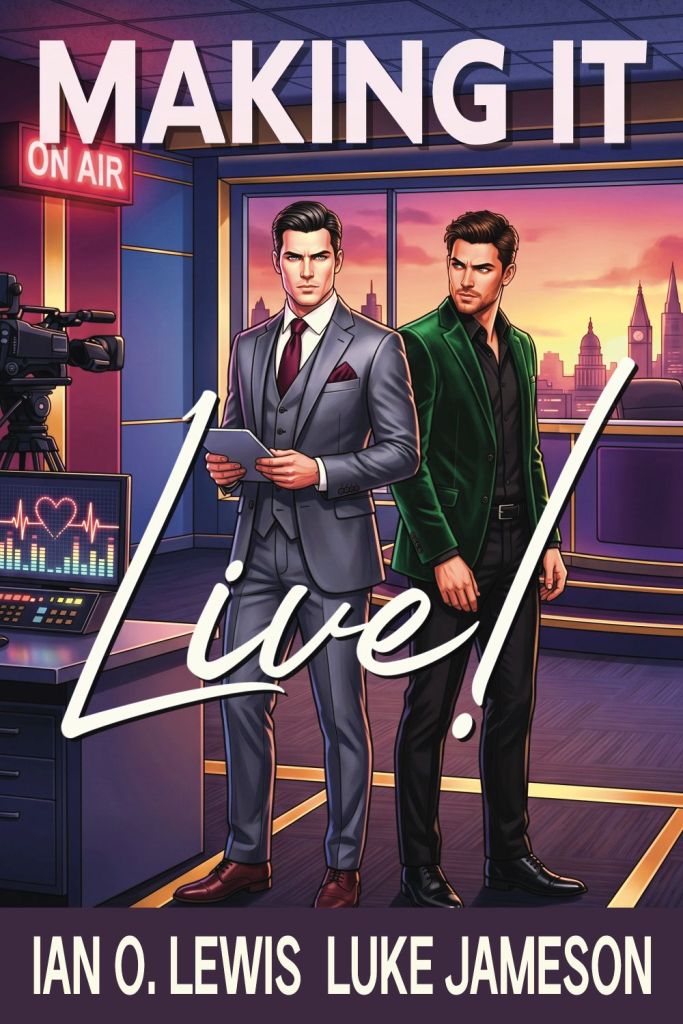
If you love your gay romance novels with a massive side of emotional tension, high stakes, and characters who are brilliant at their jobs but a total mess around each other, then my upcoming MM romance release, Making It Live!, is written just for you.
When it comes to the second-chance romance trope, authors usually have to find a way to make two exes talk after years of silence. But what happens when you don’t just force them to talk—what if you trap them in a room where millions of people are watching their every move?
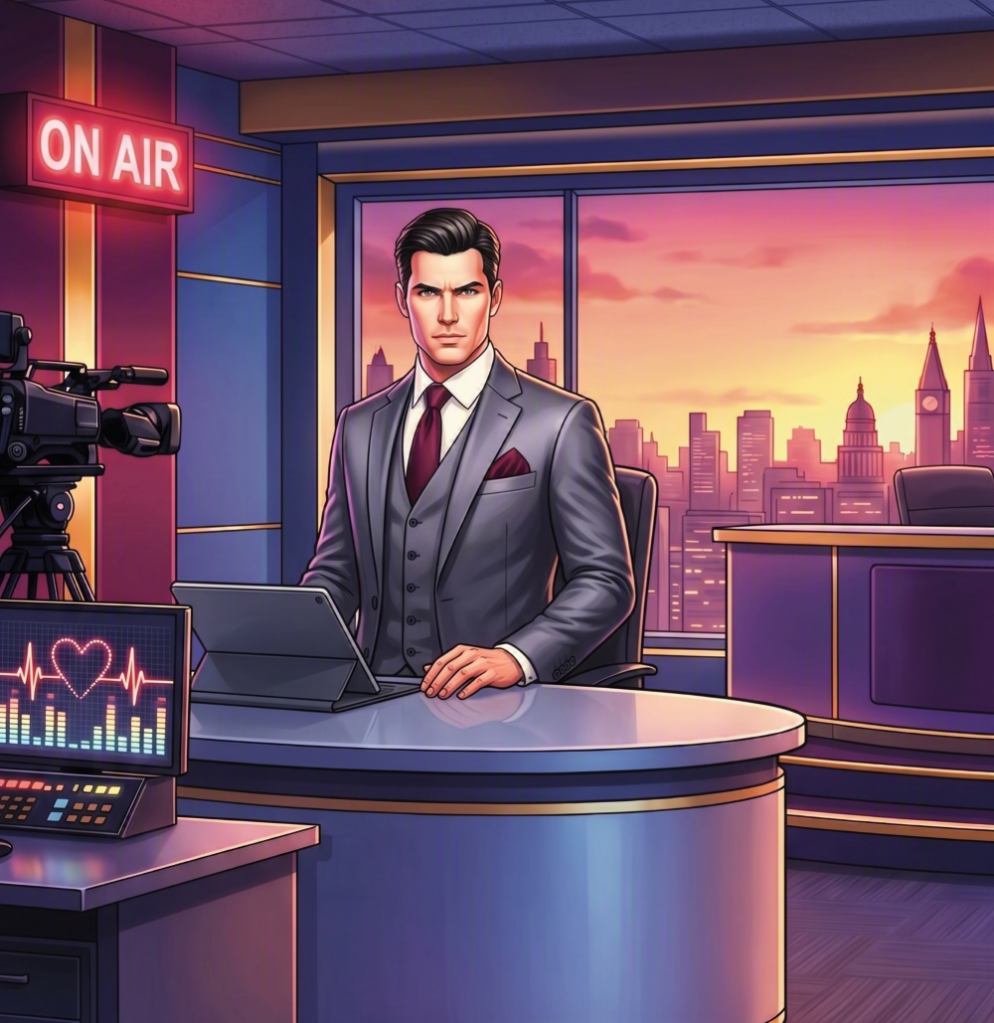
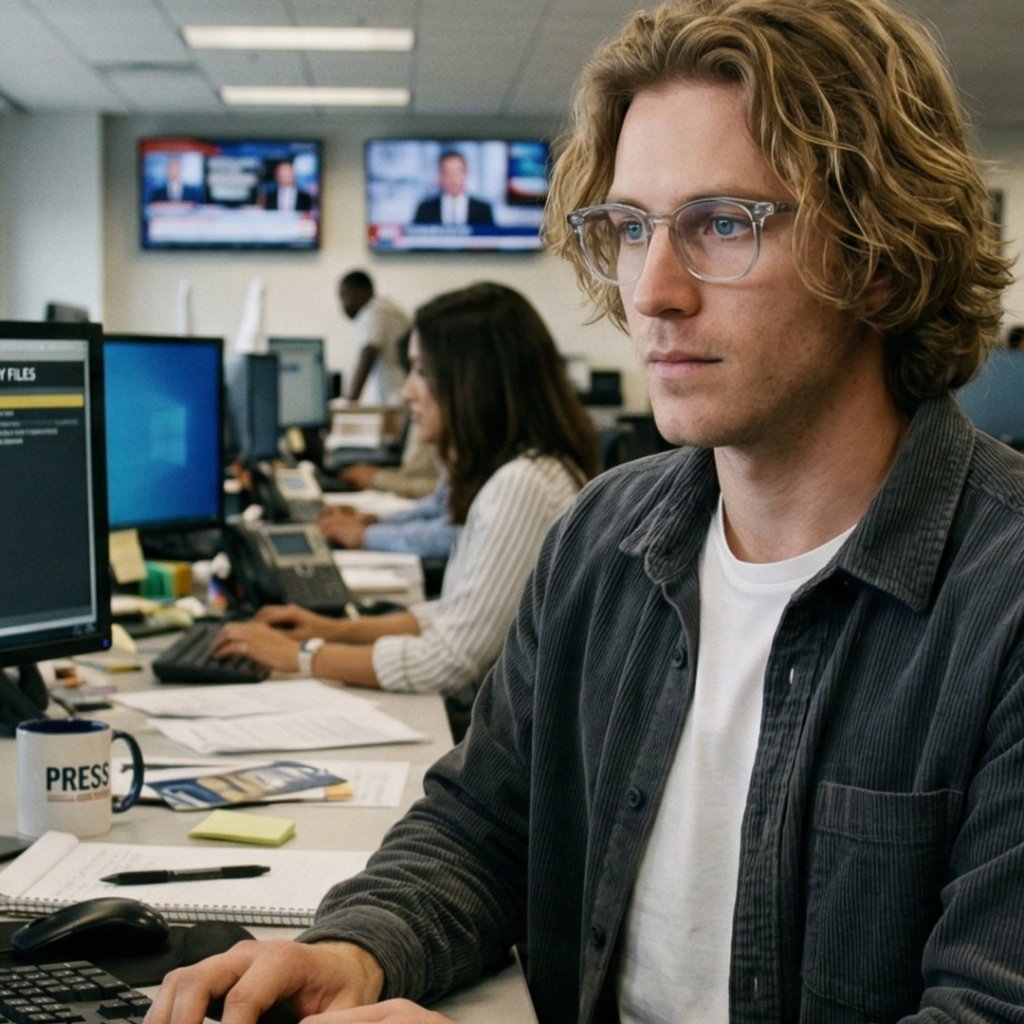
Welcome to the ultimate pressure cooker: a live, primetime television newsroom.
The Setup: 13 Years of Baggage meets a Live Control Room
In Making It Live!, star anchor Nelson Mackenzie is the face of American news—polished, impeccable, and famously unflappable. But behind his chilly, professional exterior lies a thirteen-year-old scar left by the only man he ever loved: Jimmy Goodman.
Jimmy, now a broke but brilliant Peabody Award-winning investigative journalist, is fresh out of options and forced to take a job as the Executive Producer for Nelson’s nightly broadcast. They haven’t spoken since the day Jimmy walked out with nothing but a note. Now, they have to run a major network news show together.
This isn’t just regular workplace forced proximity. This is a environment where a single mistake cost reputations, breaking news can drop at any second, and a frantic control room demands total synchronization between the man behind the glass and the man in front of the camera.
Sneak Peek: Caught on Camera Two
To give you a taste of the agonizing tension heading your way, let’s look at the exact moment the past collides with the present.
Nelson arrives at the studio, entirely unaware that his network executives have secretly hired his ex to save a fraying broadcast. He gets into his charcoal suit, reviews a messy lineup filled with filler segments he despises, and takes his place at the desk.
He does what he does best: he stares directly into the red light of the camera, completely focused on the fourteen million people watching him from their living rooms. For Nelson, the job is entirely about trust.
And then, the trap snaps shut.
The red light on Camera Two holds steady. Nelson is mid-broadcast, delivering the news flawlessly, completely locked in. He is utterly helpless to stop what happens next, because when the executive producer speaks, the sound feeds directly into the IFB earpiece snuggled inside Nelson’s ear.
Suddenly, it isn’t a nervous temporary producer in his ear. It’s Jimmy.
It’s the low, slightly gravelly voice he hasn’t heard in over a decade. The voice belonging to the man who broke him.
Behind the glass in the control room, Jimmy watches Monitor Three and sees the exact instant his voice hits Nelson’s earpiece. Nelson’s hand tightly grips the edge of the anchor desk. It’s a micro-expression—a tiny, controlled twitch that anyone else would miss, but Jimmy knows exactly what to look for.
Nelson can’t yell. He can’t storm off the set. He can’t even let his facial muscles betray a hint of shock or anger. If he flinches, millions of viewers will see it. He is forced to sit there, completely trapped, listening to his ex-boyfriend’s voice command his movements while keeping his own presentation perfectly smooth.
Why Romance Readers Love “Competence Porn” + High Angst
There is something deeply satisfying about watching two people who are absolute titans in their professional fields lose all composure when they look at each other. Jimmy’s tight, flawless, no-nonsense news lineups throw Nelson completely off balance, stripping away the star anchor’s rigid need for control.
Every cue given over the earpiece becomes a battleground of buried attraction, old resentment, and undeniable chemistry.
Making It Live! delivers everything you want in an angsty, workplace MM romance:
Forced Proximity: They are quite literally wired into each other’s ears for hours every night.
Second-Chance Yearning: Thirteen years of unsaid words bubbling just under the surface of professional jargon.
High Stakes: Managing breaking news events while trying not to let their past destroy the broadcast.
Add Making It Live! to Your Reading List
Mark your calendars! Making It Live! officially releases on July 23. The good news is that you don’t have to wait until launch day to secure your ticket to the control room—the book is available for pre-order right now at all major online bookstores, including Amazon, Apple Books, Kobo, Google Play, and Nook. To make things incredibly easy, you can find the direct link to your favorite digital storefront by visiting the Universal Book Link. Pre-order your copy today to lock in the low preorder price of 3.99. The price goes up to 4.99 on release day.
Listen. I have news. Big news. The kind of news that makes you want to call your best friend, except your best friend is currently fake-commuting to a job he doesn’t have, so he’s a little busy.
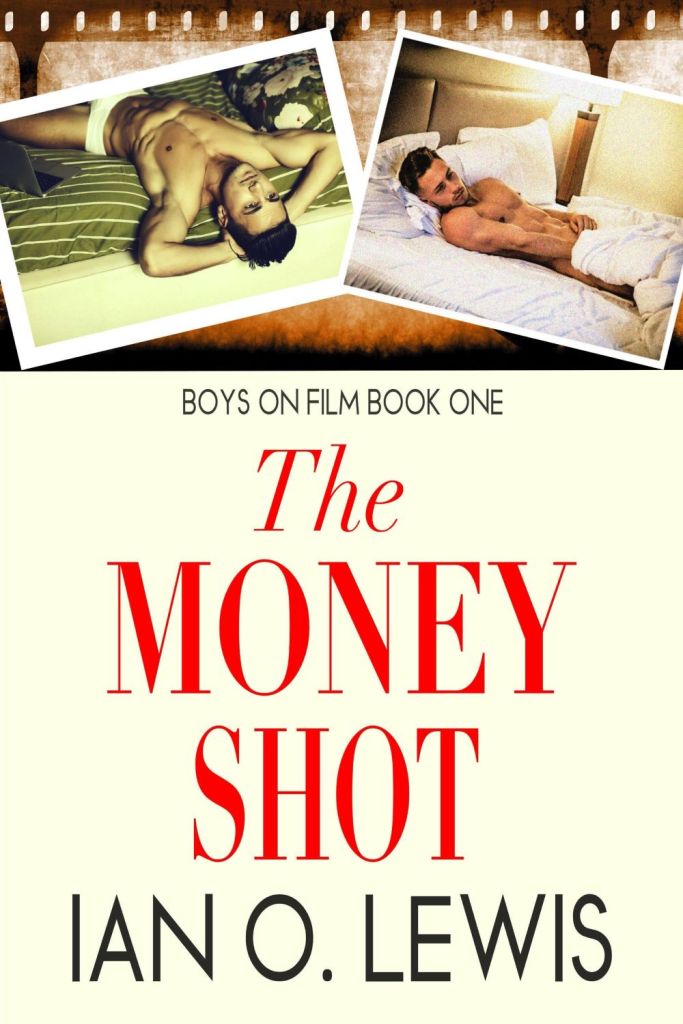
The Boys on Film series has officially left Kindle Unlimited and is now available at ALL the major bookstores — plus my very own direct store, where I would love you forever if you shopped. Like, Lola-just-gave-you-a-perfect-wax levels of love. (More on Lola in a second.)
Here’s what’s waiting for you.
📽️ The Money Shot (Boys on Film, Book 1)
Friends to Lovers | Forced Proximity | MM Romantic Comedy | Explicit
New York was supposed to be Liam’s fresh start. Instead, his roommate got arrested, his job vanished, and he’s been fake-commuting downtown like a functional adult. He is not a functional adult.
Desperate and creative, Liam signs up for an adult content site. The plan: make some cash, tell absolutely no one, and survive. The problem: Jack — his best friend and human lie detector — found out. And then, in the most chaotic act of solidarity in the history of friendship, Jack joined him.
It’s strictly professional. Obviously. Except it doesn’t feel professional. Not even a little.
The Money Shot is the book that started it all — a hilarious, hot, deeply chaotic love story about two best friends who accidentally film their way into feelings.
Grumpy/Sunshine | Workplace Romance | Second Chance | MM Romantic Comedy | Explicit
I got out of jail. That’s the good news. The bad news is that my former roommates — yes, the ones whose apartment I accidentally turned into a crime scene — now run a successful adult content company, and they’ve got a job opening.
In front of the camera.
My first day on set is not the sexy experience I was hoping for. But then I meet Nico Steele: quick-witted, infuriatingly hot, and deeply committed to making me blush at every opportunity. Nico is cocky. Nico is relentless. Nico might be my second chance at everything.
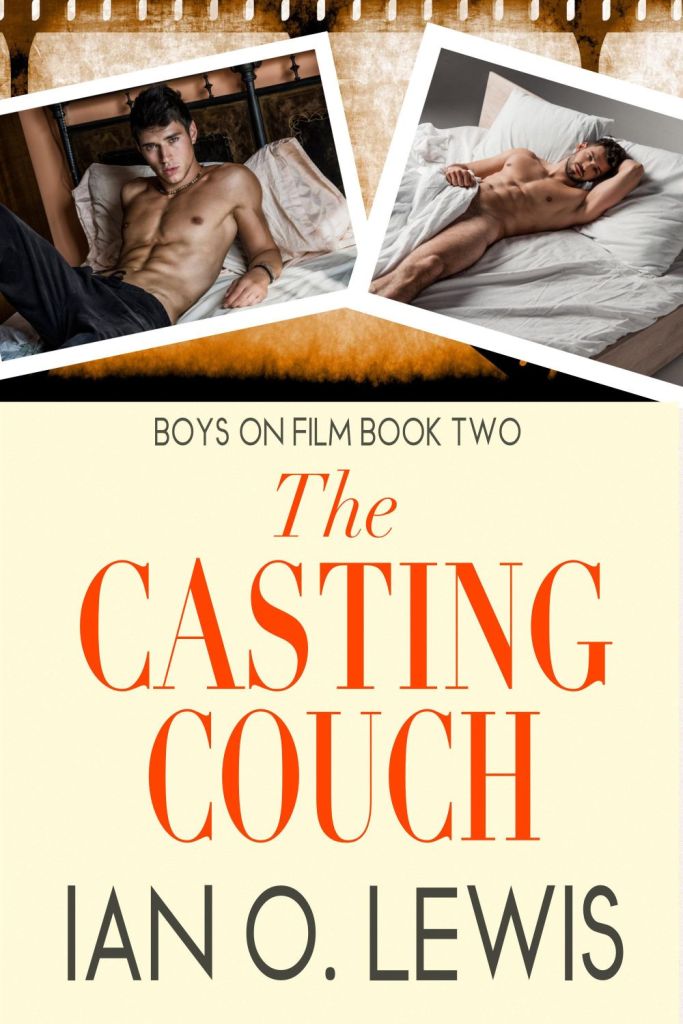
The Casting Couch brings back all your favorite faces from Book 1 — including the incomparable Tessa Martinez and her ever-loyal sidekick Moira, the legendary Laura (yes, that Laura — the dominatrix, mind your business), and Lola, the beautician whose waxing technique has made grown men weep and beg for mercy. She does not accept mercy requests.
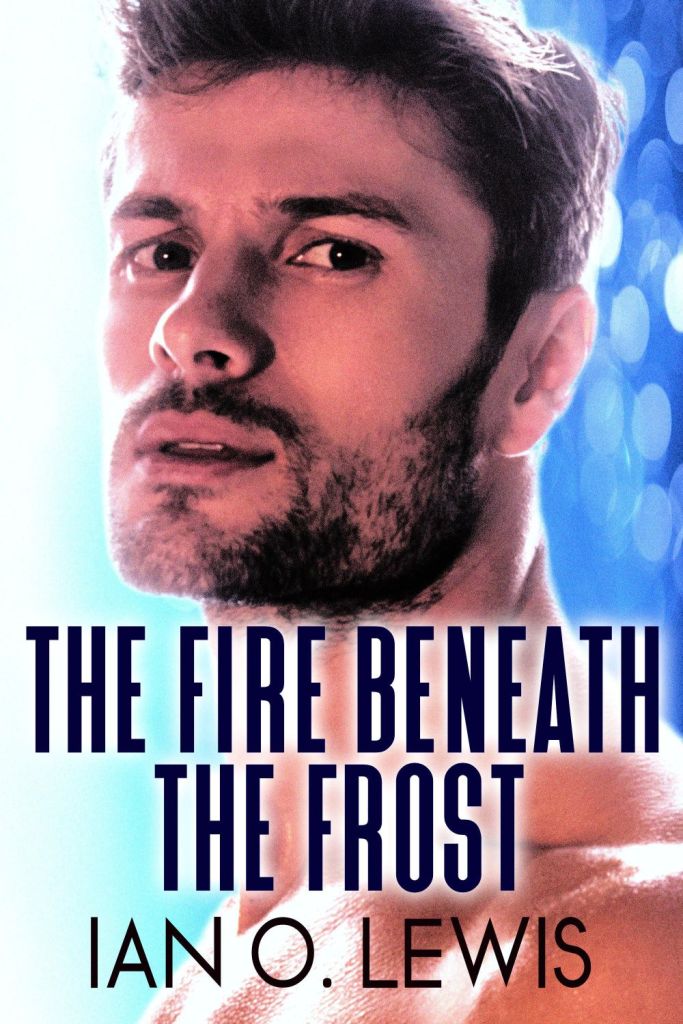
❄️ The Fire Beneath the Frost (A Boys on Film Companion Novel)
Gay Historical Romance | Soviet Union | Forbidden Love | Emotional & High-Heat
Some of you met Dimitri in the main series — the elderly man with sharp eyes, careful words, and the particular stillness of someone who has survived things he doesn’t talk about. This is his story. And it is not a comedy.
The Soviet Union is crumbling. Petyr has lived his entire life by one rule: don’t give anyone a reason to notice you. Then he meets Dimitri — all sharp edges and quiet strength, with a hunger in his gaze that neither of them can afford to name.
In a country where men like them are erased, wanting each other is reckless. Loving each other could be the end of everything.
The Fire Beneath the Frost is a deeply emotional gay historical romance set during the final days of the USSR. It’s a standalone companion novel — you don’t need to have read the main series, but if you have, this one will hit differently.
The Boys on Film series is a collection of MM romance novels and companion fiction set in and around a New York adult content company. Books 1 and 2 — The Money Shot and The Casting Couch — are explicit MM romantic comedies with high heat, sharp banter, and the kind of found family that will ruin you for other series. The Fire Beneath the Frost is a serious gay historical romance companion novel for readers who want something emotionally devastating to go with their smut.
The series features a vibrant ensemble cast, including:
Tessa Martinez — the chaotic good best friend energy the universe needs
Moira — Tessa’s ride-or-die sidekick
Laura — dominatrix, icon, no further questions
Lola — the beautician. The legend. She will wax you and she will feel nothing.
Dimitri — whose quiet presence in the comedy books becomes the heart of the companion novel
Written by Ian O. Lewis, published by Cruz Publishing.
Looking for steamy MM romance with heart, humor, and a cast of characters who will live in your head rent-free? The Boys on Film series is your next obsession — and now you can find it wherever you buy your books.
Every election cycle, the headlines run on a loop. A high-profile champion of traditional values, a politician who built a career preaching about the sanctity of the nuclear family, gets caught in a streetlight, a text thread, or a DC hotel room. The mask slips, the resignation is filed, and the internet moves on to the next downfall.
But if you want to see the real data behind the hypocrisy, you don’t look at the cable news tickers. You look at the digital grid.
It is an open secret among tech observers and journalists alike that whenever a massive, conservative political or religious gathering rolls into a city, the local Grindr grid immediately grinds to an absolute halt under the weight of thousands of new, localized, anonymous users. The hypocrisy isn’t just an anomaly—it’s an entire ecosystem powered by a massive, multi-million dollar corporate machine.
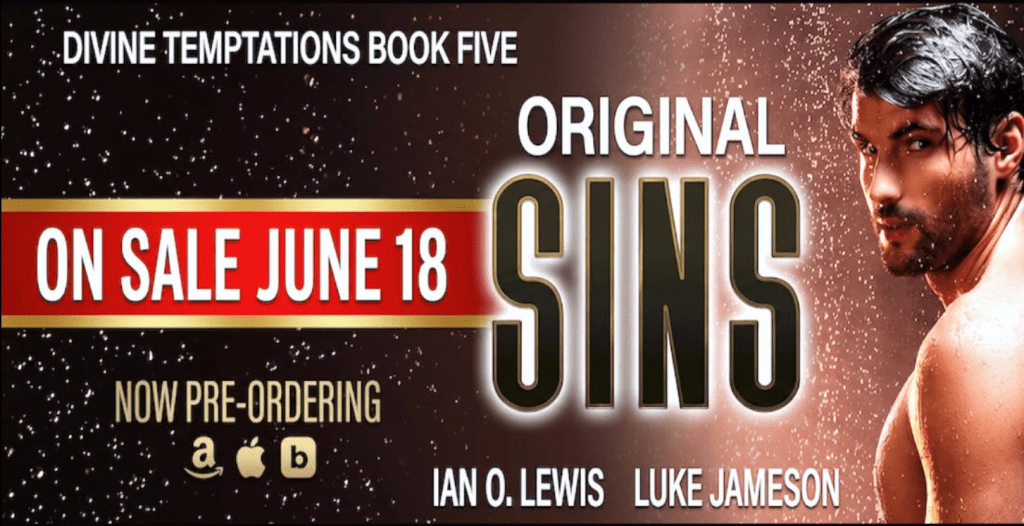
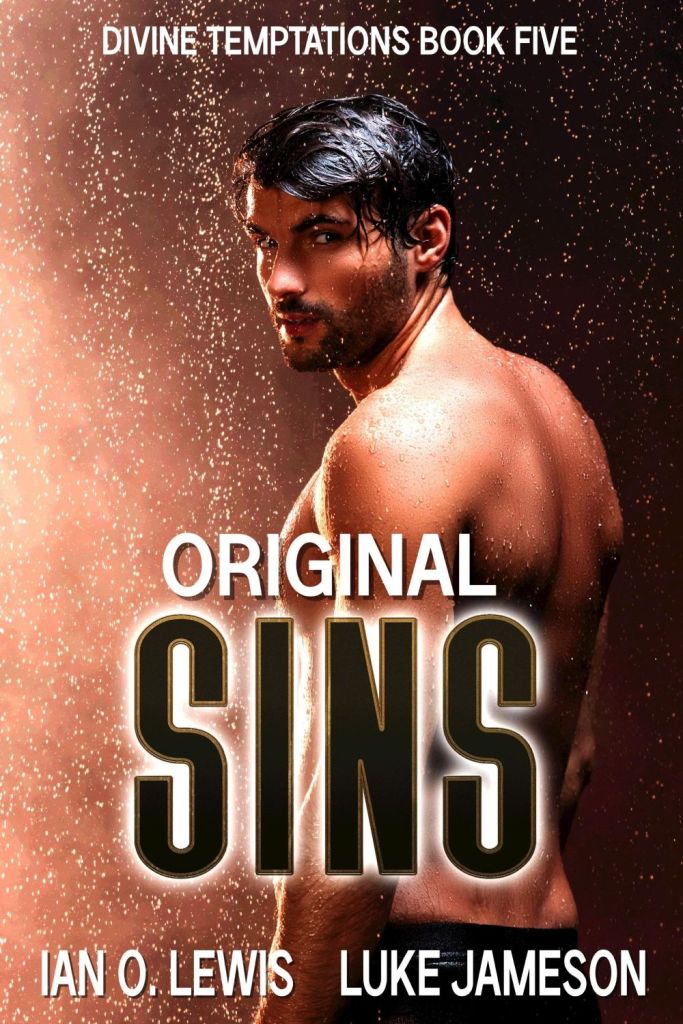
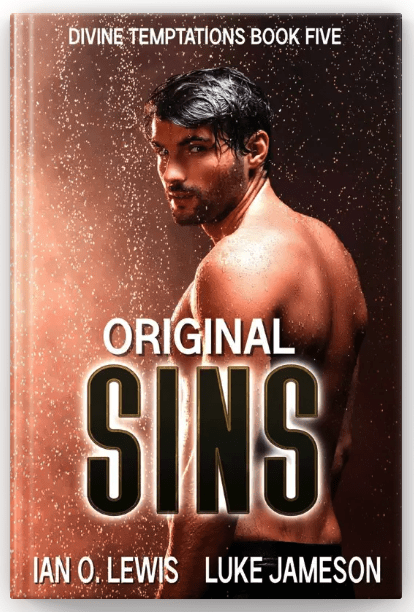
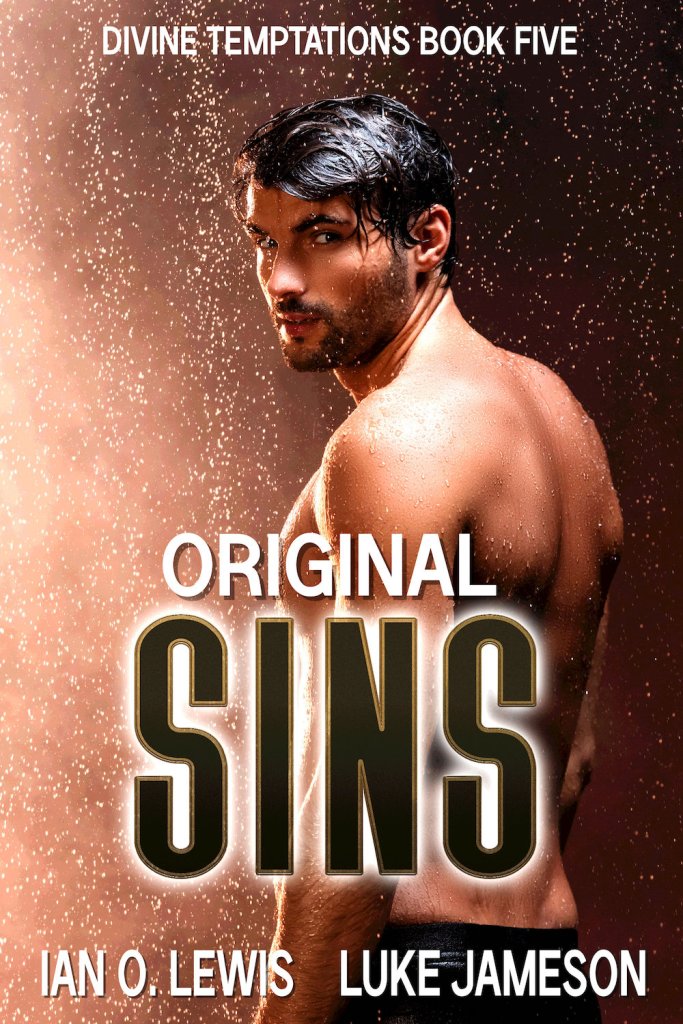
And that exact pressure cooker is the backdrop for my brand-new contemporary MM romance thriller, Original Sins, releasing June 18.
The Inspiration: Turning Up the Heat with I’ve Had It
People often ask me what sparks a new book project. For Original Sins, the lightning bolt hit me while doing something I do every single day: listening to Jennifer Welch and Angie “Pumps” Sullivan on the wildly popular I’ve Had It podcast.
If you listen to the show, you know Jenn and Pumps have absolutely, officially had it with the systemic absurdity, the control tactics, and the relentless hypocrisy of the modern political right wing. They dismantle the performance with the kind of razor-sharp, progressive, mid-southern wit that makes you want to cheer.
While listening to them dissect the utter theater of these focus-grouped political machines, a question started knocking around in my head: What happens to the human being trapped inside that performance?
What happens when the pristine, anointed prince of a billion dollar conservative empire—a man built by his family to be a king in the light—steps into a dark hotel room on the twelfth floor just to find an hour of peace with another man? And what happens when the anonymous stranger holding him in the dark turns out to be a fiercely independent investigative journalist paid to tear his entire world down to the studs?
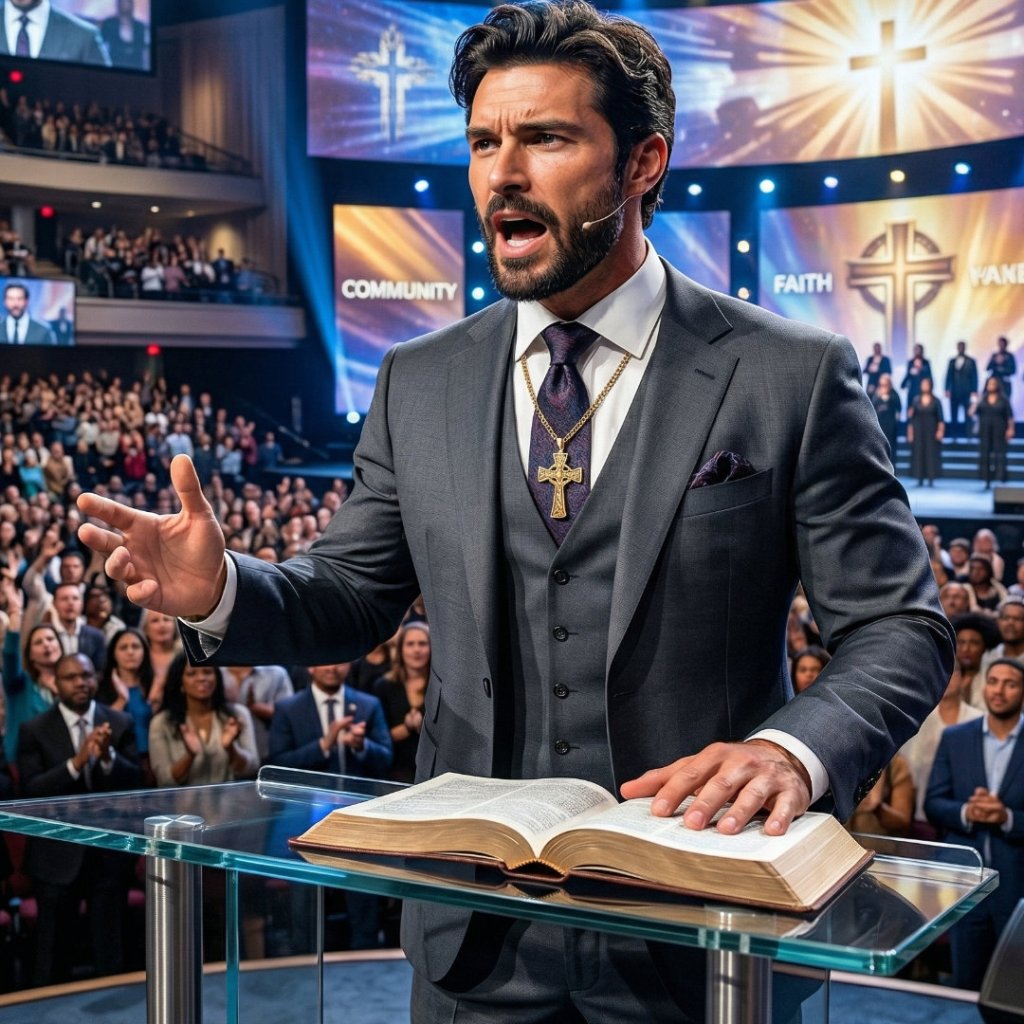
That is the high-friction, high-heat dynamic between Pastor Harrison Cole and investigative reporter Alec Friedman. It’s an alpha/alpha, enemies-to-lovers romance about the terrifying, liberating cost of radical honesty.
🌶️ The Tropes
If you are looking for your next mm romance obsession, Original Sins delivers maximum stakes and intense emotional payoffs. It is the perfect addition to your shelf if you love:
Forbidden Institutional Romance: A megachurch pastor and a cynical political reporter crossing lines that could destroy them both.
The Adhesion Dynamic: Two dominant men who know they are a catastrophic danger to each other, but whose gravitational pull collapses them right back into bed every time they try to walk away.
High-Heat & High-Stakes: The physical chemistry is explosive, raw, and deeply psychological—used as a battlefield where the public armor gets violently stripped away.
A Hard-Earned HEA: No tragic endings here. A powerful, authentic, and completely free Happily Ever After.
🚀 Pre-Order Information & Wide Availability
As part of my commitment to reaching readers everywhere, Original Sins is releasing Wide across all digital platforms. You don’t have to be exclusive to one store to read my books—you can secure your copy right now at your favorite digital storefront before the June 18 release date. Added bonus- The preorder price for the ebook is only 2.99. The price goes up on release day so preorder now and save a buck!
As many of you know, I’ve been deep in the writing cave working on my upcoming MM romance novella, Original Sins. This book is incredibly close to my heart. It dives deep into the lives of two men caught between who they are forced to be for the world, and who they are when the lights go out.
Today, I wanted to share an exclusive, unedited chapter excerpt with you.
To set the stage: Pastor Harrison Cole has lived his entire adult life divided in two—the holy shepherd on the pulpit, and the man who hungers in the dark. He lives by a strict set of self-imposed rules to survive. Feel nothing. Get dressed. Leave immediately.
But tonight, in an anonymous hotel room twelve floors above a quiet Midwestern town, a stranger is about to break every single one of his rules.
I’m skipping past the heat of the encounter today to show you what happens afterward—in the quiet, terrifying vulnerability of the wreckage.
Read the excerpt below, and let me know what you think in the comments!
EXCLUSIVE EXCERPT: ORIGINAL SINS
Afterward, we lay in the wreckage of the bedding, not touching, both of us breathing like men who’d run a never ending race. The room was dark. Outside the window the prairie night was enormous and black, and the only light was the red eye of a smoke detector.
And I did what I always did, afterward. I reached for the rule.
I cannot feel anything.
That was the rule, the one that had kept me alive. My body could have its fever, once or twice a year, in the dark, with strangers—my body was an animal, and even animals must occasionally be fed—but my heart stayed locked. My heart was not permitted at the table. I took the fleeting thing, the encounter, the hour of mercy, and then I got dressed, got out, and I let the door shut behind me. I would not, could not look back, and above all, I felt nothing.
It was a good rule. It had never once failed me.
But it was failing me now.
I lay in the dark beside this man whose name I would never know, and I made the mistake of turning my head to look at him—the profile of him, the unafraid line of him, the rise and fall of a chest that had a real face attached to it—and something moved through me that had no business in my chest. It felt so vast and so warm and so far past the borders of anything I’d ever been allowed to feel that I, who made my living and my lies out of words, couldn’t find a single lie to hold it.
This wasn’t lust; lust I understood. It was not even the worship; I’d survived it. This was quieter and infinitely more dangerous. It felt like a door I’d kept locked my entire life, swinging open onto a room full of sunlight.
This is all I get, I reminded myself. One night, with a stranger in the dark and then the long flight home and the lights and the countless lies. These few moments are all a man like me is allowed—a fleeting thing, a sensual communion taken in secret and then a lifetime of standing in front of my congregation pretending I’ve never felt a thing for another man. I should get up, get dressed, and go.
I didn’t get up.
And then the man turned his head on the pillow, and in the dark I felt more than saw him close the last few inches between us, and he kissed me—softly, this time, with nothing in it of the appetite that had wrecked us both. Just his mouth resting warm and certain against mine, unhurried, asking nothing. A kiss like an absolution. A kiss like being told, without a single word, that I was permitted to exist.
No one had ever kissed me like that. Not in thirty-five years.
And the seawall, which had held against the flood and the fevers and the breaking, did not hold against that. Against tenderness it simply gave way, and I felt my eyes sting hot in the dark and was grateful he couldn’t see the tears sliding down my cheeks.
Maybe, I thought, and the thought was so forbidden it frightened me worse than anything we’d done. Maybe I could let myself feel something. Just for a little while. Only for tonight, in this dark room where no one knows my name and the rules can’t reach me—maybe I could let the door stay open for a little while longer. A single, fleeting, unrepeatable taste of the one thing I’d never once let myself desire.
Freedom.
I kissed him back, letting the tears flow, and for the length of that kiss I wasn’t Pastor Cole, or my mother’s son, and I was not lying to everyone I knew.
We lay like that a long while, and I waited for the shame to arrive the way it always did. It didn’t come. What came instead was his voice, low in the dark, pitched soft so as not to break whatever it was we were lying inside of.
“Can I tell you something stupid?” he murmured.
“That depends entirely on how stupid.”
He huffed a small laugh, and I felt it more than heard it, a warmth against my shoulder. “We’re never going to know each other’s names. Right? That’s the whole arrangement. Two gray squares in the dark.”
“Um, I guess. That’s the arrangement.” Even saying it cost me something I hadn’t expected it to.
“So here’s the stupid part.” He shifted, and I felt him turn toward me on the pillow. “That means I could tell you anything. Anything true. The realest, ugliest, most honest thing in me—and tomorrow you’ll be a stranger, and it would be like I’d never said it at all. I could finally tell the truth to somebody, because you’re the one person on earth who can’t use it against me.”
I lay very still. He had no idea—none—how close that came to my own truth. “All right,” I said, and my voice was not quite steady. “Then tell me something true about yourself.”
A long pause ensued, and I wondered if he’d chickened out. Finally, he took in a deep breath and began to speak.
“Somebody tried to love me once,” he breathed. “Really tried. And the whole time, I was just—waiting. For the catch. For the day he’d figure out I was a bad investment and leave. So I kept one foot out the door for both of us. I made sure he could feel it, too.” Another deep breath. “And when he finally left, you know what I felt? Relief. Because being right hurt less than being left.”
He was quiet a moment.
“I’ve told myself ever since that wanting somebody is the stupidest thing a person can do. It’s the easiest way to get destroyed there is. And I’ve built a whole—an entire life out of not needing anyone, and I wear it like it’s a fucking virtue.” His voice dropped, almost too low to catch. “And then you opened that door tonight, and I’ve spent the last few hours terrified, because I don’t want you to leave. Jesus, I don’t even know your name.”
It landed in the dark between us and sat there, and I understood that he’d handed me something real, and that the only decent thing—the only honest thing—was to hand him something back.
“My turn,” I said, and I told him a true thing about myself.
“I’m fake, like, the fakest man you’ll ever meet. It’s a version of me that stands at the front of a room and every person in that room would tell you they know exactly who I am. But not one of them has ever met the true me. Not a single one. I’ve been performing this character for so long I’ve forgotten where he stops and I start.” My throat closed. “You’re the first person in longer than I can say who’s touched the actual me. Whoever that is.”
In the dark, his hand found mine.
He didn’t make anything of it. Didn’t squeeze, didn’t lace our fingers like a vow. He just slid his palm over the back of my hand where it lay between us and let it rest there. And I—who had been preached at, prayed over, photographed, fundraised upon, and managed by my own mother for thirty-five years—could not remember the last time anyone had simply held my hand in the dark for no reason at all except that I was there and they wanted to.
I had to look at the ceiling and breathe.
“You should know,” I said, when I could, “I don’t do this part.”
“What part?”
“This. After.” I made myself say it. “I leave. Always. The second it’s over I’m dressed and gone before the other man’s caught his breath. I don’t—” the word came out cracked, “—I don’t get to stay.”
I felt him take that in. And then, instead of arguing, instead of wheedling, he did the only thing that could possibly have undone a man like me: he made it easy.
“Then don’t stay,” he said gently. “Just—don’t go yet. There’s a difference. You don’t have to decide to stay the night. You just have to not get up in the next minute. And then not the minute after that.” He turned, and drew my arm over him, and settled his back against my chest as though it were the most natural arrangement in the world, fitting himself into me. “See? Nobody stayed. We just didn’t leave.”
And God forgive me, I didn’t leave.
I wrapped myself around this stranger in the dark and held on, and the rightness of it was so total, so foreign, that for a moment, I genuinely did not know what to do with my own body. I’d held people before—congregants weeping at the altar, my mother gripping my arm for the cameras—but I had never been the one allowed to simply close his arms around a warm and willing thing and hold on.
His heartbeat slowed under my forearm, then his breathing went long and even. And I lay there in the dark feeling something I had no precedent for, no scripture for, no sermon that had ever prepared me to survive it: happiness. Real, unbearable, doomed happiness. And grief, exactly equal to it, riding alongside it. In a few hours the sun would come up over Nebraska and I’d become Pastor Cole again, and this man would become a stranger. The door would slam shut, and I’d carry the memory of one held hand to my grave like a stone in my shoe.
This sweet man was now asleep. I could tell by the weight of him. My own eyes were going heavy at last. As I slid down into the warm dark after him, with his heartbeat under my arm and his hair against my mouth, one last thought followed me down into slumber.
What would it cost me to feel like this for the rest of my life? And—the more dangerous question, the one I fell asleep still holding—was there any price on earth I wouldn’t pay to keep feeling this?
Original Sins is a forbidden, emotional, high-stakes MM romance about breaking the rules to find out who you really are.
If Harrison and his stranger grabbed you by the chest, you can lock in your copy right now. Preorders mean the absolute world to indie authors and help give a book the best possible start on release day. It’s available at all major online bookstores including Amazon, Apple Books, Kobo, Google Play, Nook, and Smashwords. Preorder Your Copy Today!
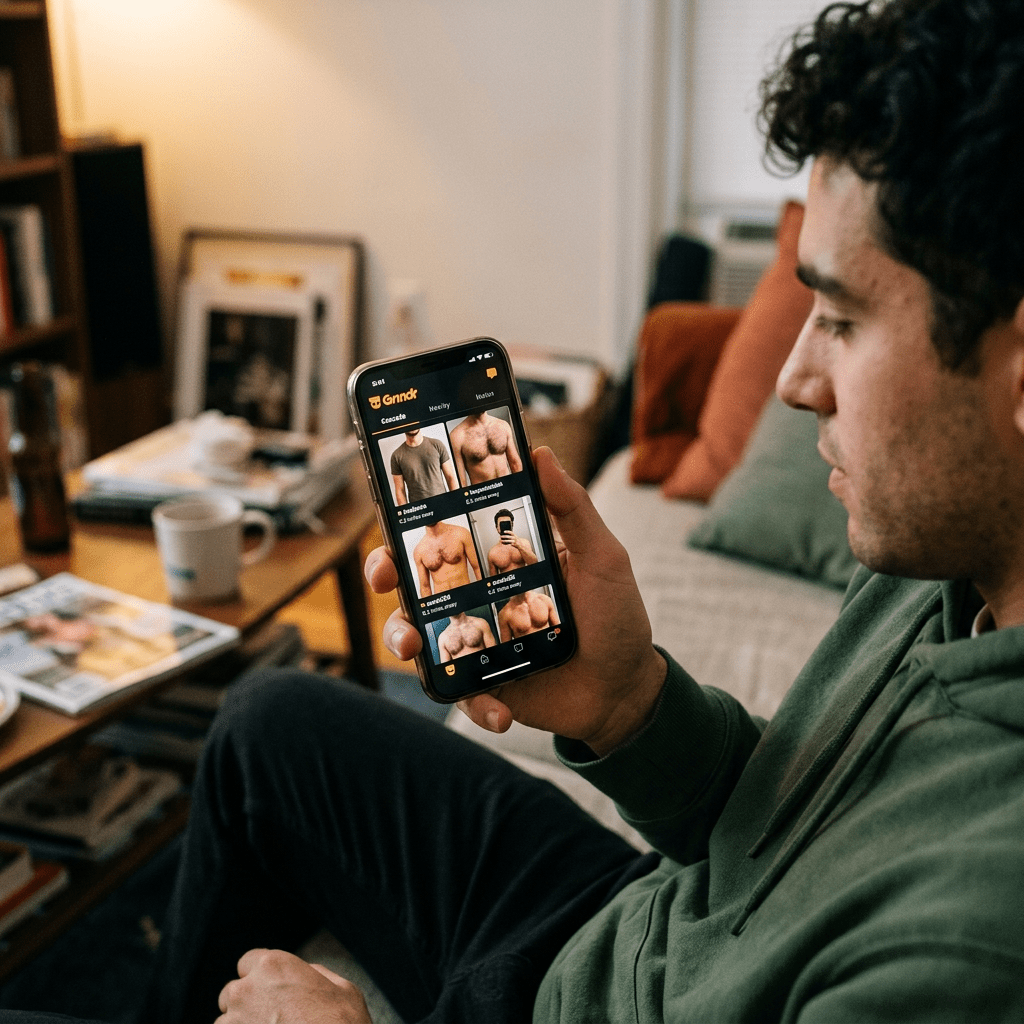
A man looks at muscular male profiles on a gay dating app
They say truth is stranger than fiction, but in the world of political reporting, sometimes the truth is just… hilarious.
If you’ve kept an eye on the news during major conservative conventions, you know the drill. A few thousand “family values” advocates descend on a city, and suddenly, Grindr starts sweating. It’s a digital stampede of faceless torsos and “discreet” profiles so intense that the servers eventually just throw in the towel. It’s a phenomenon so predictable you could set your watch by it—or in the case of my new book, you can set a plot by it.
That specific, chaotic intersection of public piety and private “Looking?” was the spark for Original Sins.
The “Glitchy” Meet-Cute
Imagine you’re a reporter. You’re at a conservative political conference to find a scandal, not a boyfriend. You’re scrolling through a sea of “Headless Torso #402” and “Don’t Ask, Don’t Tell” profiles when you finally find a connection that feels real. You’re mid-sentence, heart doing a little flutter, and then—poof.
The Grindr Crash.
The app dies. The servers have surrendered to the GOP. You’re left staring at a spinning loading wheel, wondering if your soulmate is the guy in the “Traditional Values” tie at the coffee cart or the one currently shouting about “the sanctity of everything” on the main stage.
The Holy Mess
In Original Sins, that crash forces my protagonist to do the unthinkable: actually talk to people in person. When he finally tracks down his mystery connection, he doesn’t find a fellow jaded journalist. He finds a man whose entire career depends on nobody ever seeing that profile—a megachurch pastor who is essentially the poster boy for the movement the reporter is trying to dismantle.
It’s a story about what happens when the digital mask slips and you realize the “enemy” is actually the guy you’ve been dreaming about—even if he does have a lot of explaining to do to his congregation.
Preorder the Chaos
I can’t wait for you to dive into this one. It’s got all the secrets, scandals, and “oh no, he didn’t” moments you expect from my stories, with a healthy dose of “why is this app like this?” energy.
Original Sins is available for preorder now!Grab your copy before the servers—or the characters—have another meltdown. The preorder price is 2.99, but the price goes up to 3.99 on release day. It’s available at all major online retailers. Lock in your savings now!
‘ll be honest — I wasn’t sure what to expect when Grant Moss agreed to talk to me. The host of Irreverent — the podcast that has made three sitting congressmen sweat through their suits — is exactly as advertised. Sharp. Funny. Slightly dangerous. And absolutely not sorry about any of it. We met virtually, and he showed up exactly on time, coffee in hand, looking like trouble in the best possible way.
So Grant. Conservative conventions. You’ve been to a few.
More than I’d like to admit. My therapist calls it a compulsion. I call it content.
What’s the elevator pitch for people who’ve never been?
Imagine your most insufferable uncle’s fever dream brought to life in a convention center. American flags everywhere. Men in suits that cost more than my rent talking about the working class. Women smiling so hard their faces must ache by Tuesday.
Sounds exhausting.
Oh it’s exhausting AND illuminating. That’s the thing people don’t understand. These events are fascinating precisely because of the gap between the performance and the reality.
The gap.
(he smiles over his coffee cup)
Let’s just say the agenda and the after-hours activities don’t always align.
Meaning?
Meaning the same men thundering about moral decay at two in the afternoon are absolutely unhinged at the hotel bar by ten at night. I’ve seen things. I have receipts I’ll never use because I actually have a conscience, which frankly puts me ahead of most of the speakers.
Give me something. Anything.
(laughing)
Okay. Without naming names. I once watched a very prominent advocate for traditional marriage spend forty minutes at a hotel bar buying drinks for someone who was emphatically not his wife. And when I say emphatically I mean demographically, structurally, and in every conceivable way.
Oh my God.
And that’s a Tuesday. That’s not even the interesting stuff.
What’s the interesting stuff?
(pause)
That’s what I’m going back to find out.
Wait — you’re going back? To another one?
The Turning Tides USA conference. Next month.
Are you covering it for the podcast?
I’m going undercover. No press credentials. Just me, a hotel room, and a very open mind.
Undercover as what exactly?
(that smile again)
An attendee. A true believer. Someone who belongs there.
You. A true believer.
I can be very convincing when I’m motivated.
And what’s motivating you this time?
There’s a keynote speaker. Very prominent. Very polished. Very… vocal about certain issues that affect people I care about. And I have a feeling — call it journalistic instinct — that there’s a story there.
What kind of story?
The best kind. The kind where everything is not what it seems.
Should this keynote speaker be worried?
(long pause, something shifting behind his eyes that wasn’t there before)
Honestly? I have no idea anymore.
That sounds like there’s more to this than a podcast episode.
I think I’ve said enough.
Grant —
Order your copy. You’ll find out what happened.
Grant Moss’s story — and what really happened at the Turning Tides USA conference — is told inOriginal Sins: A Divine Gay Romance(Divine Temptations Book Five) by Ian O. Lewis and Luke Jameson.
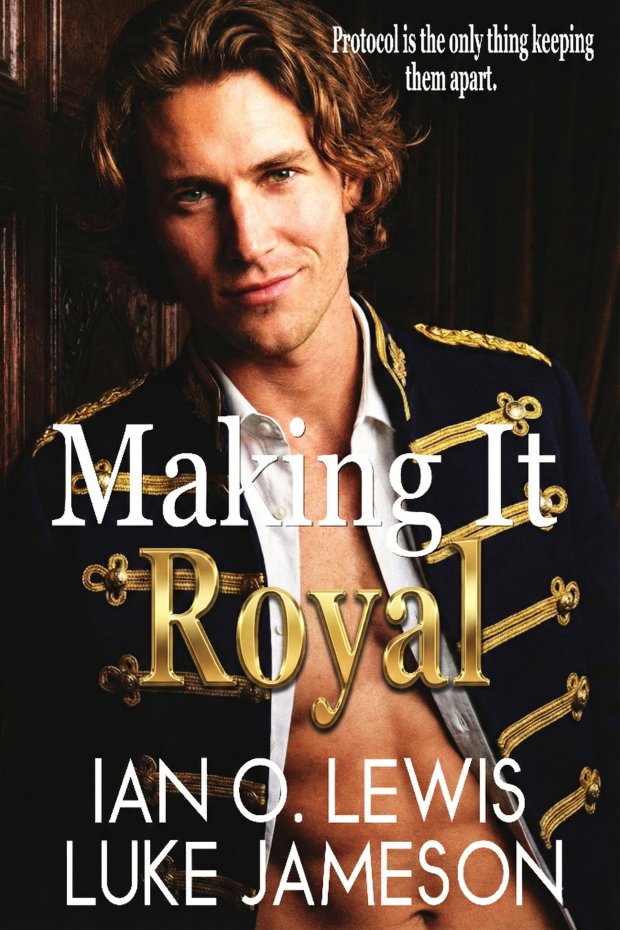
This chapter has everything: sweeping English countrysides, deep-seated family drama, and two men who are definitely not just talking about horses.
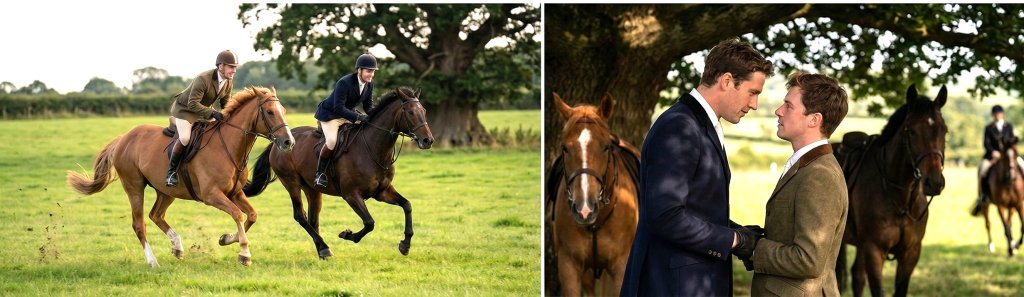
In this sneak peek of Making It Royal, Bryce and Arthur trade the stiff collars of the embassy for the rolling hills of Strathmore. But as the conversation shifts from riding techniques to the realities of growing up in the spotlight (and out of the closet), the air between them starts to spark.
Check out the full scene below, featuring a very competitive race, a centuries-old oak tree, and a moment that was this close to being perfect—until the rest of the world decided to crash the party.
The first thing that struck me was the smell—clean grass and loam and the faint, peppery sweetness of crushed clover. It lifted something in me I hadn’t realised was heavy. The embassy smelled like toner and coffee grounds, while London smelled like rain-slick pavement and someone else’s cigarette. But Strathmore smelled like childhood Saturdays, like the ring at Fairview Stables back in Richmond, like a part of me I’d filed away under before life got complicated.
The second thing was the sound: hooves in soft rhythm, two horses breathing like bellows, birds tick-ticking in the hedgerow. No sirens. No phones. No clatter of staff with agendas. Just the countryside and the slow pulse of two fine animals who didn’t give a damn that I was an ambassador.
Arthur took the lead at first, his mare—an elegant dark bay with a glossy neck—moving like a metronome under him. He sat tall, shoulders back, hips loose, hands steady—textbook, frankly, but not stiff. The kind of form you couldn’t fake if you tried, and it made me overly aware of his body inside those cream breeches and navy hacking jacket.
I let my gelding fall in a few lengths behind. He was a golden chestnut with sensible eyes, and a personality that said I have seen absolute nonsense and survived it, sir. Each step loosened the knot at the back of my skull until I could almost pretend I had nothing waiting for me on Monday—not the briefing book with a spine like rebar, the inevitable memo from the Foreign Office about “expectations,” nor the delicate dance with a government that loved tea, tradition, and plausible deniability.
My eyes kept drifting to the line of Arthur’s back, to the clean angle where jacket met waist, to the way his calves gripped the mare’s sides. I was fifteen again, sitting astride an ill-tempered pony while my heart jump-started over Ben Morrow’s two-point position. My first crush, who had hair the colour of dark honey and a laugh that made me think of summer thunder. Nothing ever came of it, and after he started dating Caroline Fischer from the swim team he stopped noticing me completely.
The day Ben showed up at the stables with Caroline’s class ring on a chain around his neck, I learned two things at once: one, that my father would rather I focus on the family’s legacy—the Lewis name, the diplomatic tradition, the path that had been laid for me since birth—than dwell on whatever was happening in my chest; and two, that boys tilted my world in a way girls never would. After that, the barn was never just a barn. It was a place where adrenaline muddled with desire, where the sound of a boy’s laugh could set off fireworks in my heart. I hadn’t ridden much since I threw myself into the diplomatic corps. But the wiring I’d laid down as a teenager still hummed.
It was humming now.
Arthur slowed and glanced back, his smile easy. He half-turned, bringing the mare to a lazy trot until we drew shoulder to shoulder. The fields rolled away around us—green after green, stitched with hedges and drystone walls, the sky an old china plate. We moved as a pair without thinking, matching strides. My gelding blew softly, approving of this new arrangement.
“It must be lovely,” I said after a minute. “Having a mother who loves the same things you do. Mine never did. She wanted me to be a certain kind of man, you know? The kind who marries the right girl from the right family and produces two children she could spoil at Christmas.”
Arthur gave a little huff of laughter, very unprincely and therefore charming. “Mummy and I share horses and the family, certainly,” he said. His voice had that peculiar royal clarity—like a bell rung softly—but his tone was warm. “Beyond that, we diverge violently. She will tolerate a good, practical coat; she does not understand a bias cut. Fashion leaves her completely unmoved.” He tilted his head, lips quirking. “And as for women—”
He stopped. Not dramatically. Not with any flourish. But something caught in his voice, a tiny snag, and I felt my attention sharpen as if the whole field leaned toward him.
He resumed, carefully, almost wry. “Mummy knows they will never be a part of my life.”
I nearly fell off my horse.
My gelding flicked an ear back in my direction as if to say, Sir, perhaps not an ideal moment for theatrics. I re-centred my weight and found the reins again, heat flooding my face under the helmet.
Arthur’s eyes darted to me, concern flickering. “Are you quite all right?”
“Mm?” I tried for casual and landed in mortified. “Yes. Yes. The horse and I just had a small philosophical disagreement about gravity.”
“Good,” he said, amused, then—softer—“Mummy knew before I did, you know. About… what I wanted. Girls, beyond friendship, never looked like the answer.” He cut me a quick look. “I was dreadfully slow to admit it even to myself.”
“I wasn’t slow,” I said, and heard the old bitterness and tried to sand it down. “I was just… supervised. My mother—she wasn’t cruel. Just single-minded. Cotillions, Hunt Club dances, the right girl on my arm. When it dawned on her that I had no real interest in girls, she did what she always does when reality conflicts with her plan: she tried to manage me like a project.” I smiled. “And then I entered the diplomatic corps and she threw up her hands. Now she pours all that energy into my brothers’ wives. Poor women. They get smothered with monogrammed home accessories.”
Arthur laughed, music to my ears.
We rode in silence for a stretch, the horses content to follow the curve of a hedgerow. The sunlight came slanting in at that hour where everything looked briefly like a painting. I felt unravelled and stitched back together all at once.
“How did your family take it?” I asked carefully, because we were stepping onto something tender. “Your… preferences. Considering your family is the most famous one on Earth.”
He drew his mare to a halt so smoothly the animal seemed to pause mid-breath. I reined in too, and we faced one another. Arthur’s expression shifted; the humour slid away. “It hasn’t always been easy,” he sighed. “There were seasons that felt like weather one could not ride out—wind in one’s face, rain from all angles. But Mummy has been a rock. She kept me out of sight when she could, shielded me where she could not. I am not like my cousins. The Prince of Wales and the Duke of Sussex were born to be looked at. I was born to be useful. I’m not a working royal; the spotlight is not my occupation. It’s only by a string of accidents that you and I ever met.” He tipped his chin up. “Had Mummy not been ill on the night of your reception, I might have stayed home, and you would still be a photograph in the paper to me.”
Something went warm and ridiculous inside my chest. “Well,” I said, and heard the rush in my voice, “I am—ridiculously—grateful for Princess Anne’s ill health.”
Colour rose along Arthur’s cheekbones, quick as a match-strike. We sat there looking at each other, and I felt the moment gather itself the way the air gathers before a summer storm—pressure combining with searing heat.
It occurred to me—absurdly—that if I leaned forward and bridged the few inches between our horses, I could kiss a prince. The thought made my pulse leap. Then the more absurd thought followed, brighter and funnier: my father would die. Not of outrage—no, he’d be split perfectly down the middle, bursting with pride that his son was consorting with actual royalty and horrified at what the neighbours back in Richmond would say.
A laugh slipped out, undignified and juvenile, and I pressed my fist against my mouth. My gelding flicked his ear again.
Sir, please control yourself.
Arthur arched his brow. “What, pray, is so amusing?”
“Nothing,” I said, which was a lie, and looked wildly around for cover. Far across the field, a tree rose enormous and inviting, a knotted old oak with a shadow like a dark lake beneath it. “Except,” I blurted, “that tree is begging to be raced to, and I’m prepared to bet you a hundred pounds I can beat you to it.”
His lips parted, and then he laughed, pure delight. “A hundred pounds?” he repeated, teasing horror creeping into his voice. “Ambassador, you are shockingly American.”
“Stars and stripes, baby,” I said before my brain could strangle my mouth. “Well? Do you accept?”
He gathered his reins one-handed, mischief lighting his eyes. “Very well. But when you lose—and you will—you may pay me in suits from Clarence, not cash.”
“Deal,” I said. “On three?”
“One does not shout numbers across a field like a farmhand,” Arthur said, primly, and then ruined it with a grin. “We go on now.”
He touched his heel to the mare and shot forward, the bay launching with a power that made me swear. My gelding took half a heartbeat to realise what was happening, then surged after him. The oak swelled as we thundered toward it, and I measured distance and angle and the way his mare drifted left when Arthur asked for speed. I moved to the right, a clean line, the gelding stretching out the way horses do when they remember they were built for it.
We were neck and neck at the last, and we tore past the invisible finish line with a whoop that startled a flock of birds from the hedgerow. We eased down from our horses together, breathless.
“I protest,” he said between gasps, cheeks flushed, and eyes shining. “You had a superior line.”
“You had a superior horse,” I countered, grinning, and patted my gelding’s sweaty neck. “He’s just competitive. Won’t let anyone beat him.”
“Then we are three of a kind,” he returned with a wink.
We walked the horses in wide circles to cool them, the oak’s shade a relief from the unseasonable heat.
“You ride beautifully, Bryce,” Arthur said after a moment, eyes on his mare but his voice turned to me. “You don’t fight the horse. You persuade. That’s the mark of a gifted rider.”
“Flattery will get you everywhere,” I said, too briskly, because my heart had overreacted to the compliment. “And thank you. It’s been a long time.”
Arthur eased his mare a step closer until our stirrups almost kissed. Leather creaked; the bay flicked an ear. He looked at me the way sunlight looks at water—direct, unhurried, a little dangerous.
“Persuasion suits you,” he said, voice low. The corner of Arthur’s mouth tipped. “Competence is terribly attractive.”
My heart did a drum solo against my ribs. Shit. Is he flirting with me? What the hell do I say now? “Oh,” I managed, then added, “Well—good. I’m… wildly competent.”
Something like laughter shimmered in his eyes. He leaned in the smallest degree, a breath closer, and his gaze dropped to my mouth. He ran his tongue across his lower lip, quick as a cat tasting cream. I felt the ground tilt. Arthur was going to kiss me under a tree on a late-September afternoon and my mother would sense it from another continent.
Oh God, I’m about to kiss a fucking PRINCE.
My gelding stood like a saint. The world went silent, all the sound tunnelled into the space between us—the soft rush of his breath, the faintest click of his swallow—until, from across the fields, came the unmistakable thunder of hooves.
Both horses snapped their heads up. We pulled back instinctively, the spell shredding. Arthur’s jaw tightened.
“If that is Mummy,” he muttered, “we are going to have a very long talk.”
It wasn’t. A rider in Strathmore livery came pounding across the field. He reined in neatly beneath the oak, the horse blowing hard, and swung down in one fluid motion.
“Your Royal Highness,” he said, bowing to Arthur, then turned to me with crisp deference. “Mr. Ambassador—apologies for the interruption. A call just came through from the house. It’s the embassy. They said it’s an emergency and you’re needed at once.”
Making It Royal is available for pre-order now! Grab your copy to see what happens when the emergency call ends and the real games begin. The Preorder price is 3.99 but on release day the price goes up to 4.99, so lock in your savings today at your favorite online retailer. Click here to reserve your copy now.