I knew the moment I walked into Dr. Felix Sterling’s office that I’d found my next leading man—or at least, the messiest genius in a three-mile radius. His office was part library, part explosion, and part cry for help. Books everywhere. Three open laptops. A whiteboard covered in formulas that may or may not have been about lube viscosity.
Dr. Sterling himself was hunched behind a desk, chewing the end of a pen and looking like a gay Doogie Howser who’d aged into anxiety and never stopped pulling all-nighters.
Me: Dr. Sterling. Thanks for letting me barge into your natural habitat.
Felix: Oh! Yes! Thank you for coming. I—wait, not like that—I mean, thank you for visiting. [He shoves a pile of papers off a chair with a panicked gesture.] Please, sit down! I printed out a journal article for you but then spilled coffee on it. And ink. And possibly a chemical that makes mice fall in love.
Me: Happens to the best of us. So, you’re a tenured professor, a published researcher, and you’ve got a… very interesting extracurricular situation.
Felix:[blushes hard] If you’re referring to the, um, transformation serum, that was honestly never supposed to be public. I synthesized it during a particularly lonely Valentine’s Day. [beat] They say necessity is the mother of invention, but loneliness? She’s a wicked stepmother with a strap-on.
Me: Wow. Okay, let’s unpack that. Are you lonely?
Felix:[laughs nervously, then stops] Yes. Profoundly. I haven’t had a boyfriend. Ever. Not a real one. I mean, there was that guy from Reddit who mailed me a lock of his hair, but that doesn’t count, does it?
Me: …No. That counts in court records, not dating history.
Felix: Exactly. I’m just not… I don’t know. People don’t see me that way. I talk too fast. I care too much about obscure 18th-century aphrodisiacs. I own a custom lab coat with my D&D character embroidered on it.
Me: Sounds like husband material to me. But you did create a serum that changes your entire personality?
Felix: It’s more than that. The compound rewires neural inhibition, boosts testosterone, and hijacks frontal-lobe regulation. It unleashes the part of me that isn’t scared all the time. The part that doesn’t double-check his outgoing emails for tone. [quietly] The part people actually want.
Me: Felix. C’mon. You are the whole package. You just don’t see it.
Felix: That’s sweet of you to say, but I assure you, the only people who’ve called me “hot” were under the influence of my own synthetic aphrodisiac. And it was a peer-reviewed double-blind trial, so they didn’t technically know it was me.
Me: Felix. Babe. What if you drank the serum right now?
Felix: Oh no no no no—absolutely not. The last time I did that, I woke up with glitter in places I don’t talk about, a tattoo of a dolphin with abs, and a police citation for “inappropriate hot tub evangelism.”
Me: Exactly. That’s the kind of energy this blog needs. For the readers.
Felix: But—I—this is supposed to be a serious academic interview!
Me: This is serious. I’m seriously begging you. C’mon, just one sip. For science. For love. For the readers who like a good “nerd to thirst trap” transformation.
Felix: sighs Fine. But if I start stripping, you have to turn the recorder off. Unless it’s for Patreon content.
Me: Deal.
Felix opens a drawer and retrieves a small, glowing vial. He eyes it like it’s his worst idea and his best chance. With one last glance at me — equal parts dread and curiosity — he knocks it back like a man surrendering to fate.
He shudders. A low sound escapes him. And then… he changes.
The curve of his spine straightens. The nervous fidgeting stills. His eyes sharpen with intent. One eyebrow arches in slow, sexy defiance. The glasses come off and so does the act.
Jax: Ahhh. That’s better. [Cracks his neck, flashes a grin so smug it should be illegal.] You must be Ian. You’ve got the kind of vibe that makes a man wanna misbehave in a hotel elevator.
Me: I—okay. Hi, Jax. Welcome to the interview.
Jax: Thanks, darlin’. Felix gets all shy about this part, but I’ve got no such hang-ups. What do you wanna know? I’m an open book. A very naughty, slightly bent book.
Me: Well, people are curious. Who are you, exactly?
Jax: I’m what happens when Felix stops worrying about tenure and starts worrying about pleasure. I’m the part of him that says, “Screw the rules,” and then actually does. I like good wine, bad decisions, and kissing boys who use big words. [leans forward] Especially if they wear glasses and pretend they’re not kinky.
Me: You seem… confident.
Jax: Oh, I am. Confidence is just chemistry with better posture. I don’t waste time overthinking. I want something, I say it. I feel something, I do something. And if someone wants me? Baby, I notice.
Me: So you’re basically Felix, minus the insecurity.
Jax: Exactly. Felix is all heart and no hustle. I am the hustle. And sometimes, people need both. [pauses, then softens — just a little] He wants to be loved, you know. Not just admired for his brain. He wants someone to look at him and see him — the stammering, brilliant, lonely man who’s never quite believed he was enough. He doesn’t think he deserves to be wanted.
Me: But you do?
Jax: Oh, sweetheart. I know he does. That’s why I exist. [grins again, full heat this time] And if anyone needs convincing? I’ve got a few ideas that don’t require words. Just consent… and maybe a sturdy table.
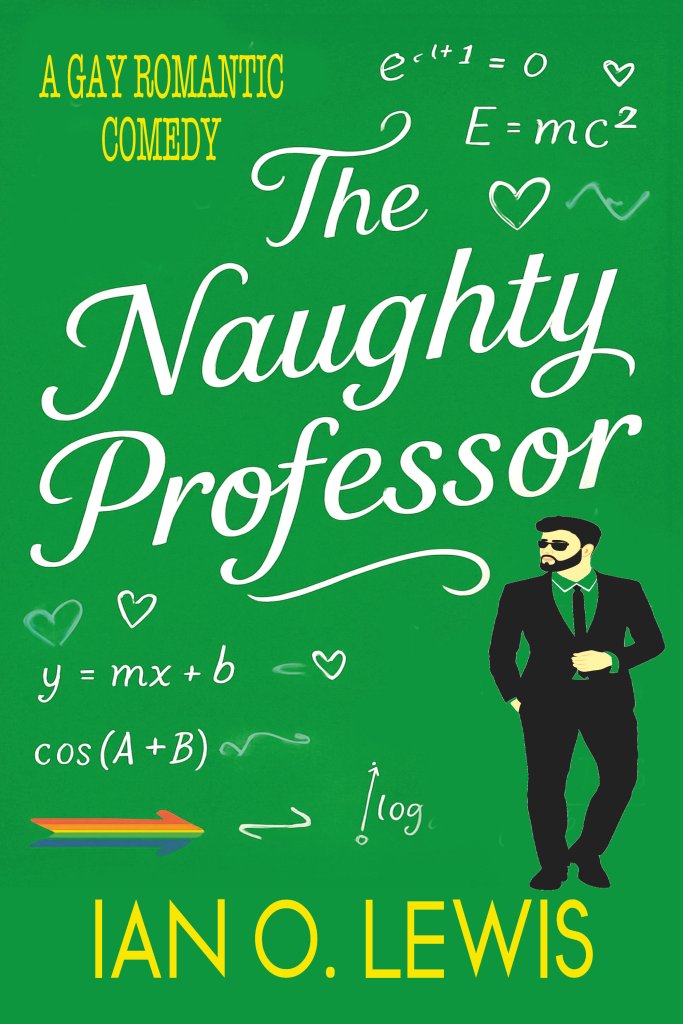
The Naughty Professor is available to preorder now. Come fall for Felix. Try to survive Jax. And maybe discover that sometimes, the messiest love stories are the ones that actually stick. The preorder price is 3.99, and goes up to 4.99 on release day!
I wasn’t scheduled for anything else today, which meant one thing: freedom. Sweet, beautiful, no-lube-needed freedom. No studio lights, no body oil, no terrible dialogue I had to deliver while holding a plank position.
I leaned against the front desk like I had nowhere better to be, which was a lie, but a cute one. Petyr was scrolling on his phone, probably looking at tweets about union strikes or articles on OSHA violations. Dimitri had a sudoku book open, pencil tapping against the counter like it was a metronome set to “mildly annoyed Russian.”
“Another thrilling day in adult entertainment customer service,” I said, grinning. “Tell me, gentlemen… when you dreamed of escaping Soviet oppression, is this what you pictured? Lube shipments and call sheet drama?”
Petyr snorted. “Back then, I dreamed of eating a sandwich without standing in a line for three hours.”
“Dream big,” I said.
Dimitri didn’t look up from his puzzle. “At least this job comes with free coffee. Even if it tastes like sadness and broken promises.”
I laughed. They were both like that—sharp, dry, impossible to rattle. They were also disgustingly in love. It had been what, decades now? Since before I was born, probably. Every time I caught them sneaking little glances at each other or making dirty old man jokes, part of me wanted to roll my eyes… but a bigger part of me just… wanted.
I wasn’t used to that feeling. Most of the time, I was perfectly fine just floating. Hookups, jokes, nights on stage with a mic in my hand, making people laugh so they didn’t notice I was deflecting my loneliness like a human pinball machine. Love was for other people. People with stable home lives and functional trust issues.
But watching Dimitri scribble in his sudoku while Petyr tilted his phone toward him to share some meme, and seeing the way they smiled at each other like it was all still new? Damn. I wanted that. Someday. Maybe.
If I didn’t die of sarcasm poisoning first.
I was about to say goodbye and head out when the phone on the desk rang. Dimitri picked up, still holding his pencil like he was ready to stab something if this was another spam caller. “Boys On Film, how can I direct your… oh. It’s you.” His whole tone shifted. “Yes, sir. He’s standing right here.” Then he held the receiver toward me like it was radioactive.
“It’s the boss.”
I blinked. “Jack?”
Dimitri nodded. “Da.”
I grabbed the phone, a little confused. Jack never called me directly unless it was about a scene. “Nico Steele, local legend, speaking.”
Jack’s voice crackled on the line. “Cute. Listen, I need you to come to the production meeting. Conference room. Ten minutes.”
I frowned. “Production meeting? Why? I’m not a producer. Or a director. Or even emotionally stable enough to be in that room.”
“You’ll understand when you get there,” Jack said. Then he hung up.
I lowered the phone slowly. “Well. That’s not ominous at all.”
“Good luck,” Petyr said, already back to doom scrolling.
Dimitri winked. “If there are bagels, bring me one.”
I headed toward the conference room, curiosity buzzing in my chest like a bad caffeine hit. This was weird. What did Jack want me there for? Was I in trouble? Was I getting fired? Promoted? Canceled?
Right as I turned the corner near the makeup suite, I almost collided with… oh no.
Bradley.
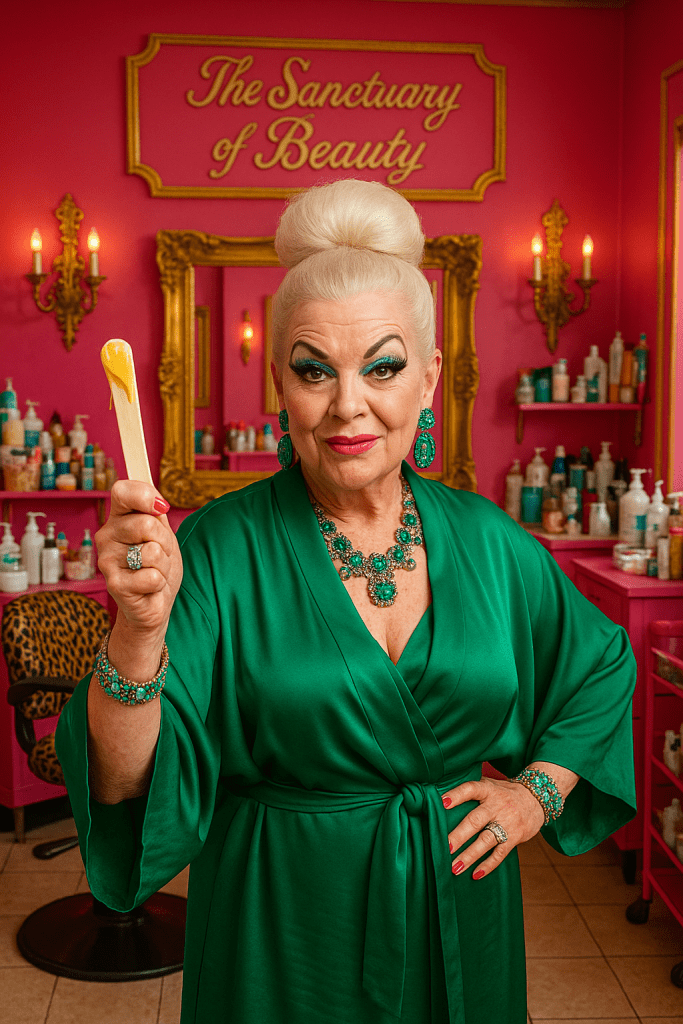
He was limping like a war survivor. Moving like every joint hurt. And his face… Jesus. The area around his eyebrows was an angry, blistering red. Like he’d lost a fight with a glue gun.
I winced in sympathy. “Dude… you okay?”
Bradley just shook his head, slow and defeated. His eyes were wide and glassy, like he’d just seen the face of God, and it was wearing a waxing apron.
“Eyebrows?” I guessed, nodding at his scorched forehead zone.
He gave me a barely there nod. His mouth opened like he wanted to speak, but no words came out. Just air and trauma.
I wanted to hug him. Which was new. Physical affection wasn’t usually my default setting. But there was something about the way he looked right then. Like a kicked puppy who’d been dumped in a rainstorm, that tugged at something soft in my chest.
Before I could act on the impulse, he mumbled, “I’m supposed to meet Jack and Liam for… something. A meeting.”
My ears perked up. “Wait. No way. Me too. Come on, just follow me.”
Bradley hesitated, like he didn’t trust the universe anymore. Which was fair, but he limped after me, anyway.
And as we headed toward the conference room, side by side, something in my stomach did a weird little somersault. Like… anticipation. Or dread. Or… something else I couldn’t name yet.
Bradley shuffled next to me like a condemned man heading toward the firing squad. Every step looked like it hurt. Hell, even watching him walk hurt.
I kept glancing sideways at him, debating whether to put an arm around his shoulders. Would that be weird? Too much? Too soon? Probably. But… damn. The poor guy looked like he’d been through a full season of America’s Next Top Traumatized Porn Star.
We hit the hallway leading toward the conference room. Carpeted, quiet, the kind of corporate ambiance that screamed “free coffee and passive aggression.”
Bradley cleared his throat. “Do you… uh… do you know what this meeting’s about?”
I shook my head. “Nope. Jack was super evasive. Real ‘I’ll tell you when you get there’ energy. Like a horror movie, but with worse lighting.”
Bradley sighed. “Awesome.”
There was a beat of silence. Then, just loud enough for me to hear, he muttered, “Can’t even sit down…”
I glanced over. “Wait. Why?”
He stopped walking. Turned toward me. His eyes were shiny, like actual tears pooled up along the lower lids.
And in the most broken, betrayed voice imaginable, he said, “That crazy old lady… bleached my asshole.”
I froze. My brain short-circuited. Like, full system reboot.
My mouth opened. Closed. Opened again.
And then, before I could talk myself out of it, I opened my arms wide. “Oh, buddy… come here.”
Bradley didn’t even hesitate. He stepped right into my chest like it was the most natural thing in the world.
I wrapped him up in both arms, pulled him tight… and immediately regretted how hard I squeezed when he made a tiny, wounded noise and whispered, “Ow… my back…”
“Shit, sorry.” I loosened my grip fast, hands going soft on his shoulders. “Forgot about the… uh… full body trauma.”
We laughed, both of us quick and awkward, and then kept walking.
When we pushed open the conference room door, the full cast of characters were already mid-salad. Laura, Liam, Jack, Nessa, and Moira were all sitting around like the judges’ panel on some adult industry version of Shark Tank. Coffee cups were everywhere. Half-eaten chopped salads. Nessa had her phone out like she was live-tweeting Bradley’s suffering.
Jack looked up first. “Grab some food and have a seat.”
There was a buffet spread along the back wall. Sandwiches. Fruit. A giant bowl of mixed greens that looked like sadness coated with dressing.
Bradley made a beeline for the farthest end of the table, keeping his distance from anything leafy.
I drifted behind him, watching the way Nessa’s eyes lit up when she spotted him. Like a cat that discovered a bird with a broken wing.
“Oh, no, you don’t,” I muttered under my breath. I parked myself next to him at the buffet line, close enough to block her line of attack.
Bradley hovered awkwardly over the food, looking like none of it made sense to him. Like he wasn’t sure if eating would make the pain better or worse.
Trying to cheer him up, I nudged his shoulder. “You know what helps after a traumatic cosmetic experience?”
He glanced at me, wary. “What?”
“Carbs. Lots and lots of carbs. Bagels are nature’s apology letter.”
That got him. A tiny, reluctant laugh broke out of him. Soft but real. His first actual smile since I’d seen him.
And wow.
Hearing that sound, God. It hit me right in the chest. Made me want to hear it again. Immediately.
So I kept going.
I grabbed a sandwich and held it up like I was a game show model showing off a prize. “This one’s got turkey and provolone. Full of healing properties. Also, I’m pretty sure eating it will reverse the psychological damage caused by Lola’s… services.”
Bradley’s laugh got a little louder. “Not sure that’s medically accurate.”
“Oh, I don’t do medical accuracy,” I said, grinning. “I do emotional support and poor decisions.”
He smiled down at the sandwich tongs like they were suddenly the funniest thing he’d ever seen.
We were still standing there, giggling over deli meats, when Jack cleared his throat.
Both of us turned toward the table.
Everyone—and I mean everyone—was staring at us.
Laura had one eyebrow raised, like she was mentally taking notes. Liam was biting back a smirk. Moira had gone into full gossip-mode, sipping her coffee slowly like she was watching a soap opera. And Nessa… Nessa looked like Christmas had come early.
Jack gave us a look that said “Anytime, gentlemen.”
Sheepishly, Bradley and I grabbed our food and hustled to two empty chairs side by side.
As we sat down—Bradley gingerly, like every surface was made of hot coals—I stole one last glance at him.
He was still red around the eyebrows. Still moving like he needed medical leave. Still adorable in that whole wounded-animal sort of way.
I didn’t know what this meeting was about.
But I suddenly didn’t mind being here at all.
Jack cleared his throat again. “Alright. Let’s call this meeting to order…”
And with that, we were off.
Jack cleared his throat again, tapping a pen against the table like he was warming up for a TED Talk. “First off… Nico.”
I blinked. “Me?”
Jack nodded, giving me a rare, genuine smile, the kind he usually reserved for Liam or big subscriber milestones. “We want to thank you for trusting us with your comedy career. It means a lot. We’re gonna work our asses off to make sure you’re a success.”
My stomach did this weird, flippy thing. “Wow. Thanks, boss.” I gave him a little salute. “I like the sound of ‘success.’ Sounds expensive.”
The table chuckled.
Nessa leaned forward, her huge acrylic nails tapping against her iced coffee like castanets. “And speaking of expensive… your management contract’s ready.” She pointed at me, all sly grin and Bronx attitude. “After this meeting, I’ll give it to you to look over.”
Liam immediately jumped in, waving a forkful of salad for emphasis. “And get an entertainment lawyer to review it. Seriously.”
I gave him a thumbs-up. “Obviously. I like to know exactly how I’m selling my soul.”
“Good man,” Liam said.
Jack set his pen down with a little clap against the table. “Okay. Now, for the real reason, we’re all here.”
Everyone shifted in their chairs. Moira put down her phone. Even Laura sat up straighter.
Jack gestured toward Nessa like he was passing a live grenade. “Ness, you wanna explain?”
Nessa beamed like it was Christmas morning and she’d just unwrapped a pair of Louboutins. “Absolutely.” She flipped open her notebook and pushed her sunglasses up onto her head like a Wall Street executive, if Wall Street executives wore hoop earrings and hot pink lipstick.
“So. Earlier today, I had a visit from a group of Japanese businessmen.” She gave a dramatic pause, letting that sink in. “They’re here in the States for some kind of… tech conference? Anyway, they found our site, watched a few of our videos, and they want to hire us, Boys On Film, to produce a custom scene for them.”
Laura blinked. “Wait… an outside contract? Like… an actual commission job?”
Nessa nodded. “Yep. Fully funded. Their production company wired over the deposit already.”
There was a collective buzz of excitement around the table. This was big. Like… real-world, industry-recognized big.
“They’ve offered…” Nessa flipped a page for dramatic effect. “…almost two hundred thousand dollars for the project.”
The entire room went silent.
Even Jack looked like he might faint.
For about three full seconds, the only sound was Moira’s straw sucking the last inch of coffee from her cup.
Then, all at once…
“Two hundred K?!”
“Holy shit.”
“Are you serious?”
I just sat there blinking. Even Bradley—poor traumatized, still-pink Bradley—looked like he was having a mild out-of-body experience.
Liam held up a hand like a traffic cop. “Okay, hold on. This all sounds amazing, but… what exactly are we making for them?”
Jack smirked. “Glad you asked.”
All eyes swung back to Nessa. She bit her lower lip, clearly savoring the buildup like it was dessert.
“When I heard what they wanted,” she said, voice syrupy with fake innocence, “the first person I thought of… was Bradley.”
Everyone turned.
Bradley froze like a deer caught in very judgmental headlights.
“Wait, what? Why me?” His voice cracked halfway through.
“Yeah… why Bradley?” Liam asked, glancing between them.
Nessa clapped her hands once. “Because the project is… drumroll please…”
Moira tapped on the table obligingly.
“…a gay bukkake video.”
The room went dead silent again.
I felt my pulse kick up, suddenly wide awake. “Okay wait… I’ve heard that word before… but I don’t actually know what it is.” I looked around the room like I was expecting someone to say it meant “group hug” or “team-building exercise.”
Laura gasped like I’d just admitted to not knowing how to use Google. “Oh, my God. No. Are you sure we wanna go there? Boys On Film’s never done something that hardcore before!”
Nessa waved her off like she was swatting at a fly. “Laura, sweetie, did you not hear me? Two. Hundred. Grand.”
That shut everyone up again.
I mean… we were all whores in different ways. But two hundred thousand dollars? That was… retirement money. Health insurance money. Rent-for-a-few years money.
Liam gave Jack a look. “We’ve… never done anything like this before.”
Jack’s expression stayed cool and calculating. “We’ll figure it out.”
I raised my hand like I was back in high school. “Okay, but like… what is it, though? Someone explain for the people in the room who don’t have a porn PhD.”
Moira snorted into her coffee.
Nessa smiled at me sweetly. “It’s simple, baby. One guy kneels on the floor… and a bunch of other guys… finish on him.”
My brain took about five full seconds to process that.
I turned to Bradley just in time to see all the color drain from his face like a cartoon character fainting.
He pushed back from the table like he was about to make a run for it. “Hell no,” he said. Loud and immediate. “Absolutely not. There’s no way I’m letting a bunch of guys jizz all over me. No. Nope. Not happening.”
I kind of wanted to applaud. The man had conviction.
Jack leaned forward, propping his elbows on the table, that signature wicked grin spreading across his face. “Would you do it… for twenty thousand bucks?”
Bradley froze mid-freakout.
I could practically see the math happening behind his eyes. Rent. Debt. Food. Survival.
He swallowed hard.
And then, after the most painful, reluctant pause in history, he said, voice both soft and doomed:
“Yes. Yes, I’ll do it.”
Heads up, babes! The Casting Couch is officially up for preorder at your favorite online bookstore—and trust me, you’ll want to lock it in early. The preorder price is just $4.99, but it jumps to $5.99 on release day, July 17. That’s one hot dollar saved—use it to tip your favorite fantasy or buy a pack of gum for the awkward scenes. Either way, grab your copy now and get ready for a hilarious, steamy ride full of ex-cons, adult film chaos, and one seriously complicated crush. 💋
Laura’s voice cracked across the set like a whip. The overhead lights buzzed, the giant box fan in the corner kept humming like it had a personal vendetta, and somewhere behind the camera, Moira was snickering loud enough for me to hear.
Laura stomped onto the set with that exasperated little march she did when she was two heartbeats away from losing her mind. Her high ponytail was frizzing at the edges, and she had a smudge of eyeliner under one eye like she’d rubbed her face sometime around hour five of this nonsense.
She pointed a French-manicured finger at Holden. Well…Bob. Real name: Bob Hildebrandt. Stage name: Holden Alcock, because branding is a cruel god.
“Holden,” she said, hands on her hips like a furious school principal, “I know this is your last day working for us, but I need you to dial up the passion. Watching paint dry while someone read a tax manual out loud would be sexier.”
Holden, lying on his back on the rented IKEA bed, gave her a lazy thumbs up. “Got it, boss lady.”
Boss lady. Jesus.
I sat back on my heels, still between his legs, and fought the urge to roll my eyes so hard they’d fly across the room. I liked Laura, and most of the people here. But Holden? No. I didn’t like Holden. I didn’t dislike him enough to wish him dead, but I wouldn’t send flowers to the funeral.
I mean…he was nice. Sort of. In a “damp washcloth” kind of way. Pleasant. Forgettable. Flexible to an almost concerning degree. Like, circus contortionist flexible. I once watched him scratch the back of his head with his own foot during a stretch. Not cute. Not sexy. Definitely not the kind of thing I needed to picture when I was trying to fake my way through another afternoon of studio lighting and organic coconut oil.
But hey—silver lining? After today, I’d be back to solo scenes until they found me a new partner.
Or three.
Laura clapped her hands twice. “Okay! Reset positions! Nico, on top. Holden, you’re on the bottom. Let’s finish this.”
I sighed, repositioned myself, and leaned over Holden with all the fake bedroom eyes I could muster. The AC kicked on, rattling the ductwork above us. The smell of lube, sweat, and cheap vanilla-scented air freshener filled the studio.
“Action!” Laura called.
We started again.
Holden moaned like a man auditioning for a haunted house job. Long, drawn-out, and about as natural as botched Botox.
I moved my hips, grinding slow and steady, trying to remember if I’d paid my electric bill. I had a set tonight at the Brooklyn Comedy Collective. Ten minutes. New material. The jokes weren’t finished, but they were percolating somewhere in the back of my brain like stale coffee.
Joke one: Why did the porn star refuse to do missionary?
Because after a decade in the industry, the only thing he believes in is doggy style and nihilism.
Okay. Not bad. Needs a punchier tag.
I shifted my weight, changing rhythm just enough to make Holden gasp like he’d been goosed by the ghost of bad acting past.
Joke two: Things I’ve learned from adult film: lube solves most problems, eye contact solves the rest, and if the cameraman falls off the ladder mid-scene, just keep going.
That one actually made me grin. My shoulders shook with the effort not to laugh.
And then came joke three.
Joke three: My career path was either to be a porn star or youth pastor. Honestly? The skill set is the same. Lots of fake enthusiasm, plenty of awkward silences, and you’re constantly pretending not to notice when people cry.
I snorted.
Out loud.
Mid-thrust.
Right into Holden’s ear.
He jumped like I’d tased him, and Laura’s voice sliced through the studio again.
“Cut!”
I froze. Holden froze. The sound guy actually dropped his mic boom onto the floor with a thud.
Laura stormed toward us again, rubbing her forehead like she was developing a migraine with my name tattooed on it.
“Nico,” she said, drawing out my name like she was considering using it in a curse. “Were you running jokes in your head again?”
I flushed. Warmth spread from my ears down to my neck like a sunburn of shame.
“…Maybe.”
Laura shook her head and let out a long, dramatic sigh worthy of a community theater production of Les Mis. “Baby, I love you. You’re talented, gorgeous, and you’re charismatic as hell. But please. Focus. Give me fifteen more minutes of serious top energy and I’ll let you out of here in time to bomb at your open mic.”
I grinned sheepishly. “It’s not an open mic. I got booked for a spot.”
“Even worse. Now make me proud. Or at least make me something usable for the website.”
I gave her a lazy salute, repositioned again, and did my best to clear my head of jokes, existential dread, and the temptation to improv a monologue about bad acting and worse moaning.
Fifteen more minutes.
Then I’d head straight for the subway, pray the L train wasn’t delayed, and go bomb onstage like the professional disaster I was born to be.
The L train screeched along the tracks like it was trying to shake us off. I had one earbud in, blasting some low-fi beat with enough bass to rattle my brain, but it still wasn’t enough to drown out Nessa and Moira holding court three seats down.
Nessa and Moira worked with me at Boys On Film, the adult film studio where I spent most of my daylight hours pretending to enjoy myself on camera. Nessa was one of our talent managers—a six-foot-tall, red-haired Bronx hurricane in platform heels, with a psychic ability to detect drama and romantic tension from a hundred yards away. Moira ran hair and makeup, with eyeliner so sharp it could cut glass and a voice that could wake the dead. Together, they were chaos in lipstick form. Loud, nosy, and endlessly entertained by my personal life.
Moira was already halfway into a story about some guy she’d hooked up with who, apparently, had a tattoo of Tweety Bird on his inner thigh. Nessa was wheezing with laughter, pounding her fist against her knee like she was trying to restart her own heart.
“And I said to him—get this—I said, ‘What is this, Looney Tunes or a cry for help?’” Moira cackled.
Nessa nearly choked. “Bitch! Stop! You’re gonna get us kicked off this train!”
A woman across the aisle shot them a dirty look. Moira winked at her like she was doing charity work.
I pulled my beanie lower over my ears and kept my head down, staring at the scuffed floor between my sneakers. My heart was doing double Dutch in my chest, and I kept running my set list through my head like I could cram jokes in at the last minute and magically become…well…good.
This was one of my first real bookings. Not just an open mic. Not just five minutes before a room full of other sad comics and two drunk tourists looking for the bathroom. A real show. With a real audience. And actual money at the end of it.
It wasn’t much money, but still.
If I pulled this off… If I kept pulling it off… Maybe I wouldn’t have to fake-orgasm on camera anymore for a living.
That thought alone kept me breathing.
The train jerked, announcing our stop with a metallic whine and the unmistakable voice of a disinterested MTA conductor who sounded like he hated everyone.
“All right, bitches, let’s roll!” Nessa announced, like she was leading troops into battle.
She tried to stand up in her skyscraper heels—black patent leather with rhinestone straps that wrapped around her calves like a bedazzled boa constrictor—and immediately wobbled like a newborn giraffe.
“Oh, shit—whoa—fuck, hold up—”
Moira caught her by the elbow. I grabbed her other arm instinctively.
“Jesus, Ness, what the hell possessed you to wear these?” Moira asked, steadying her.
Nessa swatted at her hair like she was being filmed for reality TV. “I didn’t buy ‘em! Chesty Adams left them at the studio like six months ago. Never came back for ‘em. I swiped ‘em from wardrobe.”
Moira burst out laughing. “Oh, my god. You’re wearing abandoned stripper shoes?”
“Wardrobe clearance, baby,” Nessa said, striking a pose that almost sent her face-first into a pole.
I bit back a grin. If nothing else, at least I’d have my personal laugh track at the show.
We half-walked, half-dragged Nessa up the stairs and onto the street. The Brooklyn night was sultry, humid, and sticky with the smell of car exhaust, halal carts, and old beer.
The club wasn’t far—just a block and a half. Brooklyn Comedy Collective, tucked into a brick building that looked like it used to sell hardware or secondhand TVs. The entrance was a skinny black door covered in faded stickers and flyers for punk shows and improv classes nobody wanted to take.
Inside, it was dim and cramped, with mismatched chairs and a low ceiling that made the whole place feel like somebody’s unfinished basement. The air smelled like cheap tequila and poor decisions.
Perfect.
I ditched the girls at a corner table near the front. Moira was already ordering drinks. Nessa was asking the server if they served Red Bull and vodka in buckets.
Backstage, if you could call it that, was a six-by-six storage closet with a cracked mirror, two broken stools, and a Sharpie graffiti wall full of comic signatures and bad drawings of genitalia.
I paced, wiping my sweaty palms on my jeans, willing myself to chill out. My hands shook just enough to annoy me, but not enough to stop me.
A little tequila would’ve helped. Just one shot. Just enough to take the edge off. But no. No time.
From the overhead speaker, the announcer’s voice buzzed:
“Give it up for your next comic… Carol Barnes!”
Polite applause. More like clapping out of social obligation.
I checked the set list taped to the wall by the door. I was next. Great.
Carol’s set lasted maybe seven minutes. I heard her muffled voice through the wall. Some bit about dating apps and her cat’s IBS. Tough crowd. Barely any laughs.
When she came offstage, Carol brushed past me, eyes glassy and wet, her hand swiping under her nose like she was about to cry.
Awesome. Tonight just kept getting better.
I bounced on the balls of my feet, rolling my neck, doing that little pre-show pacing thing comics do when they’re trying not to throw up.
The announcer’s voice crackled again:
“Next up… Nico Steele!”
I stepped out into the lights, forcing a grin like my rent depended on it.
The crowd stared at me. About forty people. Hipsters in beanies. A group of drunk finance bros in the back. A few lesbian couples near the front. And, dead center, Nessa and Moira, already waving like maniacs.
“All right, let’s get this out of the way,” I said, grabbing the mic. “Yes. Nico Steele is my real stage name. But… uh… different stage.”
A few chuckles. Good start.
“I know some of you are sitting there thinking… he looks familiar. Did I go to high school with him? Did I meet him at a bar? No, babe. You saw me naked on the internet.”
Bigger laugh. Nice.
“That’s right. I’m one of the rare artists who can say I make money by literally shaking my ass. And not like… metaphorically. Like actually shaking my ass. On camera. For money. More than a bank teller makes, by the way. And with better benefits. No 401k, but you should see our dental coverage. Gotta keep these teeth pretty for the cum shots.”
The lesbians in the front row howled.
I kept rolling.
“People ask me all the time, ‘Nico, what’s the hardest part about being in porn?’ And I tell them, honestly… it’s keeping a straight face when your scene partner is making sex noises that sound like a dying lawn mower.”
That got Moira laughing so hard she slammed her hand on the table.
“And let me tell you, if you’ve never stared deeply into the dead eyes of a man named Bob, while pretending to passionately make love to him for a website called Manhammer… you haven’t truly lived.”
The place erupted.
By the time I wrapped my last joke, a bit about lube being the true universal solvent, I was sweating, wired, and practically vibrating with relief.
Applause hit me like a wave.
Real, actual applause.
I stepped off stage with my heart in my throat and a grin so wide my face hurt.
Maybe—just maybe—I wasn’t completely fucked after all.
Preorder your copy of The Casting Couch now from your favorite online bookstore! The preorder price is 4.99, but will go up to 5.99 on release day so lock in your savings today.
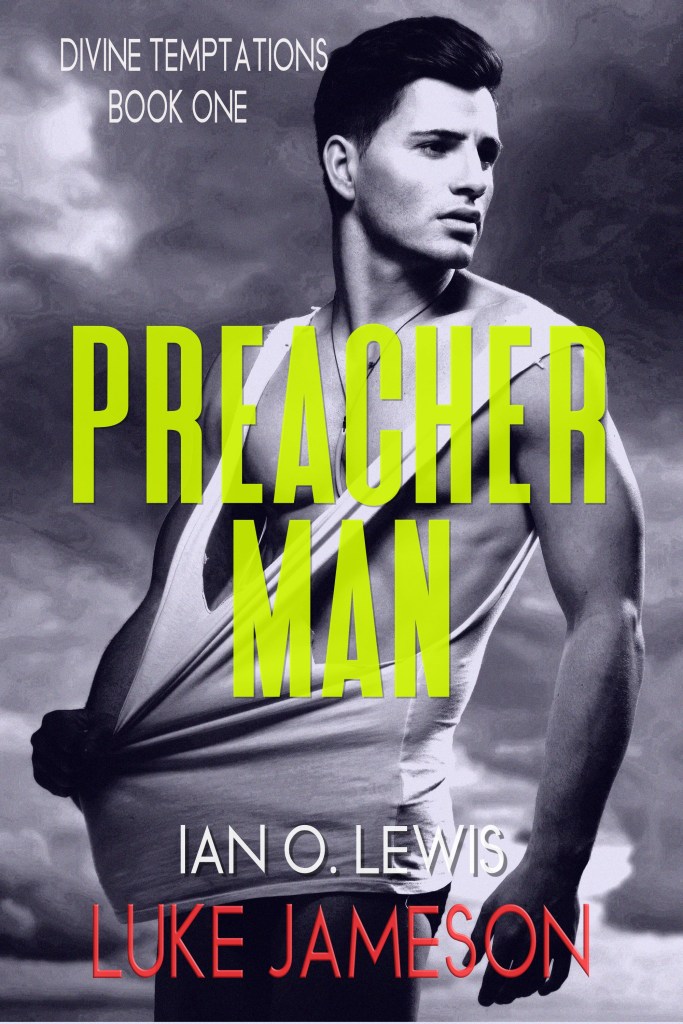
There’s something magnetic—damn near electric—about the intersection of sex and religion. Maybe it’s the guilt. Maybe it’s the shame. Or maybe it’s the undeniable fact that these two forces have shaped the way we see ourselves, our bodies, and our desires more than almost anything else in human history.
As a romance author, I didn’t originally set out to write a book that dove headfirst into the tension between spiritual devotion and sexual liberation. But Preacher Man had other ideas.
The story started with a single image in my mind: a lonely preacher, newly arrived in a small town, desperately trying to keep his faith together… right as he falls hard for a rugged, emotionally wrecked local man. That preacher—Ethan—wasn’t just fighting attraction. He was fighting the entire worldview he’d built his life around. And that’s when I realized: this wasn’t just a romance. This was about identity, shame, salvation, and how sex can sometimes feel like a kind of prayer.
Spoiler alert: things get hot. And holy. And sometimes both at once.
Why Sex and Religion Just Work in Fiction
From The Scarlet Letter to Madonna’s “Like a Prayer,” we’ve been exploring this tension for centuries. It’s not new. It’s not niche. It taps into something primal.
They’re both about longing. Religion teaches us to yearn—for purpose, for purity, for connection to something greater. Sex teaches us to yearn—for touch, for intimacy, for release. Put those two together, and you’ve got emotional TNT. In Preacher Man, Ethan’s desire for Jake isn’t just about lust—it’s about being seen. Being wanted. Being loved outside the bounds of rules and rituals. And that’s powerful stuff.
They both come with rules—and breaking them makes for damn good drama. Forbidden desire is catnip for readers. And when you toss in the weight of spiritual consequence? Baby, you’re cooking with gas. Jake, the love interest in Preacher Man, isn’t just sexy—he’s the embodiment of everything Ethan was taught to avoid. He smokes, he swears, he questions everything. And yet, he’s the first person who shows Ethan what love without conditions really looks like.
They both deal with transformation. Whether it’s a spiritual awakening or an orgasmic one (or, hell, both at once), religion and sex are about becoming someone new. Shedding shame. Stepping into your truth. Preacher Man is ultimately a redemption story—but not in the evangelical sense. It’s about Ethan finding freedom by stepping away from the expectations placed on him and into a life that finally feels like his own.
Art That Walks This Line
I’d be lying if I said I wasn’t inspired by other artists who’ve danced on this razor’s edge.
Madonna practically wrote the pop culture bible on sex and religion. From “Like a Virgin” to “Like a Prayer,” she’s constantly blurred the lines between sacred and sensual, iconography and intimacy. Her work doesn’t just shock—it asks why we’re shocked in the first place.
Fleabag, Phoebe Waller-Bridge’s genre-busting masterpiece, gave us the “hot priest” and then ripped our hearts out with that final kneel. It wasn’t just about lust—it was about being spiritually undone by human connection.
Andrew Lloyd Webber’s Jesus Christ Superstar brought rock-star swagger to the story of Christ, fusing performance with passion and questioning the line between divinity and humanity.
And let’s not forget Tori Amos, whose songs often wrap erotic imagery in religious metaphor, asking listeners to sit with their contradictions instead of erase them.
Writing Preacher Man: A Personal Reckoning
I’m not a preacher. I’m not even religious anymore. But I was. And like a lot of queer folks, I spent years wrestling with the parts of me that didn’t fit into the box I was handed as a child.
So writing Preacher Man wasn’t just about telling a hot story (though, trust me, the heat is there). It was about telling the truth. About how desire can be healing. How love can be sacred. How the parts of ourselves we were taught to be ashamed of might just be the holiest parts of all.
And yeah… it was also about writing a love story so swoony and redemptive it made me cry a little when I typed “The End.”
Final Thoughts: Sex and the Sacred
If you’re a writer wondering whether it’s “okay” to mix sex and religion in your story, let me say this:
Do it.
Not just because it’s hot (it is), but because it’s real. Because so many of us live at that crossroads—where devotion meets desire, where we ache for both connection and freedom.
And storytelling? That’s where we get to rewrite the rules. That’s where we get to say: I am worthy. I am holy. I am enough.
Even if I moaned while saying it.
Preacher Man is the first book in the Divine Temptations series, and it’s available exclusively in my direct bookstore, Cruz Publishing, for the rest of June for only 2.99! When I publish the book to the other stores (Amazon, Apple, Kobo, etc) the price goes up to 3.99. Purchase your copy today at Cruz Publishing.
Every June, we celebrate Pride—not just love, but resistance, survival, and the ongoing fight to be seen. For many of us, Pride is glitter and parades. But for others—especially in history—it was silence, code words, and stolen moments in the dark.
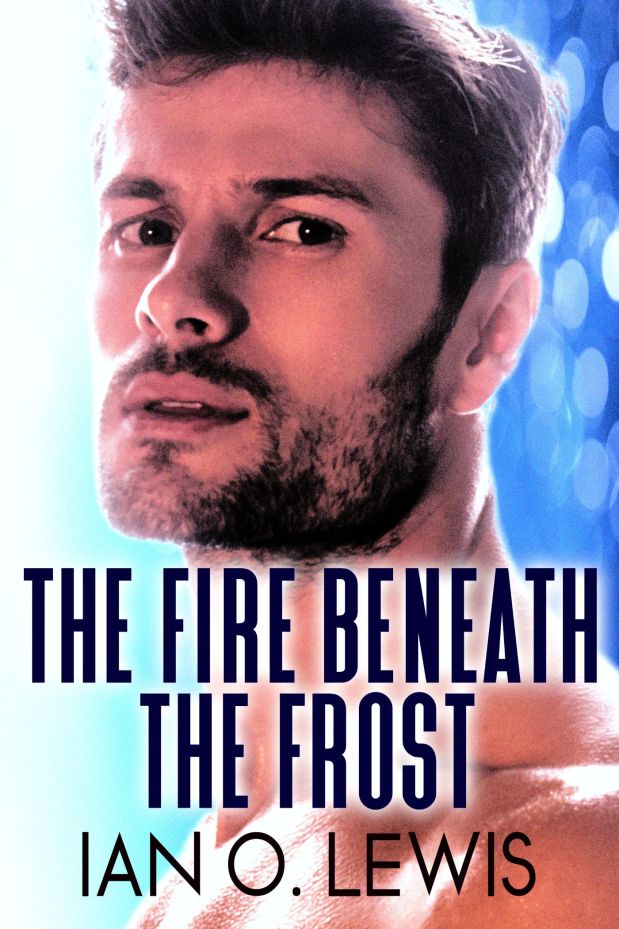
In writing The Fire Beneath the Frost, I kept thinking about how many love stories never got told. Queer people in the Soviet Union were criminalized, brutalized, erased. And yet—they loved. They found ways.
The USSR and LGBTQ Identity: Erasure as Policy
In 1934, Stalin criminalized male homosexuality under Article 121 of the criminal code. It stayed on the books until 1993—two years after the Soviet Union collapsed. Men convicted under this law were imprisoned, often subjected to forced labor, “corrective” rape, and blackmail. It wasn’t just the law—it was the culture. LGBTQ identity was painted as bourgeois deviance or Western corruption. It was considered anti-Soviet to live as your full self.
Women weren’t criminalized in the same way, but not because the USSR was enlightened. Lesbians simply didn’t exist in the official record. The state erased them by pretending they weren’t real—denying visibility, dignity, and identity.
To survive, queer people went underground. Literally, sometimes. Secret clubs. Nicknames. One glance across a room that could change your life—or end it.
Love, Hidden and Burning
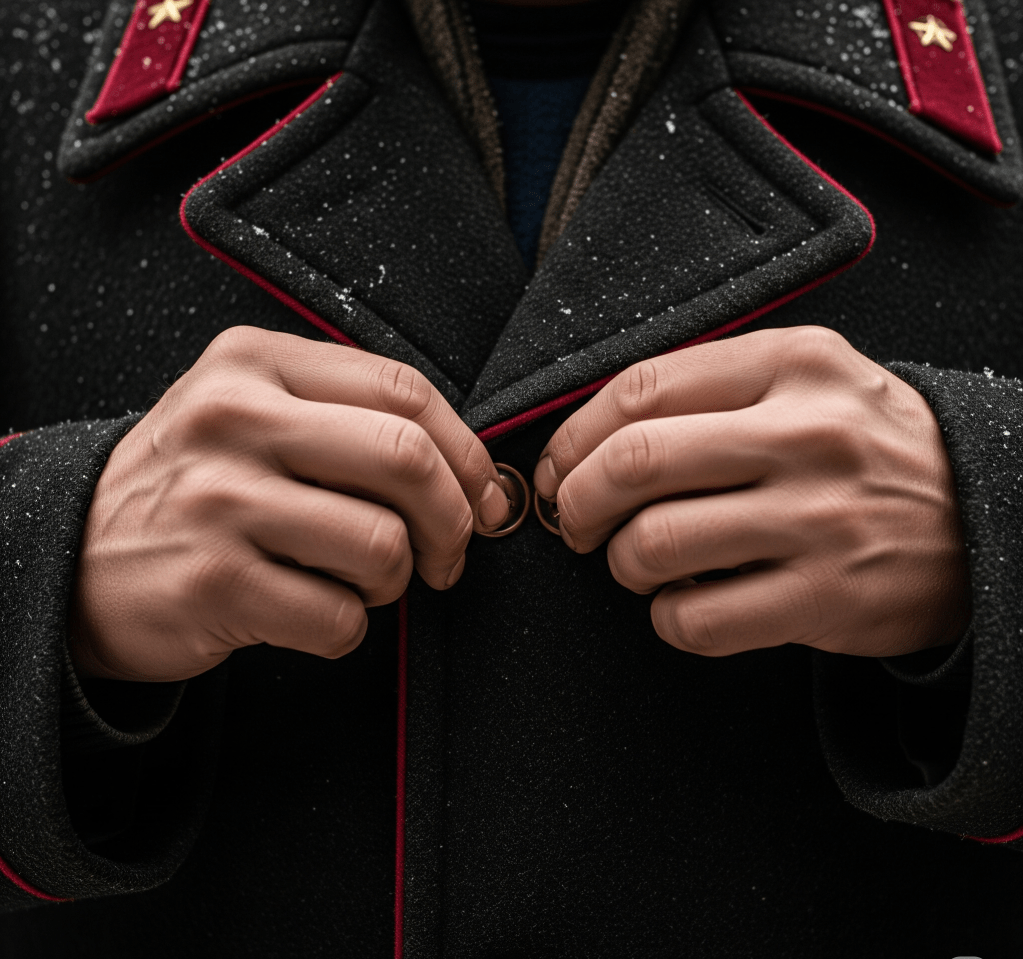
In The Fire Beneath the Frost, Dimitri and Petyr live through the final gasps of the USSR. One is a soldier returned from Afghanistan, broken and trying to find himself. The other is a married man working in a government-run factory, holding secrets behind a smile. They fall in love not in spite of the world they live in—but because of it. They are each other’s breath of freedom.
Their love is tender, messy, forbidden—and absolutely real. Just like the love stories that were never recorded, never spoken of, never celebrated during Soviet times. TFBTF is fiction, but it’s rooted in truth. In the hidden history of our queer elders. In the resilience of love when it has to bloom in the cracks.
Pride as Protest—and as Memory
Pride Month is about more than visibility. It’s about honoring those who couldn’t be visible. Those who had to code their feelings in poetry and posture. Who were arrested, or exiled, or forced into marriages they didn’t want. Who died before they ever got to say, “I love him,” out loud.
And it’s about reclaiming that space. Saying the quiet things boldly. Writing books like The Fire Beneath the Frost, where two Soviet men fall in love, lose each other, and—decades later—find their way back.
Because sometimes Pride means remembering what it took to get here. And who never got to come along.
If You’ve Ever Loved in Silence
This one’s for you.
For the boy who wore his sister’s scarf in the mirror and got slapped. For the girl who married a man because she didn’t see any other way. For the soldier who kissed his lover once, in a snowy alley, and never again. For the artist whose paintings were burned. For the factory worker who felt everything and said nothing.
For all the hidden stories—The Fire Beneath the Frost is a love letter to you.
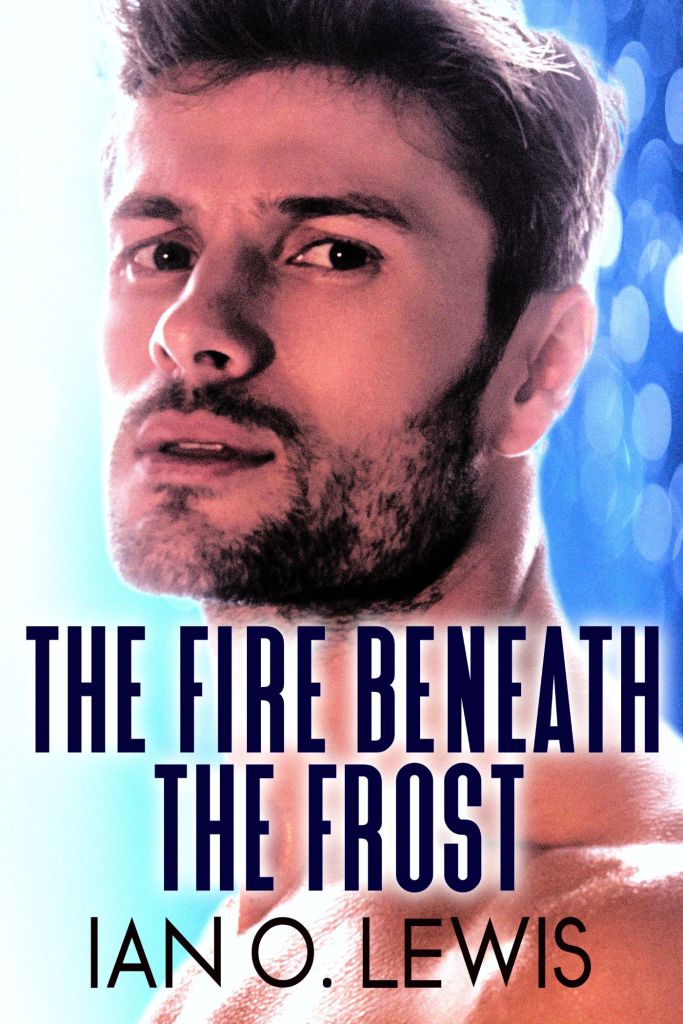
Preorder your copy of The Fire Beneath The Frost today from your favorite online retailer. It releases on 12 June, 2025.
I held out my hand in the dark. The flickering credits lit Dimitri’s face in pulses—white, then shadow, then white again. He stared at my open palm like it might bite him.
I said nothing. I didn’t need to. He understood what I was offering. Not just help from the creaky velvet seat, but something else. A question I couldn’t speak aloud.
After a long second—two, maybe three—Dimitri slid his hand into mine. His skin was warm. Warmer than I expected, and dry like paper in winter. I tightened my grip and lifted him to his feet.
And then I let go.
We shuffled down the narrow aisle with the other filmgoers, coats rustling like dry leaves, boots scraping the cracked tile floor. I kept my hands jammed in my coat pockets, fingers still tingling from that brief, stupid, beautiful contact.
Outside, the cold wrapped around us like a punishment. The night air smelled like burnt coal and wet stone. My breath came out in ghosts. I couldn’t look at Dimitri. Not directly. Not yet.
The streets were mostly empty—too late for commuters, too early for the drunks. A trolley clattered past on the far side of the square, its windows steamed up, casting yellow light like a terrible memory.
I should’ve left it there. Should’ve said goodnight, gone home to a mug of watery tea, and tried to pretend that a man like Dimitri never would have taken my hand in the dark. But I couldn’t stop thinking about what I saw in the restroom earlier.
He was leaning against the cracked porcelain sink, with a cigarette dangling from his lips. Sergei. One of the old guard from Sanctuary. He nodded when he saw me and said nothing—but I knew what that meant.
“Is it still there?” I asked him casually, like I was asking about the price of eggs.
He didn’t answer right away. Just looked at me, eyes sharp. Then: “No. Moved last week. Same password. Bathhouse on Kirochnaya, three blocks from here.”
I barely had time to thank him before he stubbed out the cigarette on the sink and vanished like smoke.
And now here I was, walking with Dimitri, who might ruin everything.
If I was wrong—if I’d imagined the way he looked at me, the way he sat just a little too close in the cinema—then this was suicide.
If I was wrong, he could report me. One anonymous phone call to the wrong party official and I’d disappear like that cigarette smoke. Not just me, either. Every man at Sanctuary, every man who ever trusted me.
I had Vera, thank God. She could say all the right things. She could cry on cue. Our neighbors loved her. She’d never crack.
But if Dimitri ever found out that she and I were fake—just a pair of ghosts in a frame—then I’d be out of alibis. And Vera… she didn’t deserve to go down with me.
I couldn’t tell him. I wouldn’t tell him. If this night led to anything—if it became a story instead of a mistake—I’d tell him Vera didn’t know a thing. I’d lie through my teeth to keep her safe.
We walked in silence. Our boots crunched on the old frost. The bathhouse loomed just a couple of blocks ahead, abandoned by the city but reborn by us. Its windows were dark. Always dark.
Halfway there, Dimitri stopped walking.
“What is Sanctuary?” he asked.
My heart made a noise I didn’t care for. Not a beat, no, something worse. Like a hinge breaking.
I turned toward him. Dimitri looked serious. Not angry. Not frightened. Just… wary. Like someone listening to a song he didn’t know the words to.
And that was the moment. The moment to turn around, to say “Forget it, let’s get a drink,” to laugh it off like it was a joke.
But I looked at him, like I really looked at him. And something in his face, his eyes, maybe, or the way he tilted his chin like he expected pain, made me want to put my hands on his shoulders and promise him everything would be okay. Even if it wouldn’t.
“It’s a club,” I breathed. “A secret one. Very exclusive.”
He frowned. “For what?”
I exhaled, fog billowing between us.
“For men,” I said. “Like ourselves.”
He blinked. “Like—what do you mean?”
I didn’t answer. Just started walking again, slowly. He followed.
I didn’t know if that meant Dimitri understood, or if he just didn’t want to be left alone on the street. Maybe both.
Each step closer to the bathhouse felt like a countdown. To what, I wasn’t sure. Salvation, or exposure. Either way, I’d know by the end of the night.
The old bathhouse loomed like a relic of some forgotten empire, all crumbling stone and ironwork detail blackened by years of soot and cold. The windows had been boarded up long ago, and the glass that remained was warped and yellowed like old teeth.
As we approached, I spotted a man lingering just to the side of the main entrance. Heavy coat, fur hat pulled low, cigarette glowing between his fingers. I knew his face. Mikhail, or maybe it was Milosz—names were slippery here, rarely used.
I nodded once. “Where’s the entrance tonight?”
He didn’t speak, just jutted his chin toward the alley that snaked down the left side of the building.
“Thanks,” I muttered, and led Dimitri down the narrow passageway.
The alley was quiet, shielded from the wind, but no warmer for it. A rusted drainpipe dripped somewhere behind us. Halfway down, we found the door—plain wood, painted gray, with a handle that looked like it had been yanked off an industrial freezer.
I knocked. Once, then twice, then once again. The rhythm, like always.
It opened a crack. A man with sharp cheekbones and a shaven head peered out, face cast in shadow.
“Who sent the invitation?” he asked.
I didn’t hesitate. “The conductor’s baton,” I said.
He nodded, unimpressed. “Two rubles each.”
Of course. I pulled my hand from my pocket and handed him a folded bill. He took it, inspected it like it might be counterfeit, then swung the door open wider and stepped aside.
“Welcome to Sanctuary,” he muttered.
We stepped inside.
The first thing that hit me was the heat. Not just warmth—heat. The kind that made you want to rip off your coat and shirt and skin. It smelled like old steam, sweat, cigarettes, and the ghost of something floral—someone had brought cologne, bless them.
The lights were dim, with low-watt amber bulbs that made everyone look better than they were. The ceilings were high, still arched, like in the days when men came here to sweat out their sins. Cracked tiles lined the floor, and the walls were flaking paint in pastel shades of green and blue.
There were maybe twenty, thirty men. Some milling about in twos and threes, talking in low voices. Others leaned against the walls like they were part of the furniture. At the far end of the room was a bar—more of a table with bottles on it, but it did the job. A mirror hung crookedly behind it, and a fan turned lazily above, doing absolutely nothing.
“I’ll get the first round,” Dimitri said suddenly.
I blinked at him. “What?”
“You paid to get us in.” His jaw was set like he was volunteering for the front line. “Let me get the drinks.”
I didn’t argue.
We approached the bar, and the bartender, a man who looked like he’d lived through several regimes and hated all of them, eyed us with suspicion before grunting. Dimitri ordered vodka. Two shots. The genuine kind, not the potato-flavored turpentine they served in worker bars.
The bartender slammed the glasses down and swept the money away before we could blink.
We took our drinks and started walking. I didn’t lead. I let Dimitri take it in, his eyes darting to the shadows, the alcoves, the archways that once led to changing rooms and now led to secrets.
That was when he stopped.
He froze mid-step. Glass still in hand.
I turned to follow his gaze.
In the far corner, half-hidden behind a concrete column and a threadbare curtain, two men stood very close. One pressed the other against the wall, his hand buried in the other’s hair. Their mouths moved together, slow and hungry, like they had all the time in the world.
Dimitri stared. He didn’t blink. His jaw slackened just slightly.
I said nothing.
The noise of the room fell away. It always did in moments like this, when the rest of the world didn’t matter. Only the breath between us. The beat of a heart. The truth rising up from somewhere too deep to deny.
I took a breath. Held it.
Then, with all the calm I didn’t feel, I reached for his hand.
He didn’t look at me. Not yet. He stared at my hand like it was something that might explode.
Then Dimitri looked up.
His eyes—God, those eyes—widened, not in fear, but in recognition. Something clicked. Some ancient lock deep in his chest finally gave way.
And then, slowly, he slid his hand into mine.
It was warm. Steady.
I wanted to shout out loud and drag him out onto the cracked tile floor and dance until our boots fell apart. I wanted to kiss him right there, just to prove I hadn’t imagined the whole thing. But I didn’t do any of those things.
Instead, I just squeezed his hand.
And for the first time in a long time, I felt like I hadn’t been wrong.
I didn’t say a word as I led him away from the soft murmur of voices and the flickering amber bulbs. Just tightened my grip on his hand and walked, careful not to rush, careful not to let go.
There was a quiet alcove off to the side, half-shielded by an old shower curtain still hanging from a bent rod. The tiles back here were chipped worse than the rest, the air damp with ghostly memories of water and steam. It was far enough from the others to feel hidden, but not so far as to feel dangerous.
We stopped.
I turned to face him, and he looked at me like I had just pulled him underwater. His eyes searched mine, restless, unsure whether to fight or surrender.
We still held our drinks.
“To surviving another week of blankets,” I said, trying for humor, but my voice cracked halfway through.
He blinked. Then nodded, and we both tipped back our vodka. It hit like fire and smoke.
Dimitri lowered his glass and stared at it for a long moment.
Then, in the quietest voice I’d ever heard from him, he asked, “Why did you bring me here?”
His voice trembled. Not with fear, at least not only that, but with something heavier. Hope, maybe. Or a longing that hadn’t yet found a place to land.
I took the glass from Dimitri’s hand and set it down beside mine on the low ledge. Then I stepped forward, into the small pocket of space between us.
He didn’t move.
I reached up, rested my fingers on his jaw, and saw his throat jump as he swallowed.
“Because I couldn’t keep pretending,” I said, my voice low. “I couldn’t stop thinking about what you might taste like.”
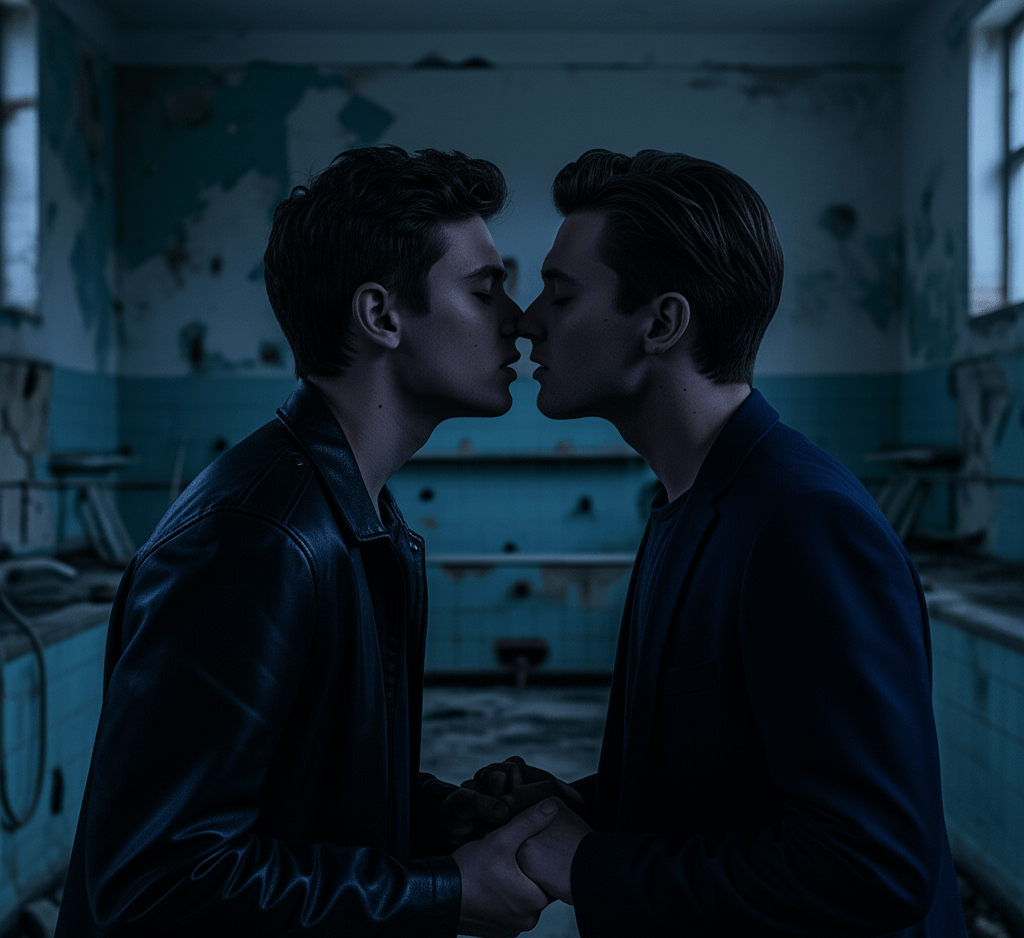
And then I kissed him.
There was no music. No crescendo of violins or clamor of trumpets—just the wet click of our lips and the pounding of my heart, too loud in my own ears.
He gasped into my mouth, like he’d forgotten how to breathe until now.
It wasn’t a perfect kiss. Our noses bumped, and my hand shook a little, and I felt him trembling beneath his coat like a storm just starting. But when he kissed me back, God, when he kissed me back, it was like the world cracked open.
I broke away first, only because I had to. Because if I didn’t, I was going to fall apart right there.
We were both breathing hard. Not like men who had climbed stairs, but like men who’d been holding their breath their whole lives and had finally exhaled.
“This,” I said softly, brushing my thumb against his cheek. “This is why I brought you here.”
Dimitri blinked, dazed. “Because of the kiss?”
I nodded. “Because of everything leading up to it.”
And Dimitri kissed me again.
This time, there was nothing gentle about it. It was hunger and terror, and his hands clutched at my coat like he was afraid I might disappear. I pressed him back against the cold tile wall and gave him everything I had.
We broke apart, panting, eyes locked. Every part of me felt like it was sparking.
There was a pause. Long. Heavy. Beautiful.
Then Dimitri whispered, “What happens next?”
Preorder your copy of The Fire Beneath The Frost from your favorite online bookstore now.
There’s something radical about writing queer romance in a world that doesn’t want it to exist. That’s especially true when the world in question is the crumbling Soviet Union, and the lovers are two men who can barely speak the truth out loud, much less live it.
In The Fire Beneath the Frost, I tell the story of Dimitri and Petyr, two factory workers in late-Soviet Leningrad who fall in love under the grinding weight of silence, shame, and survival. They work side by side producing endless rows of scratchy green wool blankets—function over comfort, just like everything else in their lives. And yet, amid the roar of the looms and the stink of machine oil, something tender takes root. Something dangerous. Something warm.
And then they touch.
Writing high-heat romance in this kind of setting isn’t just a challenge—it’s a statement. These aren’t just sex scenes. They’re acts of defiance. They’re love letters in code. They’re the only time Dimitri and Petyr can fully be themselves in a world that insists they don’t exist.
Queer sex in fiction—especially historical fiction—is often a risky proposition. Too many stories fall into tragedy, where sex becomes a symbol of downfall or shame. But I wanted to do something different in TFBTF. I wanted their intimacy to be a lifeline. A place where they could fall apart and be whole at the same time. Yes, it’s erotic. Yes, it’s explicit. But above all, it’s about survival. Emotional survival. Identity survival. Love, scraped raw and held close like contraband.
There’s one scene I keep coming back to as I write. Something terrible has happened—something Dimitri couldn’t control. And Petyr, understanding exactly what kind of pain Dimitri is carrying, offers himself up. “Take it out on me.” It’s not a simple line. It’s a confession, a dare, and a door flung wide. What follows is sex that teeters on the edge of violence and collapses into safety. It’s beautiful. It’s terrifying. It’s not what they’re supposed to have, but it’s what they do have—and it’s theirs.
Writing these moments isn’t just about heat for heat’s sake. It’s about showing that queer people have always found ways to express love and desire, even when the world is cold, repressive, and watching. It’s about saying that we’ve always been here, burning quietly, even when history tried to bury us under wool and silence.
If that kind of love story speaks to you—if you’ve ever longed for queer romance that aches, that fights, that burns hot against the cold—then I invite you to meet Dimitri and Petyr.
You can preorder your copy of The Fire Beneath the Frost now from your favorite online bookstore. Trust me: their love might be forbidden, but once you feel the heat, you won’t forget it.
If you’ve read any of my books, you know I love a good slow burn. I’ll keep you simmering in longing for 200 pages and then toss in one soul-shattering kiss that knocks your emotional teeth out. But with The Fire Beneath the Frost, I took a different approach.
This one’s hot. Like secret-touching-in-a-factory-bathroom-while-the-USSR-collapses hot.
Yeah. That kind of heat.
Why turn up the temperature?
Because repression demands release. The Fire Beneath the Frost is about two men—Dimitri and Petyr—living under one of the most brutally anti-queer governments in modern history. Every glance is risky. Every touch is treason. So when they do give in to their desire, it’s not just sex—it’s defiance. It’s freedom. It’s the only language they have left to say, “I see you. I want you. I won’t let this world erase you.”
There’s a pivotal moment halfway through the book (you’ll know it when you read it) where the sex is rough, desperate, and almost violent—not because they want to hurt each other, but because they’re both hurting so much. Writing that scene tore me open. But I needed to show that intimacy can be messy, painful, and still sacred.
Is this romance… or erotica?
Honestly? It’s both. There are multiple sex scenes in this book—more than I usually write—and every single one is emotionally significant. They move the story forward. They reveal something new about the characters. They aren’t just for spice (though let’s be real, the spice is chef’s kiss).
If you’re here for high-heat with heart, this book is for you. If you’ve ever felt like queer desire is something to be hidden, shamed, or swallowed, this book might make you cry a little. (It made me cry a lot while writing it.)
TL;DR:
The Fire Beneath the Frost isn’t just a love story. It’s about survival. It’s about the kind of love that burns bright, even when everything around it is frozen. And yes, it’s sexy as hell.
Preorder is live now. Come meet Dimitri and Petyr. Bring tissues. And maybe a fan and a pair of oven mitts to hold your kindle. 😘
Preorder your copy of The Fire Beneath The Frost today from your favorite online bookstore!
Interviewer: Austin, thank you for taking the time to talk to me today. Not everyone gets the chance to hear directly from an inmate at Blackwood Prison—especially one with your background.
Austin Page: (chuckles) My pleasure. Not much else to do in here besides read, write, and, well… think. A lot of thinking.
Interviewer: Let’s start with the obvious. You were a professor before you ended up here. That’s quite a leap. Can you tell us how you landed in prison?
Austin Page: (smiling) Now, that’s the million-dollar question, isn’t it? Let’s just say… love makes you do things you never thought you would.
Interviewer: That’s a bit vague.
Austin Page: (shrugs) Some things are better left unsaid. But I will say this—when you love someone the way I do, the rest of the world fades away. Consequences, reason, even fear. None of it matters.
Interviewer: You’re talking about Mario Cruz.
Austin Page: Of course I am. (soft laugh) Who else? Mario is—he’s the kind of man who shouldn’t need saving, but if he ever did, I’d throw myself into the fire without a second thought. He’s hard, rough around the edges, but there’s something in him… something raw and real. He doesn’t lie. He doesn’t pretend. He’s the first person I’ve ever met who sees me—not just as some soft-spoken professor, but as a man willing to fight for what I love. And I do. Every day.
Interviewer: What was it about Mario that drew you to him?
Austin Page: (smirks) Is ‘everything’ an acceptable answer? Look, I know what people think. That I’m some naive fool with a penchant for bad boys, that I threw my life away for someone who wouldn’t do the same for me. But they don’t know him. Not like I do. Mario doesn’t say much, but when he looks at me—really looks at me—I know I belong to him. And he belongs to me.
Interviewer: That sounds… intense.
Austin Page: Love is intense. If it isn’t, what’s the point?
Interviewer: So, to clarify—you didn’t end up in prison because of Mario?
Austin Page: (pauses) I ended up here because of my choices. And I’d make them again. No regrets.
Interviewer: But what were those choices, exactly?
Austin Page: (grins) You ask a lot of questions, you know that?
Interviewer: It’s kind of my job.
Austin Page: (leans forward) And mine is to keep a few secrets.
Interviewer: Fair enough. Final question—if you could go back, would you change anything?
Austin Page: (softly) No. Because in the end, every road, every decision, every damn mistake led me to him. And that? That’s worth everything.
Interviewer: Thank you, Austin.
Austin Page: Anytime. Just don’t expect all the answers.
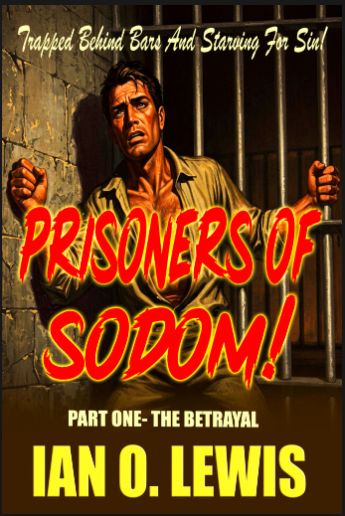
The first episode of the Prisoners Of Sodom serial is now available for purchase exclusively at the Cruz Publishing bookstore. It will soon be available on other online bookstores.
I stared at Hugh for a long moment, the weight of his question settling between us like an anchor. Then, with a clipped tone, I answered, “No.”
“Then why is he still your agent?” Hugh narrowed his eyes. His voice was calm but pointed, his eyes sharp with curiosity. “Because from where I’m standing, it looks like you can’t stand the man.”
I exhaled heavily, pressing my fingers against my temple before shutting my eyes briefly. The past felt like a tangled thread in my mind, one I had no desire to unravel, but since we were stuck in this motel room, I felt like I didn’t have a choice but to answer. When I opened my eyes again, I let out a resigned sigh and began.
“When I sold my first book, Marcus was the obvious choice to be my agent. Or at least, that’s what everyone told me. He was already wildly successful—representing some of the biggest names in literary fiction. I was no one. Just a kid who had poured his cynicism and heartbreak into a novel, hoping someone might take notice. And somehow, he did. It shocked me. I couldn’t understand why someone at his level would even bother with me.”
I ran a hand through my hair, feeling the familiar prickle of old shame crawling up my spine. “A few weeks after he signed me, he hit on me. I, well, didn’t say no.”
Hugh’s expression didn’t change, but I could tell he was listening carefully. I forced myself to keep going. “Marcus was attractive enough, I guess, but that wasn’t really the point. He was powerful. He could take my career and catapult it to heights I never imagined. So I went along with it. We started dating, and then—” I swallowed hard. “Then it became something more.”
Hugh shifted slightly, the movement small but perceptible. His voice was quieter when he asked, “Were you ever in love with him?”
I grimaced, the question landing like a blow to the ribs. My jaw tightened, and I looked away. A muscle in my cheek twitched as I forced out the words, low and unconvincing. “Yes, I think?”
I let out a harsh laugh, the sound grating against my own ears. “I don’t know. Maybe I convinced myself I was, because it made the whole thing easier to swallow. The truth is, I was using him. And he was using me right back.”
Hugh’s gaze remained steady, his expression unreadable. “So what changed?”
I felt my shoulders sag, the weight of the past bearing down on me. “I did. Or at least, I tried to. After my fifth book hit the bestseller list, I felt like I had some leverage. Like maybe I didn’t need Marcus as much as I thought I did. So I ended things.”
“And he didn’t take it well.” It wasn’t a question.
I shook my head, a bitter smile twisting my lips. “No, he didn’t. He made it clear he could destroy my career just as easily as he’d built it up. Said he’d blacklist me with every publisher in the industry if I didn’t toe the line.”
Hugh’s brow furrowed, a flicker of anger passing over his features. “So you stayed with him.”
“Not like that,” I clarified quickly. “But I kept him on as my agent, yeah. I didn’t have a choice. He had all the power, and he knew it.”
I suddenly felt exhausted. “And now, here I am. Still tied to him, even after everything. It’s pathetic.”
Hugh was silent for a long moment, his eyes searching my face. When he finally spoke, his voice was soft but firm. “It’s not pathetic. It’s survival. You did what you had to do.”
I met his gaze, something in my chest loosening at the understanding I saw there. “Maybe. But it doesn’t feel like living.”
Hugh leaned forward, his elbows resting on his knees. “So change it. You’re not that struggling writer anymore, and you’re not alone. You have options.”
I huffed out a breath, shaking my head. “It’s not that simple.”
“No,” Hugh agreed, “but it’s not impossible either. You just have to decide what you want, and then fight like hell for it.”
I stared at him, my mind spinning with the possibilities. Could I really do it? Could I break free from Marcus, once and for all? The thought was terrifying, but also strangely exhilarating.
“I don’t know if I’m strong enough,” I admitted, my voice barely above a whisper.
Hugh’s hand reached out, his fingers brushing against mine. “You are. And if you ever doubt it, just remember – you’ve got me in your corner.”
I looked down at our hands, a small smile tugging at the corners of my mouth. For the first time in a long time, I felt a flicker of hope. Maybe Hugh was right. Maybe I could change my story, after all.
Hugh’s hand slid fully into mine, our fingers intertwining. The warmth of his touch sent a shiver down my spine, and I found myself unable to look away from the sight of our joined hands. My pulse quickened, a fluttering sensation taking root in my stomach.
Hugh leaned in closer, his breath warm against my cheek as he whispered, “Donovan, there’s something I need to tell you.”
I swallowed hard, my mouth suddenly dry. The air between us felt charged, electric with a tension that had been building since the moment we’d met. I forced myself to meet his gaze, my voice barely audible as I asked, “What is it?”
Hugh’s eyes searched mine, a mix of vulnerability and determination swirling in their depths. “I… I have feelings for you, Donovan. Genuine feelings. The kind that keep me up at night, wondering what it would be like to hold you, to kiss you, to be with you in every way possible.”
My breath caught in my throat, my heart pounding so loudly I was sure he could hear it. I’d suspected, hoped even, that there was something more between us than just our working together. But to hear him say it out loud, to have him confirm what I had been too afraid to acknowledge… it was overwhelming.
I opened my mouth to speak, but no words came out. Instead, I squeezed his hand tighter, hoping the gesture would convey everything I couldn’t say.
Hugh’s lips curved into a small smile, his thumb brushing gently across my knuckles. “I know this is complicated. I know you’re still dealing with the fallout from Marcus, and the last thing I want to do is pressure you or make things harder for you. But I couldn’t keep pretending that what I feel for you isn’t real.”
I nodded slowly, my mind racing with a thousand thoughts and emotions. Part of me wanted to pull away, to run from the intensity of what was happening between us. But a bigger part of me, the part that had been drawn to Hugh from the very beginning, wanted to lean in, to close the distance between us and see where this could go.
“Hugh, I…” I started, my voice trembling slightly. “Don’t think for one second I don’t have feelings for you too. But I wonder if it’s right to pursue anything with you.”
Hugh’s eyebrows drew together. “Why?”
I took a deep breath, trying to steady the pounding of my heart. “Because, Hugh… I’m your boss. And after everything that happened with Marcus, the last thing I want is to repeat the same mistakes. To let a power imbalance cloud my judgment, or worse, to make you feel you don’t have a choice.”
Hugh’s eyes widened, a flicker of surprise crossing his features. But then his expression softened, and he reached up to cup my cheek with his free hand. His touch was gentle, almost reverent, and I found myself leaning into it despite my reservations.
“Donovan,” he murmured, “You’re nothing like Marcus. You would never abuse your position or take advantage of me. I know that with every fiber of my being.”
I wanted to believe him. God, how I wanted to believe him. But the scars from my past ran deep, and I couldn’t shake the fear that history might repeat itself.
“How can you be so sure?” I whispered, my voice cracking slightly. “How do you know I won’t hurt you, even if I don’t mean to?”
Hugh’s thumb brushed lightly across my cheekbone, tracing the line of my jaw. “Because I know you, Donovan. And you’d never hurt me on purpose.”
Tears pricked at the corners of my eyes. “I’m scared, Hugh,” I admitted, my voice barely above a whisper. “Scared of messing this up, of losing you, of getting hurt again. I don’t know if I’m strong enough to take that risk.”
Hugh’s hand slid from my cheek to the back of my neck, his fingers threading gently through my hair. “You don’t have to be strong enough on your own, Donovan. We can be strong together. We can take this one day at a time, figure it out as we go. All I know is that I want to be with you in whatever way you’ll have me.”
I stared at him, my heart swelling with fear and longing. Every instinct I had was telling me to pull away, to protect myself from the potential heartbreak that loomed on the horizon. But as I looked into Hugh’s eyes, I saw a future there that I couldn’t ignore.
Taking a deep, shuddering breath, my decision crystallized in my mind. Slowly, I leaned forward, closing the remaining distance between us until our foreheads were touching, our noses brushing lightly against each other.
“I want this, Hugh,” I breathed, my voice trembling but certain. “I want you. I’m terrified, but I’m also tired of letting my fear control me. I’m tired of living half a life, always holding back, always wondering what could have been.”
Hugh’s eyes shimmered with emotion. “Then let’s be brave together,” he murmured, his lips hovering just a hairsbreadth from mine. “Let’s take the leap and see where we land.”
And with that, he closed the gap between us, his lips meeting mine in a kiss that was both gentle and searing. I melted into him, my hands coming up to tangle in his hair as his arms wrapped around my waist, pulling me closer until there was no space left between us.
In that moment, everything else fell away – the doubts, the fears, the ghosts of my past that had haunted me for so long. All that mattered was Hugh, and the way he made me feel alive in a way I hadn’t been in years.
As we broke apart, breathless and flushed, I couldn’t help the grin that spread across my face. Hugh mirrored my expression, his eyes sparkling with a mix of joy and wonder.
“That was…” he started, his voice low and slightly hoarse.
“Amazing,” I finished for him, my heart still racing in my chest. “Absolutely amazing.”
Hugh grinned, his hand sliding up to cup my cheek again. “I was going to say life-changing, but amazing works, too.” He leaned in, capturing my lips once more in a kiss that quickly turned heated. I parted my lips, inviting his tongue deeper inside me as my hands roamed over his back and shoulders, feeling the lean muscles beneath his shirt.
Without breaking the kiss, Hugh gently pushed me back onto the bed, his body covering mine as his weight settled between my thighs. I gasped at the contact, my hips arching up instinctively to meet his. Hugh groaned softly into my mouth, one hand sliding down my side to grip my hip.
“Donovan,” he breathed against my lips, his voice rough with desire. “Tell me you want this. Tell me it’s okay.”
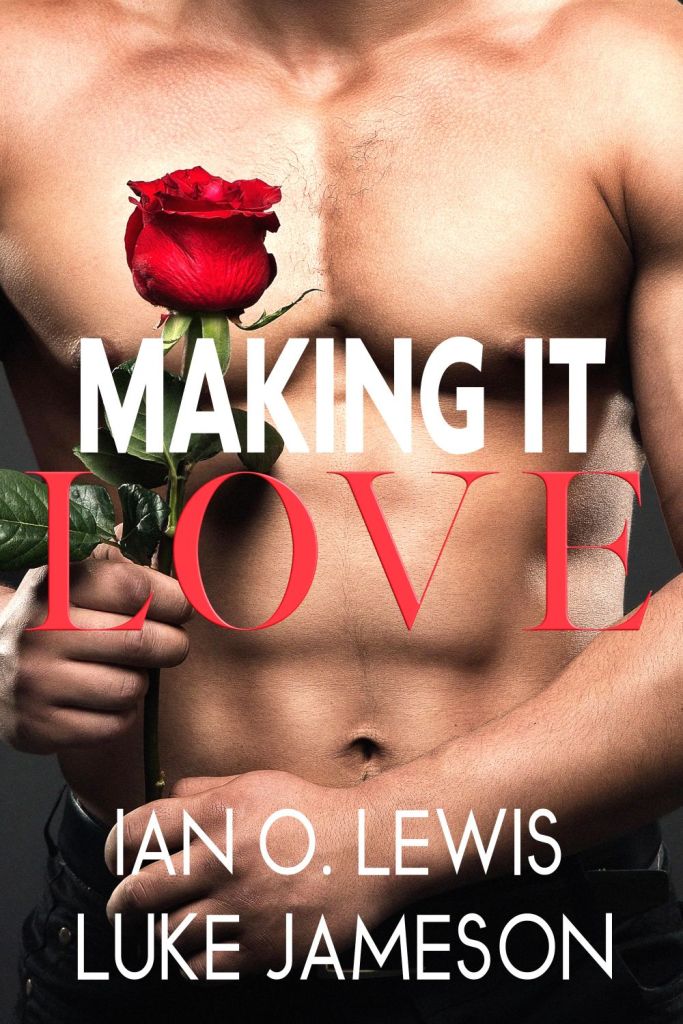
Making It Real is the first full-length novel in the Making It Series. It’s available exclusively at my personal bookstore Cruz Publishing for the next week. To read it now, check out my bookstore!





 Ian O. Lewis and Luke Jameson