

Every June, we celebrate Pride—not just love, but resistance, survival, and the ongoing fight to be seen. For many of us, Pride is glitter and parades. But for others—especially in history—it was silence, code words, and stolen moments in the dark.
In writing The Fire Beneath the Frost, I kept thinking about how many love stories never got told. Queer people in the Soviet Union were criminalized, brutalized, erased. And yet—they loved. They found ways.
The USSR and LGBTQ Identity: Erasure as Policy
In 1934, Stalin criminalized male homosexuality under Article 121 of the criminal code. It stayed on the books until 1993—two years after the Soviet Union collapsed. Men convicted under this law were imprisoned, often subjected to forced labor, “corrective” rape, and blackmail. It wasn’t just the law—it was the culture. LGBTQ identity was painted as bourgeois deviance or Western corruption. It was considered anti-Soviet to live as your full self.
Women weren’t criminalized in the same way, but not because the USSR was enlightened. Lesbians simply didn’t exist in the official record. The state erased them by pretending they weren’t real—denying visibility, dignity, and identity.
To survive, queer people went underground. Literally, sometimes. Secret clubs. Nicknames. One glance across a room that could change your life—or end it.

Love, Hidden and Burning
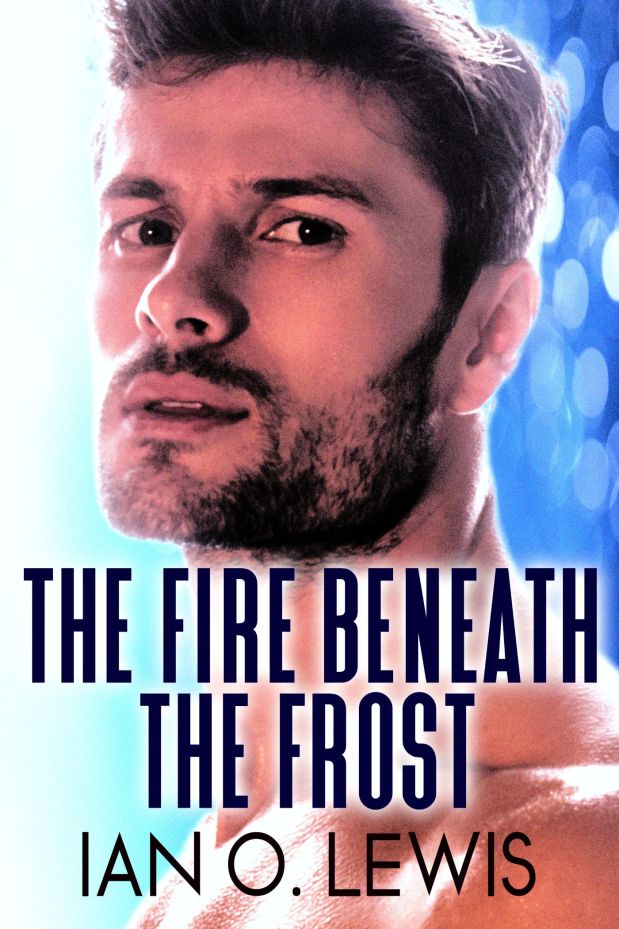
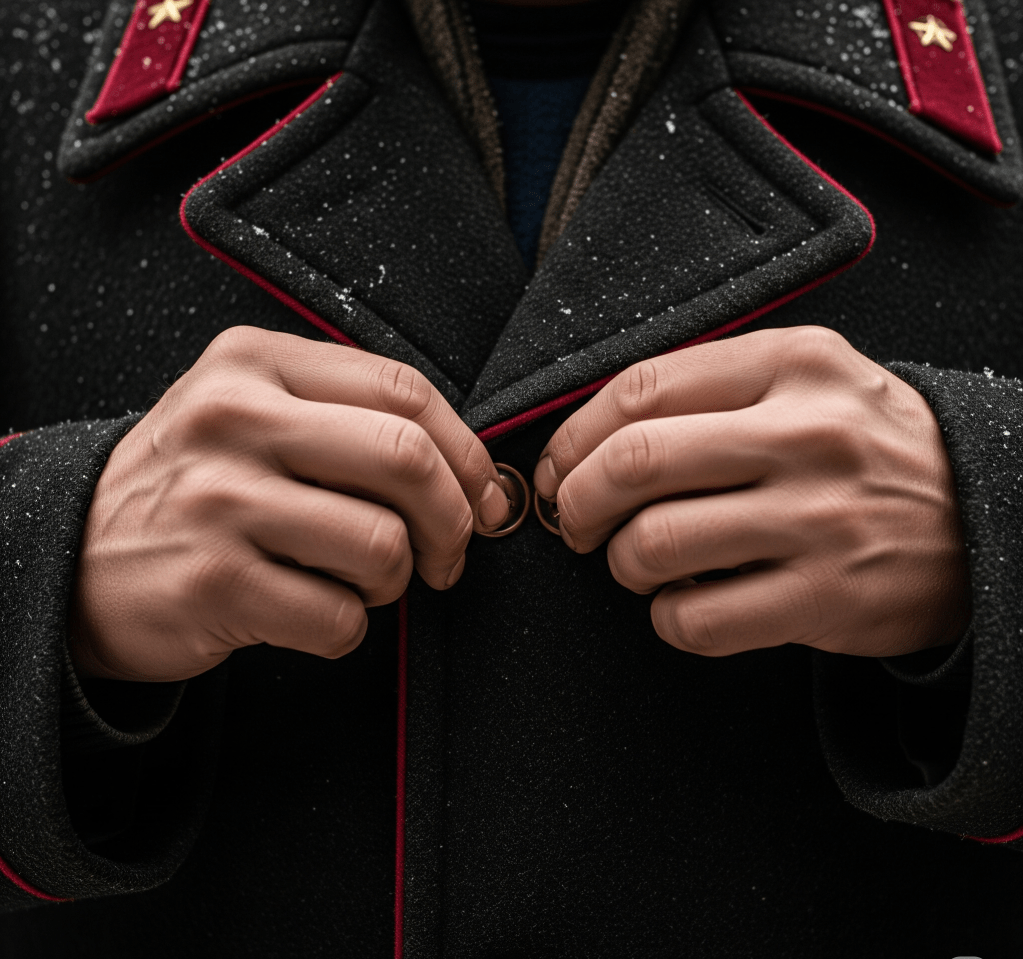
In The Fire Beneath the Frost, Dimitri and Petyr live through the final gasps of the USSR. One is a soldier returned from Afghanistan, broken and trying to find himself. The other is a married man working in a government-run factory, holding secrets behind a smile. They fall in love not in spite of the world they live in—but because of it. They are each other’s breath of freedom.
Their love is tender, messy, forbidden—and absolutely real. Just like the love stories that were never recorded, never spoken of, never celebrated during Soviet times. TFBTF is fiction, but it’s rooted in truth. In the hidden history of our queer elders. In the resilience of love when it has to bloom in the cracks.
Pride as Protest—and as Memory
Pride Month is about more than visibility. It’s about honoring those who couldn’t be visible. Those who had to code their feelings in poetry and posture. Who were arrested, or exiled, or forced into marriages they didn’t want. Who died before they ever got to say, “I love him,” out loud.
And it’s about reclaiming that space. Saying the quiet things boldly. Writing books like The Fire Beneath the Frost, where two Soviet men fall in love, lose each other, and—decades later—find their way back.
Because sometimes Pride means remembering what it took to get here. And who never got to come along.

If You’ve Ever Loved in Silence
This one’s for you.
For the boy who wore his sister’s scarf in the mirror and got slapped.
For the girl who married a man because she didn’t see any other way.
For the soldier who kissed his lover once, in a snowy alley, and never again.
For the artist whose paintings were burned.
For the factory worker who felt everything and said nothing.
For all the hidden stories—The Fire Beneath the Frost is a love letter to you.
Preorder your copy of The Fire Beneath The Frost today from your favorite online retailer. It releases on 12 June, 2025.

 Ian O. Lewis and Luke Jameson