
An Interview with Maxwell “Max” Coleman: RVA’s Food Critic on Flavor, Recovery, and Rebirth

As the heart of Richmond’s culinary scene continues to beat stronger than ever, it’s hard to ignore one of the city’s rising stars in food journalism, Maxwell “Max” Coleman. A food blogger with a loyal following and a discerning palate, Max has made waves not just for his honest takes on local cuisine but for his own deeply personal journey of healing and transformation. Today, I sat down with Max to talk about food, life, and what’s next for this talented writer as he makes RVA his new home.

Q: Max, first of all, welcome to RVA! You’ve made quite a name for yourself in the food world, but before we get into all of that, let’s talk about your decision to move to Richmond. Why now, and why here?

Max Coleman: Thanks! Richmond has always had a special place in my heart. It’s not just the food scene, although that’s a big part of it. After everything I went through—recovering from my injuries, dealing with addiction, and getting back on my feet—I wanted a fresh start. RVA is close to where I grew up in Norfolk, but it also gives me the chance to carve out something new, you know? Plus, there’s just so much happening here in terms of food and culture, I couldn’t resist.

Q: You mentioned your recovery, and I know that’s a big part of your story. Can you share a little more about that journey?

Max Coleman: Yeah, it’s definitely been a wild ride. After the Unite The Right protest in Charlottesville where I got injured, things took a dark turn for me. The physical pain was one thing, but the emotional toll—that’s what really hit me. I got caught up in prescription pills, which started out as a way to manage the pain but became something much more destructive. There were moments I didn’t know if I’d make it out, to be honest.

But food became my lifeline. Writing about food, photographing it, experiencing it—it gave me something positive to focus on. It’s strange to say, but in a way, food saved me. That’s why I’m so passionate about it. It’s more than just a meal for me; it’s part of my healing.

Q: That’s powerful, Max. How has your personal journey shaped the way you approach food blogging?

Max Coleman: It’s all about being present for me. I used to be the guy who’d chase the next big trend, but now, I’m more interested in stories—both on the plate and behind it. Food is an expression of culture, of history, of love, and sometimes, even of pain. I like to dig deep into that, into why a chef chooses certain ingredients or why a dish matters to a community. And that’s why I focus so much on local chefs and hidden gems—there’s a richness to be found in the stories behind the food.

Q: Speaking of your blog, it’s been growing steadily! What’s next for you in terms of content creation and the overall direction of your platform?

Max Coleman: Oh man, I’ve got some exciting things in the works. I just moved into this amazing loft in Shockoe Bottom, and part of why I’m here is to take my blog and my videos to the next level. I’ve been doing all the filming and editing myself, but now I’m working with a professional videographer based in Church Hill. This woman knows her stuff—she’s going to help me create some really dynamic video content that captures not just the food, but the entire dining experience.

I want to highlight more of the “unseen” parts of the culinary world. Like, what goes into prepping for a pop-up? What does a chef feel in the moments before service? I want my readers—and viewers—to get that behind-the-scenes look.

Q: It sounds like there’s a lot on the horizon. Do you have any advice for aspiring food writers, especially those who may be struggling with personal challenges?

Max Coleman: My biggest piece of advice? Don’t give up on yourself. I know that sounds cliché, but it’s true. When I was at my lowest, I didn’t see a way forward, but there was one—I just had to keep moving, even when it felt impossible. Whether you’re dealing with addiction, mental health struggles, or even just the day-to-day grind, it’s okay to take things one step at a time.

And when it comes to food writing specifically—stay curious. Always. There’s always something new to learn, a new flavor to discover, or a new story to tell. That’s what keeps me going, even on the tough days.

Q: Final question—if you could only eat one dish for the rest of your life, what would it be?

Max Coleman (laughing): Oh, that’s cruel! But okay, if I had to choose—it’d be tacos. There’s just so much you can do with them, and they’re a perfect balance of flavor, texture, and creativity.

Read Electric today and get to know Max and Daniel, and how love mends what life has broken. Electric is available at Amazon, Apple Books, Google Play, Kobo, Nook, and Smashwords.


Electric Recipes!

Cooking has always been a passion of mine, and I believe that food has a unique way of bringing people together. In Electric, Daniel and Max bond over the flavors and traditions of Mexican cuisine, and I wanted to share that experience with you. Mexican food is so much more than tacos and burritos; it’s a celebration of vibrant ingredients, rich history, and deep-rooted family traditions.

Throughout the novel, you’ll find characters savoring dishes that evoke warmth and connection, and I hope these recipes will inspire you to create your own culinary memories. Whether it’s a comforting bowl of pozole or the zesty kick of fresh guacamole, these recipes will allow you to experience the essence of Mexican cooking and feel the love that goes into every dish.

So, roll up your sleeves, gather your ingredients, and enjoy the journey into the heart of a cuisine that’s as colorful and dynamic as the stories of those who cherish it. Oh, and since Amazon is having Prime Day Deals right now, I’ll link to certain products that are on sale so you too can make authentic Mexican food. Happy cooking!

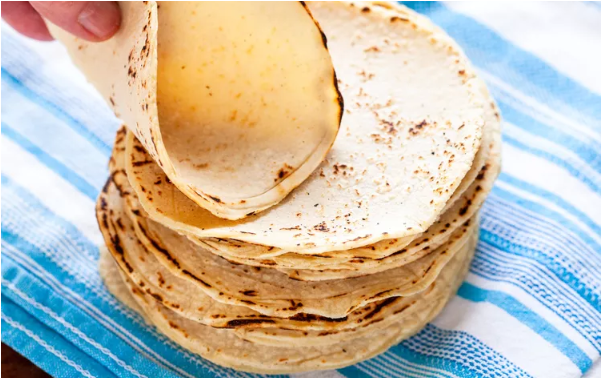
Homemade Corn Tortillas

Let’s talk about one of the most essential staples of Mexican cuisine: corn tortillas. When made right, these little wonders can elevate any meal, whether you’re wrapping them around your favorite fillings or using them to scoop up delicious salsas. Trust me, once you try these homemade tortillas, you’ll never want to go back to those sad, store-bought versions.

Ingredients:

  • 2 cups masa harina (this is a special corn flour; don’t substitute with regular flour!)
  • 1/2 teaspoon salt
  • 1 1/4 cups warm water (plus a little more if needed)

Instructions:

  1. Mix It Up: In a mixing bowl, combine the masa harina and salt. Gradually add the warm water, mixing it with your hands or a wooden spoon until a soft dough forms. If the dough feels too dry, add a bit more water, a tablespoon at a time. You want it to be pliable and not sticky.
  2. Rest It: Cover the dough with a damp cloth and let it rest for about 30 minutes. This step is crucial as it helps the masa hydrate and makes rolling easier.
  3. Shape the Tortillas: Divide the dough into small balls—about the size of a golf ball. If you have a tortilla press, you’re in luck! Place one ball of dough between two pieces of plastic wrap (or parchment paper) and press down until it’s flat. If you don’t have a press, you can use a rolling pin. Just roll the dough out between the plastic sheets until it’s about 1/8 inch thick.
  4. Cook ‘Em Up: Heat a cast-iron skillet or non-stick pan over medium-high heat. Place one tortilla in the hot skillet and cook for about 30 seconds, or until you see bubbles forming. Flip it over and cook for another 30 seconds. You want them to be lightly browned and cooked through. Don’t worry if they puff up—that’s a good sign!
  5. Keep Warm: Remove the tortillas from the skillet and place them in a clean kitchen towel to keep warm while you cook the rest.
  6. Enjoy: Serve them fresh with your favorite fillings—tacos, quesadillas, or even just a sprinkle of salt and a squeeze of lime. Trust me, the difference in taste will be mind-blowing!

And there you have it! Simple, homemade corn tortillas that can take your meals to the next level. I can’t wait for you to try them. As I said above, if you don’t have a tortilla press you can use a rolling pen. But if you want to give a tortilla press a try, this one is currently 20% off on Amazon! Also, if you can’t find Masa Harina, which is the special corn flour used to make tortillas, you can buy some on Amazon by clicking here.

Mole Poblano

Mole Poblano is one of those dishes that warms the soul. It’s not just a sauce; it’s a celebration of flavors and traditions. With its blend of spices, chocolate, and chiles, this mole is a delicious experience that can transform chicken, enchiladas, or even just a bowl of rice into something extraordinary. It’s thought to have originated with a group of nuns. The recipe is complex, but totally worth the effort.

Ingredients:

  • 3 dried ancho chiles
  • 3 dried guajillo chiles
  • 1 dried pasilla chile
  • 2 tablespoons vegetable oil
  • 1 medium onion, chopped
  • 4 cloves garlic, minced
  • 1 teaspoon ground cumin
  • 1 teaspoon ground cinnamon
  • 1/2 teaspoon ground cloves
  • 1/2 teaspoon black pepper
  • 1/4 teaspoon allspice
  • 1 can (14 oz) diced tomatoes (or 4 fresh roasted tomatoes)
  • 2 tablespoons almond butter (or crushed almonds)
  • 2 ounces dark chocolate (70% or higher, chopped)
  • 2 tablespoons sugar (or to taste)
  • Salt to taste
  • 4 cups chicken or vegetable broth
  • 1 tablespoon apple cider vinegar

Instructions:

  1. Prepare the Chiles: Start by removing the stems and seeds from the dried chiles. In a dry skillet over medium heat, toast the chiles for about 1-2 minutes until they’re fragrant. Be careful not to burn them! Once toasted, transfer them to a bowl and cover them with hot water. Let them soak for about 15 minutes until softened.
  2. Sauté the Aromatics: In a large pot, heat the vegetable oil over medium heat. Add the chopped onion and sauté until translucent, about 5 minutes. Then, add the minced garlic and cook for another minute until fragrant.
  3. Blend It All Together: Drain the chiles and place them in a blender or food processor. Add the sautéed onion and garlic, along with the cumin, cinnamon, cloves, black pepper, allspice, tomatoes, almond butter, and a pinch of salt. Blend until smooth. You may need to add a little bit of chicken or vegetable broth to help it blend.
  4. Cook the Mole: Pour the blended mixture back into the pot and add the remaining broth. Bring it to a simmer over medium heat. Stir in the chopped dark chocolate, sugar, and apple cider vinegar. Let it cook for about 30-40 minutes, stirring occasionally, until it thickens and the flavors meld together.
  5. Taste and Adjust: Taste your mole and adjust the seasoning with more salt or sugar as needed. Remember, mole should have a balance of flavors—sweet, spicy, and savory.
  6. Serve: Serve your Mole Poblano over cooked chicken, enchiladas, or even alongside rice. Garnish with toasted sesame seeds if you’d like. This sauce is the perfect way to elevate any dish and is sure to impress your friends and family.

There you have it—a rich, flavorful Mole Poblano recipe that will fill your kitchen with amazing aromas and bring a taste of Mexico right to your table. Enjoy the process, and I can’t wait to hear how it turns out for you! 

By the way, cooking Mole Poblano is a bit time consuming, and many people here in Mexico will buy it premade. This is the brand of premade mole I see the most here, and I’ve bought it myself. It’s by Dona Maria, and it’s on sale at Amazon.

Agua Frescas

Next I’m sharing with you something I make several times a week. Agua Frescas are refreshing and versatile drinks that capture the essence of summer, and you can whip them up easily with just a few ingredients. Here’s a simple recipe for Agua Fresca de Limón (Lemon Water), perfect for hot days or whenever you need a refreshing pick-me-up.

Agua Fresca de Limón

This bright and zesty drink is a staple in Mexico. It’s not just delicious, but also incredibly easy to make. Plus, it’s a fantastic way to cool down, and you can adjust the sweetness to your liking. Max and Daniel would likely enjoy this as they relax together. Oh, and if you prefer the taste of limes you can substitute those for the lemons.

Ingredients:

  • 4 large lemons (juiced, about 1 cup of juice)
  • 4 cups cold water
  • 1/2 to 3/4 cup sugar (adjust based on your taste)
  • Ice (for serving)
  • Fresh mint leaves (optional, for garnish)

Instructions:

  1. Juice the Lemons: Start by juicing your lemons until you have about 1 cup of lemon juice. Make sure to remove any seeds—nobody wants those in their drink!
  2. Mix It Up: In a large pitcher, combine the lemon juice, cold water, and sugar. Stir well until the sugar dissolves completely. If you prefer a less sweet drink, start with 1/2 cup of sugar and adjust according to your taste.
  3. Chill and Serve: Let the agua fresca sit in the fridge for about 30 minutes to chill. Serve it over ice in tall glasses, and if you’re feeling fancy, garnish with fresh mint leaves for a pop of color and flavor.
  4. Enjoy: Sip slowly and relish the refreshing taste of this simple yet delightful drink. It’s perfect for any gathering or just a quiet afternoon at home.

And there you have it! A quick and easy recipe for Agua Fresca de Limón that anyone can make. Whether you’re hosting a summer BBQ or just need a refreshing beverage, this drink is sure to impress. Plus, it captures the vibrant flavors that make Mexican cuisine so special! Next is another Agua Fresca I make at home regularly.

Agua Fresca de Sandía

This vibrant drink is a hit at summer gatherings and is sure to remind you of those long, sunny days. Max and Daniel would love sharing a pitcher of this together, perhaps reminiscing over their favorite summer memories.

Ingredients:

  • 4 cups of ripe watermelon (seeded and cubed)
  • 4 cups cold water
  • 1/4 to 1/2 cup sugar (to taste)
  • Juice of 1 lime (optional, for added zest)
  • Ice (for serving)
  • Lime slices or mint leaves (optional, for garnish)

Instructions:

  1. Blend the Watermelon: In a blender, combine the watermelon cubes and 1 cup of cold water. Blend until smooth. If you prefer a pulp-free drink, you can strain the mixture through a fine-mesh sieve into a pitcher.
  2. Mix the Ingredients: Add the remaining 3 cups of cold water to the watermelon juice. Stir in the sugar, starting with 1/4 cup and adjusting to your taste. If you want a little extra zing, add the juice of one lime.
  3. Chill and Serve: Let the agua fresca chill in the refrigerator for at least 30 minutes. Serve over ice in tall glasses and garnish with lime slices or mint leaves for a refreshing touch.
  4. Enjoy: Take a sip and let the refreshing taste of watermelon wash over you. This drink is not just delicious; it’s a reminder of the vibrant flavors of Mexico!

There you go! A simple and refreshing Agua Fresca de Sandía that will surely be a crowd-pleaser. It’s perfect for any occasion and captures the essence of summer! 

Agua Fresca de Jamaica

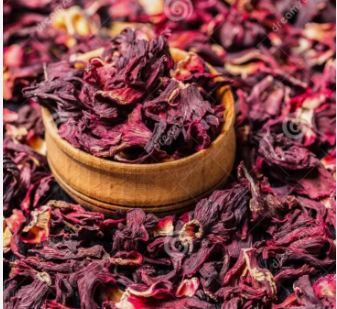
In the U.S., “Jamaica” refers to dried hibiscus flowers, but in Mexico, it’s a beloved drink that perfectly balances sweet and tart flavors. This refreshing beverage is not only delicious but also a beautiful shade of deep red, making it an eye-catching addition to any table. Max and Daniel could sip this together while enjoying a sunny afternoon, reminiscing about their journey. If you can’t find the hibiscus in your local grocery store you can buy it on Amazon. Here’s how to make it:

Ingredients:

  • 1 cup dried hibiscus flowers (Jamaica)
  • 5 cups water
  • 3/4 cup sugar (or to taste)
  • 1/2 teaspoon vanilla extract (optional, for added depth)
  • Ice
  • Lime wedges (for garnish)

Instructions:

  1. Boil the Water: In a medium saucepan, bring 4 cups of water to a boil.
  2. Steep the Flowers: Once boiling, remove the pot from heat and add the dried hibiscus flowers. Let them steep for about 15-20 minutes until the water turns a rich, deep red.
  3. Strain: After steeping, strain the mixture into a large pitcher, discarding the hibiscus flowers.
  4. Sweeten and Mix: Add the sugar and the remaining cup of water to the pitcher. Stir until the sugar is completely dissolved. If you’d like a hint of extra flavor, add the vanilla extract.
  5. Chill and Serve: Refrigerate the Agua Fresca for at least an hour before serving, or serve immediately over ice. Garnish with lime wedges for a zesty touch.
  6. Enjoy: This refreshing drink is perfect for hot days or any time you need a pick-me-up. It’s a reminder of the vibrant flavors of Mexico and the connections we make over good food and drink.

Agua Fresca de Jamaica is not just a drink; it’s a celebration of flavor, culture, and the bonds we share. It’s easy to make, and I hope you’ll love it as much as Max and Daniel do!

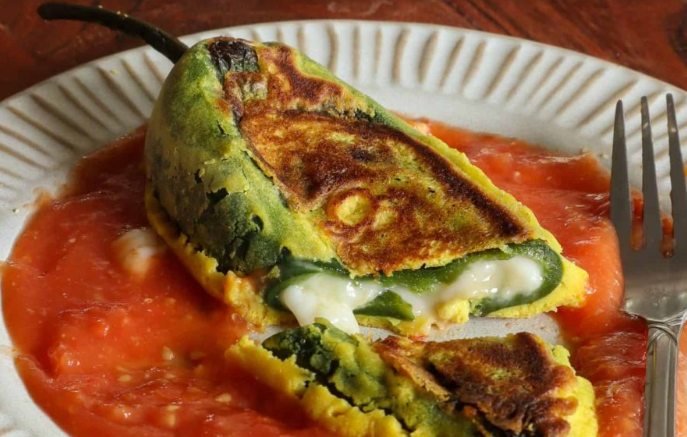
Vegan Chiles Rellenos

Though I’ve been following a plant based diet for decades, I wanted to create a version of the beloved Chiles Rellenos that everyone can enjoy, no matter their dietary choices. These stuffed peppers are traditionally filled with cheese and meat, but I promise you won’t miss them with this hearty and flavorful filling. Plus, if you want to add some chicken, beef, or any protein of your choice, feel free! Let’s dive in!

Ingredients:

  • 4 large poblano peppers
  • 1 cup quinoa or rice (cooked according to package instructions)
  • 1 can (15 oz) black beans, drained and rinsed
  • 1 cup corn kernels (fresh, frozen, or canned)
  • 1 cup diced tomatoes (canned or fresh)
  • 1 teaspoon cumin
  • 1 teaspoon chili powder
  • Salt and pepper to taste
  • 1/2 cup fresh cilantro, chopped (optional)
  • 1 cup vegan cheese shreds (optional)
  • Olive oil or cooking spray for roasting

Instructions:

  1. Preheat the Oven: Preheat your oven to 400°F (200°C).
  2. Prepare the Peppers: Roast the poblano peppers on a baking sheet drizzled with olive oil or sprayed with cooking spray until the skin is blistered and charred, about 25-30 minutes. Once done, remove them from the oven and cover them with a clean kitchen towel for about 10 minutes. This makes peeling easier.
  3. Make the Filling: In a large bowl, combine the cooked quinoa or rice, black beans, corn, diced tomatoes, cumin, chili powder, salt, and pepper. If you’re using cilantro and vegan cheese, mix them in as well.
  4. Stuff the Peppers: Once the peppers have cooled enough to handle, gently peel off the charred skin. Make a slit down the side of each pepper and carefully remove the seeds. Stuff each pepper generously with the filling mixture.
  5. Bake the Chiles: Place the stuffed peppers back on the baking sheet and sprinkle with more vegan cheese if desired. Bake for an additional 15-20 minutes until the peppers are heated through and the cheese is melted.
  6. Serve and Enjoy: Serve your Chiles Rellenos with a side of salsa, guacamole, or a light salad. These stuffed beauties are perfect for sharing and are a wonderful way to introduce your friends and family to the delicious flavors of Mexican cuisine.

Chiles Rellenos is a classic dish that speaks to the heart of Mexican cooking. Whether you choose to keep it vegan or add your favorite protein, I hope this recipe brings warmth and joy to your table, just as it did for Max and Daniel. Enjoy every bite!

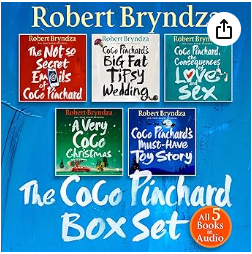
Review of Robert Bryndza’s Coco Pinchard Series: A Perfect Blend of Humor, Heart, and Wit

If you’re in the mood for a light-hearted, laugh-out-loud read with just the right amount of emotion, then Robert Bryndza’s Coco Pinchard series is for you! This collection of stories is nothing short of fabulous, combining witty British humor with relatable life moments that will leave you chuckling, teary-eyed, and thoroughly entertained.

While the Coco Pinchard series may not fall under the “classic romance” genre, it has plenty of heartwarming and romantic moments that fans of the genre will adore. What truly sets it apart, though, is its strong comedic voice. If you’re a fan of Bridget Jones’s Diary, you’ll find a kindred spirit in Coco, a character who navigates the chaos of life with endearing optimism and quirky charm.

What’s Inside the Boxset?

1. The Not So Secret Emails of Coco Pinchard

In this opening novel, we get a hilarious and often touching glimpse into Coco’s life as it unravels through emails. Coco, navigating life post-40, sends candid updates to her friends and family as she deals with a crumbling marriage, awkward dating escapades, and in-laws that are nothing short of eccentric. The epistolary format makes the story even more engaging, and you’ll quickly find yourself rooting for Coco as she faces life’s mishaps with humor and resilience.

2. Coco Pinchard’s Big Fat Tipsy Wedding

Things are finally looking up for Coco — a successful career, great friends, and a new man to love. But, as life would have it, her “happily ever after” doesn’t come without complications. Bryndza once again brings the laughs as Coco is left hanging when her boyfriend mysteriously disappears. There’s a healthy mix of intrigue, romance, and witty banter that keeps the story fresh and addictive.

3. Coco Pinchard, the Consequences of Love and Sex

Coco’s life seems like it’s on track, but the third installment throws in some unexpected challenges. Her relationship with her grown son, Rosencrantz, takes center stage as he encounters his own troubles. The mother-gay son dynamic here is one of my favorite aspects of the series, with Rosencrantz’s dry humor and Coco’s unflinching love adding real emotional depth. There’s also the ever-present meddling ex-mother-in-law, a surprise pregnancy, and more. It’s a whirlwind, but one that’s full of laughs and heart.

4. A Very Coco Christmas

Who doesn’t love a Christmas prequel? Set in 1985, this novella is a throwback that gives us a glimpse into Coco’s life before everything went haywire. We meet some unforgettable characters like Ethel, Coco’s future mother-in-law, and a turkey hilariously named Jean Paul Belmondo. It’s short, sweet, and a delightful addition to the series — perfect for getting into the holiday spirit.

5. Coco Pinchard’s Must-Have Toy Story

The final installment takes us back to the ‘90s, where Coco is in full holiday survival mode, scrambling to get her hands on a coveted toy for her son Rosencrantz. The frenzy over “Tracy Island” and Coco’s determination to make Christmas perfect encapsulate every parent’s holiday stress — but Bryndza keeps it funny and relatable, making this the perfect feel-good finale.

Final Thoughts

I’ve been listening to the Coco Pinchard series every morning on my walks, and let me tell you, there have been multiple times I had to stop walking because I was laughing so hard. I definitely got some odd looks from people, but hey, I’m used to that! This series is perfect for brightening up your day, whether you’re out for a stroll or relaxing at home.

What’s even better is that this gem is available in ebook, print, and audiobook formats. And the audiobook? It’s over 28 hours long! Considering that it’s priced at just $9.99, I’d say that’s off-the-charts amazeballs value! You’re getting an entire saga of humor, heart, and British wit for a steal.

You can find it at all major online retailers, but here’s the best part: If you sign up for a free trial of the Audible Plus subscription program, you get a free month to test out the service, and you can listen to the entire Coco Pinchard boxset for free! It’s an incredible deal and the perfect way to dive into Coco’s world without spending a dime upfront. Whether you’re new to Audible or just looking for your next great listen, this series is a must-have!

To sign up for a free Audible Plus trial and listen to the series for free, click here. If you’ve already got an Audible membership click here to get the audiobook.

To read the ebooks, you can purchase the boxset or read the books individually. They’re available on Amazon, Kobo, Google Play, and Nook.

Writing Romantic Comedy: Capturing Humor, Heart, and Heat in The Big Time

Romantic comedy is one of the most beloved genres in storytelling, offering the perfect blend of humor and heart. It’s a space where readers can laugh, feel all the feels, and fall in love with characters who navigate the messy world of romance. When writing my novel The Big Time, I wanted to tap into that blend—flawed characters, witty dialogue, and those unforgettable moments of vulnerability. And sometimes, that means letting your character sing a ridiculous song about bananas!

1. Create Relatable, Flawed Characters

The heart of any romantic comedy lies in characters who are flawed and relatable—people we can laugh at, cry with, and cheer on. Chris Reynolds, the protagonist of The Big Time, is a struggling actor trying to make it in Hollywood. He’s been rejected from countless auditions, and after turning down a role in a porn film, he’s on the verge of moving back home. That’s when his ex, Jett Sumner, a musician on the rise, reappears in his life.

Chris’s situation is one that many of us can relate to—the fear of failure, the struggle to make it in a tough industry, and the uncertainty of what the future holds. This is what makes Chris so endearing, despite his setbacks. We’ve all felt like we’re one step away from packing it all in.

Writing Tip: Don’t be afraid to let your characters be imperfect. Their flaws make them relatable and provide a natural space for growth over the course of the story.

2. Infuse Humor in Dialogue—and Situations!

Romantic comedies thrive on humor, and it doesn’t always have to come from witty banter—sometimes, it’s situational. One of my favorite moments in The Big Time is when Chris auditions for a role and is asked to perform a ridiculous, off-the-wall number called The Banana Song. Picture this: Chris, at the end of his rope, is handed a giant stuffed banana and has to belt out a silly tune about bananas while holding it. It’s absurd, funny, and yet, it’s exactly the kind of thing that happens in the entertainment industry.

Writing Tip: Situational humor can add depth to your characters and lighten the mood, even when things are tough. Don’t be afraid to get a little silly—it keeps the story fun!

3. Play With Timing and Tension

Timing is everything in romantic comedies—both in the humor and in the love story. In The Big Time, Chris and Jett reconnect at a time when both are focused on their careers. Chris is barely holding things together in Hollywood, while Jett is about to hit the big time as a musician. Their chemistry is undeniable, but the timing couldn’t be worse. Chris is desperate to rebuild his life, and Jett can’t afford distractions.

The tension comes from watching two people who clearly belong together try to navigate their ambitions while fighting off old feelings. Will they manage a fling, or will their hearts force them to admit that they’ve always been meant for more?

Writing Tip: Timing is a powerful tool in romantic comedy. Let the tension between what the characters want and what they need build throughout the story. It will keep readers hooked!

4. Mix Humor With Emotional Vulnerability

While humor is essential, the real heart of a romantic comedy lies in emotional depth. In The Big Time, Chris and Jett’s connection isn’t just built on their electric chemistry or their funny moments together. Underneath it all is the pain of their first breakup, unresolved feelings, and the question of whether they can move past old wounds to find happiness together.

For example, Chris’s fear of failure in Hollywood is paralleled by his fear of failure in love. As much as he tries to keep things casual with Jett, deep down, he knows that Jett is the one person who could truly break his heart again.

Writing Tip: Emotional vulnerability gives your romantic comedy substance. It’s those moments of raw honesty that make the love story meaningful.

5. End With a Satisfying Payoff

No romantic comedy is complete without a happily-ever-after that leaves readers smiling. After all the chaos—bananas included—Chris and Jett have to confront their real feelings for each other and make a decision about their future. The ups and downs of their relationship culminate in a heartfelt resolution, where both characters are not only together, but stronger for having faced their fears and insecurities.

Writing Tip: Give your characters the ending they’ve earned. A romantic comedy should leave readers feeling uplifted and satisfied, knowing that love—and a little laughter—conquered all.


Writing romantic comedy is all about balancing humor with heart. The Big Time was an absolute blast to create, from the playful moments like Chris’s banana-filled audition, to the emotional journey that he and Jett embark on together. If you’re writing your own rom-com, remember: it’s the blend of laughter and vulnerability that makes the genre so irresistible! The Big Time is available at all major online retailers, including Amazon, Apple Books, Google Play, Kobo, Nook, and Smashwords.

How to Craft Unforgettable Characters in Romance: Going Beyond the Tropes

In the world of romance, tropes are like comfort food: they’re familiar, and they’re what readers come back for time and again. Whether it’s enemies-to-lovers, friends-to-lovers, or forbidden romance, these beloved plot devices give the genre its recognizable heart. But if you’re looking to write characters that linger in the reader’s mind long after they’ve closed the book, it’s essential to go beyond the tropes and dig deeper into what makes your characters tick.

Take Father Matteo from Confessions: Justin’s Penance as an example. He might fit the mold of the “forbidden love” trope, as a priest who struggles with his attraction to a student. But Matteo’s character stands out because of the emotional depth, vulnerability, and complexity of his journey. Rather than just relying on the scandalous nature of the trope, his internal conflict — a push-and-pull between his faith and his desires — makes him more than just a vehicle for the plot. He becomes someone readers can empathize with, no matter their background.

Here’s how you can craft unforgettable characters in your own romance stories:

1. Start with the Trope, But Don’t Stop There

Tropes are useful because they give you a framework to build your story around. But remember, tropes shouldn’t define your characters; they should guide them. For example, in the forbidden love trope, it’s easy to fall into a pattern of “Priest falls for a student, moral dilemma ensues.” However, Matteo’s backstory — growing up in El Salvador, struggling with his faith from a young age, and having a personal connection to his parish — gives his conflict more weight. We’re not just watching a man resist temptation; we’re seeing someone grapple with his spiritual identity, upbringing, and sense of self-worth.

Tip: Ask yourself what more you can add to the trope. What aspects of your character’s past, their personality, or their environment make their experience with the trope unique?

2. Give Your Characters Internal Conflicts

What makes a character truly memorable is their internal journey. External conflicts are important, but it’s the characters’ inner battles that resonate with readers on a deeper level. Father Matteo’s struggle with guilt, shame, and faith is what drives his decisions and reactions. He’s not just tempted by desire; he’s haunted by his inability to reconcile his role as a priest with his humanity.

Tip: Think about what your character wants vs. what they need. Matteo wants to be a good priest, to serve the Church, and to uphold his vow of celibacy. But what he needs is redemption, forgiveness, and a sense of peace with his human nature. His internal conflict is what makes him relatable, even if readers can’t personally relate to his specific circumstances.

3. Make Them Vulnerable

Readers connect with characters who are flawed and vulnerable. Perfect heroes or heroines might seem appealing at first glance, but they’re not as compelling as characters who struggle, fail, and face challenges within themselves. Matteo is deeply vulnerable — his guilt over his actions with Justin, his fears about losing his way in the Church, and his doubts about his faith all make him a character readers want to see grow.

Tip: Show your characters’ weaknesses and let them struggle. Vulnerability doesn’t make a character weak; it makes them human. Whether your character is battling their own demons, like Matteo, or struggling to open up to love, those moments of vulnerability are what readers will remember.

4. Develop Their Backstory

A rich backstory can give depth to your characters and explain why they act the way they do. Matteo’s upbringing in a deeply religious household, his history of questioning his faith, and his father-son relationship with Father Rafael all provide context for his internal struggles. Without these layers, Matteo’s moral dilemma might feel shallow. But with them, we understand why he feels so torn and why his decisions are so difficult.

Tip: Spend time fleshing out your character’s backstory. It doesn’t need to be pages of exposition, but knowing where your character comes from will inform how they react to the present. Their fears, desires, and motivations should all stem from their personal history.

5. Allow Growth and Change

Romance is all about the journey. Characters who start in one place emotionally and end in another are the ones who stick with readers. Matteo begins his story trapped in guilt and self-loathing, but he’s seeking redemption and peace. His willingness to consider new paths, like a retreat at Holy Cross Abbey, shows that he’s on a journey toward healing and self-acceptance.

Tip: Show how your characters evolve throughout the story. They don’t have to become completely different people, but growth — even in small ways — can make their arc satisfying. In romance, this often involves the characters finding the courage to love or be loved, but it can also mean reconciling with past mistakes or embracing new opportunities.

6. Focus on Relationships, Not Just Romance

While romance is the core of the story, other relationships in your character’s life can give them depth and context. Father Matteo’s connection with his mother and Father Rafael shows different facets of his personality. These relationships also serve as mirrors for Matteo’s own internal journey. His mother represents his childhood faith and duty, while Rafael represents the possibility of renewal and forgiveness.

Tip: Develop supporting characters who challenge, support, or mirror your main character. These relationships can help highlight your protagonist’s growth and provide more insight into their personality.

Conclusion

Tropes may draw readers in, but unforgettable characters will keep them hooked. By focusing on internal conflict, backstory, vulnerability, and growth, you can create characters who feel real, relatable, and multi-dimensional. Whether you’re writing forbidden love, friends-to-lovers, or any other classic romance setup, what will truly make your story stand out is the depth and authenticity of your characters.

So next time you’re crafting a romance, ask yourself: how can I go beyond the trope to create characters that readers will remember long after the final page?

Happy writing!

Confessions: Justin’s Penance, Lust, and Ecstasy is available at Amazon, Apple Books, Google Play, Kobo, Barnes & Noble, and Smashwords. You can also purchase it from the Cruz Publishing bookstore.

Meet Max Coleman!

Today, we’re sitting down with Maxwell “Max” Coleman, the celebrated food blogger and journalist behind some of the most mouthwatering content on the web. Known for his sharp wit, discerning palate, and passion for culinary exploration, Max has carved out a niche for himself as a voice to be reckoned with in the food world. As he moves into his new loft in RVA’s Shockoe Bottom, we caught up with him to chat about food, life, and everything in between. Maxwell is a main character in the upcoming novel “Electric.”

Q: Welcome, Max! Let’s dive right in—what inspired your passion for food? Max: Thanks for having me! Honestly, food was always a big part of my life growing up. I come from a pretty diverse neighborhood, so I was surrounded by all these incredible flavors and dishes from different cultures. Food became more than just something to eat; it was a way to connect with people and experience their stories. That love for food only grew over time, and now I get to write about it and share those experiences with others. It’s like the best job in the world.

Q: Your blog has taken off in recent years. What do you think sets your approach apart from other food bloggers? Max: I think it’s a mix of things. First, I’m super curious—I love getting into the nitty-gritty of a dish, finding out what makes it tick. It’s not just about how it tastes, but the story behind it, the technique, the creativity. Also, I try to be really supportive of local chefs and restaurants. RVA has an incredible food scene that’s often overlooked, and I love being able to spotlight the talent here.

Q: You recently moved to RVA from Norfolk. What brought you to the River City? Max: RVA just felt like the perfect place for a fresh start. I’ve been through some tough stuff in the last few years, and this city has this amazing energy—creative, a little gritty, but full of heart. Plus, my new videographer lives nearby in Church Hill, and we’re really taking the blog to the next level with her professional touch. It’s an exciting new chapter.

Q: Let’s talk astrology for a second—you’re a Leo. Do you think your zodiac sign influences how you approach life and your work? Max: Oh, 100%. (laughs) Leos are known for being passionate, and that’s definitely me when it comes to food. I throw myself into everything I do, whether it’s trying a new dish or writing a review. Leos are also all about loyalty and shining a light on others, which I like to think I do by supporting local chefs and restaurants. We’re natural leaders, but that can come with a bit of ego too, and I won’t lie—I’ve had my struggles with that.

Q: You’ve mentioned some personal challenges—how have they shaped who you are today? Max: Yeah, I’ve faced some pretty serious stuff. A few years ago, I was injured during a political protest at UVA. That experience left me with physical injuries and emotional trauma that I’m still working through. My passion for food helped pull me out of some dark places—it gave me something to focus on, something positive.

Q: How does your journey influence the content you create? Max: It’s all connected. I think my readers see that I’m not just writing about food for the sake of it. There’s a depth to the work, whether it’s talking about the artistry of a dish or supporting a restaurant that’s struggling. I know what it’s like to have to rebuild, and I feel that same resilience in the food world, especially with local chefs who pour their heart and soul into what they do. I try to bring that authenticity into my work.

Q: What’s next for you? Max: I’m really excited to keep growing the blog with my videographer in Church Hill. We’re pushing out some great content, and I want to dive even deeper into the local food scene here in RVA. Beyond that, I’m focusing on staying healthy and working through my recovery. Life’s a journey, and I’m just taking it one step—and one dish—at a time.

Q: Any last words for your readers? Max: Just keep exploring! Whether it’s a new restaurant or a dish you’ve never tried, food has this incredible power to connect us and help us grow. And to my fellow foodies in RVA and beyond, thanks for sticking with me on this wild ride. There’s a lot more to come!


Max Coleman’s journey from food lover to influential blogger is as complex and layered as the dishes he writes about. We’re thrilled to see where his passion takes him next!

#RVAFoodScene #MaxColeman #FoodBlogger #LeoEnergy #BehindTheScenes

Preorder your copy of Electric today at your favorite online retailer.

Writing What You Know: Transforming Personal Experience into Fiction

Meet Jordan Reyes, a character inspired by you know who.

Have you ever read a character in a novel and felt an uncanny connection, as if the author had somehow peered into your own life? Chances are, that character was born from the author’s personal experiences. As a writer, I’ve discovered that some of the most compelling stories emerge when we draw from our own lives, transforming our experiences into fictional narratives that resonate with readers on a profound level.

I’m an author specializing in romance novels, particularly those featuring LGBTQ+ characters. My works include “Ignited,” an MM romance, and my current project, “Breaking The Ice,” a lesbian romance novel. Through my journey as a writer, I’ve come to appreciate the power of infusing my characters with aspects of my own life experiences.

In this post, I’ll explore how authors, including myself, often draw from our own lives to create authentic, multi-dimensional characters. I’ll share insights from my writing process and offer tips on how you can harness your personal experiences to enrich your fiction.

The Value of Personal Experience in Fiction

When we write what we know, we bring an unparalleled level of authenticity to our work. Our personal experiences provide a wellspring of emotions, details, and nuances that can breathe life into our characters and settings. This approach allows us to write with conviction about the thoughts, feelings, and reactions of our characters because we’ve lived them ourselves.

Moreover, drawing from personal experience can add layers of complexity to our characters. We understand the contradictions, the inner conflicts, and the growth that comes from lived experiences. This depth can make our characters more relatable and engaging for readers.

Case Study: “Breaking The Ice”

Let me illustrate this concept with an example from my current work-in-progress, “Breaking The Ice.” This novel tells the story of a congresswoman who falls in love with a political activist named Jordan Reyes. Jordan is a passionate woman working for a non-profit called The People’s Progress Alliance.

Jordan’s character is loosely based on my own experiences as a political activist in the 1990s. During that time, I was deeply involved with organizations such as Clean Water Action, Citizen Action, and The South Carolina Wildlife Federation. I also worked on election campaigns for former Virginia Governor Doug Wilder and former congressional representative Jim Moran.

By basing Jordan on my own experiences, I can imbue her with authentic passion for political causes, a realistic understanding of the challenges faced by activists, and genuine reactions to the political landscape she navigates. These elements of realism can make Jordan a more compelling and believable character for readers.

From Real Life to Fiction: The Transformation Process

Of course, transforming personal experiences into fiction isn’t as simple as transcribing one’s life onto the page. It’s a delicate process of selecting, adapting, and reimagining real events and emotions to serve the story.

When creating Jordan, I didn’t simply replicate my own life story. Instead, I carefully chose specific experiences and traits that would contribute to her character arc and the overall narrative. For instance, I might use the adrenaline rush I felt during a particularly tense protest to describe Jordan’s emotions during a pivotal scene. Or, I might draw on the frustration I experienced when facing political roadblocks to add depth to Jordan’s motivations.

The key is to use these personal experiences as a foundation, then build upon them with imagination and the needs of the story. This way, the character becomes a unique individual, distinct from the author, yet grounded in authentic experiences.

The Benefits and Challenges of Writing from Personal Experience

Drawing from personal experience in your writing comes with both advantages and potential pitfalls. Let’s explore these in more detail.

Benefits:

  1. Emotional Connection: When you write about experiences close to your heart, that emotional resonance often translates to the page. This can create a powerful connection with readers who sense the authenticity in your words.
  2. Rich Details: Personal experiences provide a wealth of specific details that can bring your writing to life. The texture of a protest sign in your hands, the particular shade of the sky on a tense election night – these details add vibrancy to your scenes.
  3. Confidence in Your Voice: Writing about familiar territory can boost your confidence as an author. This assurance often results in more assertive, compelling prose.

Challenges:

  1. Maintaining Objectivity: It can be difficult to separate yourself from your experiences when fictionalizing them. Remember, your character is not you, and their journey may need to diverge from your own for the sake of the story.
  2. Respecting Privacy: When drawing from real-life experiences, especially those involving other people, it’s crucial to consider privacy and potential legal issues. Always change identifying details and consider the impact your writing might have on others.
  3. Balancing Fact and Fiction: It’s easy to get caught up in recreating events exactly as they happened. However, the needs of your story should always come first. Be prepared to alter, combine, or even invent experiences to serve your narrative.

Tips for Writers

If you’re interested in incorporating more of your personal experiences into your fiction, here are some tips to get you started:

  1. Keep a Journal: Regular journaling can help you capture the emotions and details of your experiences while they’re fresh. This can be an invaluable resource when you’re writing.
  2. Practice People-Watching: Observe the world around you with a writer’s eye. How do people interact? What quirks do they have? These observations can help you create more rounded characters.
  3. Mine Your Emotions: Think about times when you felt strong emotions – joy, fear, anger, love. Use these emotional memories to inform your characters’ experiences.
  4. Use the “What If” Technique: Take a real experience and ask, “What if things had gone differently?” This can be a great way to springboard from reality into fiction.
  5. Be Selective: Not every personal experience needs to make it into your writing. Choose the ones that best serve your story and characters.
  6. Seek Feedback: Share your work with trusted readers. They can help you identify where your personal connection to the material enhances the story and where it might be holding you back.

Conclusion

Writing what you know doesn’t mean limiting yourself to strict autobiography. Instead, it’s about using your lived experiences as a springboard for your imagination. By blending personal knowledge with creativity, you can craft stories that feel authentic and resonate deeply with readers.

In my own writing journey, from “Ignited” to “Breaking The Ice,” I’ve found that drawing from my experiences as an activist has allowed me to create characters with depth, passion, and believability. It’s given me a unique voice and perspective that I can share with my readers.

Remember, every experience you have is potential material for your writing. The key is learning how to transform those experiences into compelling fiction. So, the next time you sit down to write, consider mining your own life for inspiration. You might be surprised at the stories you find waiting to be told.

Breaking The Ice

Reserve your copy of “Breaking The Ice” today. It’s available exclusively on Amazon, and is in the Kindle Unlimited subscription program!

Embracing the Tropes: How I Rescued My Writing Business and Found Joy in Trope-Driven Romance

In 2020, the world was in turmoil. The U.S. election was one of the most contentious in history, and the pandemic added a layer of uncertainty to almost every aspect of life. My writing business was no exception. As a full-time author, I faced the terrifying reality that my career, which I had spent years building, was on the brink of collapse. The usual strategies weren’t working, and I needed to adapt quickly or risk losing everything.

The Turning Point: Discovering the Power of Tropes

In the midst of this chaos, I embarked on an intense period of market research. I studied bestsellers, analyzed reader preferences, and identified trends that were consistently performing well. What I discovered was simple but powerful: tropes were not just popular—they were essential. Readers craved stories that hit familiar beats, with beloved themes and dynamics that they could dive into without hesitation.

Tropes are the building blocks of genre fiction. They are the recognizable themes, characters, and plot devices that create an immediate connection between the reader and the story. Think of them as the comfort food of literature—they’re satisfying, predictable in the best way, and leave readers craving more.

Why Tropes Are a Writer’s Best Friend

Tropes are incredibly useful when plotting a story. Like a well-constructed blurb, a trope gives you a clear roadmap to follow. It sets up expectations for the reader and provides a framework within which you can craft your narrative. Whether you’re a plotter or a pantser, having a trope in mind helps guide your story’s direction, ensuring it remains focused and engaging.

Using Tropes to Plot a Story

When I sat down to write my “Making It” series, I leaned heavily into popular tropes to create stories that were not only marketable but deeply resonated with readers. Take “Making It Forever,” for example. This novella is rich with the classic “rich guy/poor guy” trope, a favorite of mine.

Here’s the blurb:


“Being rich isn’t about the things we have, but about the love we share.”

In a world where wealth reigns supreme, Ezra Bennett, a former Olympian haunted by a career-ending injury, finds himself in the orbit of Gabriel Monroe—a billionaire influencer. While Gabriel basks in the glow of affluence and success, Ezra navigates the shadows, working as a janitor within Gabriel’s glittering empire.

Their lives couldn’t be further apart—Gabriel, a symbol of power and privilege, and Ezra, a man molded by adversity and the stark realities of poverty. Fate, however, orchestrates an unexpected convergence. As Ezra toils amidst Gabriel’s lavish world, an invisible thread weaves between them—a connection fueled by Ezra’s silent admiration, stark contrasts, and a shared understanding born from vastly different worlds colliding. Will Ezra and Gabriel defy the boundaries set by society’s hierarchy, or will the gaping divide between their lives extinguish the spark of their unlikely romance?

Making It Forever is a steamy story about two men, total opposites, who discover love is more important than anything else in the world. It’s the seventh book in the Making It series, and it may be read as a standalone story.

This story exemplifies how a strong trope can shape the entire narrative. The “rich guy/poor guy” dynamic is more than just a backdrop—it drives the characters’ interactions, their internal conflicts, and the story’s emotional stakes. Gabriel’s wealth and influence contrast sharply with Ezra’s struggles and resilience, creating a tension that keeps readers hooked.

My Favorite Tropes to Write About

  1. Second Chance Romance:
    • Why I Love It: There’s something inherently powerful about love that gets a second shot. The history and unresolved emotions between the characters make for deep, meaningful conflict and a satisfying resolution.
    • How I Use It: I start by crafting a rich backstory—why the characters broke up and what circumstances bring them back together. The tension comes from their shared past and the question of whether they can overcome it to find happiness again.
  2. Age Gap:
    • Why I Love It: The age difference introduces natural challenges and different life perspectives, making the relationship dynamic and often provocative.
    • How I Use It: I explore the characters’ internal and external conflicts, from societal judgments to personal insecurities. The contrast between youthful energy and mature wisdom can add layers of complexity to the romance.
  3. Boss/Employee:
    • Why I Love It: The inherent power imbalance and the forbidden nature of the relationship add instant drama and stakes.
    • How I Use It: This trope often involves navigating the thin line between professionalism and personal feelings. The tension comes from the characters’ need to maintain boundaries while their attraction grows.
  4. Rich Guy/Poor Guy:
    • Why I Love It: This trope plays with class differences and wealth disparity, often adding a ‘Cinderella’ element that readers find irresistible.
    • How I Use It: The story focuses on the challenges and misunderstandings that arise from differing lifestyles. The romance becomes a way to bridge these divides, showing that love can transcend societal barriers.

Conclusion: Tropes as Tools for Success

If there’s one thing I’ve learned from my experience, it’s that tropes are a writer’s best friend. They provide structure, guide your storytelling, and connect deeply with readers. Whether you’re looking to rescue a struggling writing career, like I did, or simply want to create stories that resonate, embracing tropes can lead you to success. So, the next time you sit down to outline your story, start with a trope—it just might be the key to unlocking your next bestseller.

Exciting news! The entire Making It series is currently on sale for just .99 each! This is the perfect opportunity to dive into these trope-driven novellas and see firsthand how I weave classic romance themes into engaging, emotional stories. Whether you’re a reader who loves a good love story or a writer looking to do some market research, this sale is an excellent chance to explore how tropes can create compelling narratives. Don’t miss out—grab your copies today and enjoy the journey through the Making It series! The buttons below will take you to your favorite stores!

Mastering the Art of Writing a Book Blurb: My Step-by-Step Process

Writing a book blurb is one of the most daunting tasks for many authors—myself included when I first started out in publishing back in 2016. The thought of condensing an entire story into just a few short paragraphs was intimidating, to say the least. But after writing dozens of blurbs, I’ve refined a formula that works every time. In fact, I now write the blurb before I even begin outlining the story. Why? Because the blurb is the heart of your book; it tells you and your readers what the story is truly about.

Here’s how I do it:

1. Start with a Line of Dialogue

I always begin with a line of dialogue that captures the essence of the story. This line should be something that resonates with the core of the narrative and hints at the emotions or conflict that drive the plot. It’s your hook—the first impression that draws readers in.

Once I have that line, I place it in bold letters at the very top of the blurb. It’s a way of giving potential readers a taste of the voice and tone of the book right from the start.

2. Introduce the First Main Character

The next step is to write a paragraph from the perspective of one of the main characters. This paragraph should give readers insight into who this character is, what they want, and the challenges they’re facing. Focus on the emotional stakes and what’s driving this character forward. Make sure it’s engaging and leaves readers wanting to know more about this person’s journey.

3. Introduce the Second Main Character

After establishing the first MC, do the same for the second one. This paragraph should highlight their personality, their struggles, and how their path crosses with the first character’s. This creates a dynamic tension and sets up the relationship that will be central to the story. Remember, in romance, the chemistry between your characters is everything—let it shine through here.

4. Wrap It Up with a Teaser

The final paragraph is where you bring it all together. Summarize the main conflict or dilemma that these characters face, and leave the reader with a sense of anticipation. This is your last chance to entice them to pick up the book, so make it count. Use this space to tease the drama, the romance, the stakes—whatever makes your story unique and irresistible.

5. Keep It Short and Sweet

One of the biggest challenges in writing a blurb is keeping it concise. It’s tempting to include every subplot and nuance, but less is more. Focus on the main plot and the primary emotional arc. The goal is to give readers just enough to intrigue them, not to overwhelm them with details.

6. Remember the Tone

Match the tone of your blurb to the tone of your book. If it’s a lighthearted romance, let that playfulness come through. If it’s more intense, make sure your blurb reflects that. This helps set reader expectations and attracts the right audience for your story.


By following these steps, I’ve found that writing blurbs has gone from being something I dreaded to something I look forward to. It’s become an essential part of my writing process, giving me clarity on the story before I even begin outlining. If you’re an author who struggles with blurbs, give this formula a try. It might just make the whole process a little less daunting—and a lot more fun.

Here’s an example from my novella, Making It Fierce.

“Please, don’t look at me.”

Elijah Stevens once epitomized strength and valor. He spent 14 years of his life in the Marines, but an accident left him disfigured and ashamed. Returning to his hometown, he finds solace in the loving embrace of his grandmother. Frightened of being pitied, he struggles to find meaningful work, until his granny points out he has the voice of an angel.
Now Elijah is a successful audiobook narrator and voice actor. He’s made peace with his life in the shadows, until one day while narrating a romance novel, he realizes he’s never been lonelier in his life.

Lucas Crane hosts a popular radio show, and his soothing voice and sense of humor have earned him a devoted fan base. Lucas never lacks for male attention, but he’s never met a man who held his interest beyond three dates. That changes when he meets an extremely shy voice actor, who insists on recording a commercial in the dark. Intrigued by this mystery man, Lucas pursues him, but soon despairs of ever breaking through the sad man’s walls. Until one day, the barriers to Elijah’s heart begin to crumble.

Making It Fierce is a love story between a stubborn man afraid of his reflection in the mirror, and the bright, funny man who coaxes him out of the shadows. The authors love tropes, and here you’ll find opposites attract, a military man, hurt/comfort, and more.

Happy writing!

All About Daniel

Interviewer: Hi, Daniel! Thanks for taking some time out of your busy schedule to chat with us. For those who haven’t met you yet, could you tell us a little about yourself?

Daniel: Hola! Sure thing. My name’s Daniel Beltran, and I’m the head cook at Fireside Forge, the brewery my best friend Finn runs in Richmond. I’m originally from Guadalajara, but I’ve made Richmond my home for the past few years. I love being in the kitchen, experimenting with flavors, and creating dishes that make people feel good.

Interviewer: That sounds like a perfect fit for someone who’s a Cancer. How do you think your zodiac sign influences your personality?

Daniel: Oh, I’m definitely a Cancer through and through. I’m all about nurturing the people I care about, which is why I think I love cooking so much. It’s my way of taking care of others. But being a Cancer also means I feel things deeply—whether it’s love or loneliness, I experience it all in a big way. Sometimes that’s hard, but it’s also what makes me who I am.

Interviewer: Speaking of loneliness, you’ve been pretty open about your struggles with love. How has that been for you?

Daniel: Yeah, love hasn’t been the easiest for me. I’ve had my heart broken a few times, and it’s made me a little hesitant to put myself out there again. I guess I’ve always felt like I’m just waiting for the right person to come along, but so far, that hasn’t happened. It’s tough being in Richmond, away from my family and culture, especially when you don’t have someone special to share it with.

Interviewer: You’ve mentioned that you’re considering moving back to Mexico if things don’t change. What’s behind that decision?

Daniel: Richmond’s been good to me, but there’s a part of me that’s never stopped missing home. I’ve been feeling more and more like it might be time to go back. If I can’t find what I’m looking for here—a sense of belonging, love—then maybe it’s time to try somewhere else. Guadalajara is calling me back, and I’m seriously thinking about answering.

Interviewer: But before you pack your bags, there’s someone new in your life, right? Can you tell us about Max?

Daniel: (Smiles) Max… He’s something else. He’s this incredible food blogger who’s taken the culinary world by storm. We met when he came to Fireside Forge to write about the place, and there was just… something between us from the start. We connected in a way I hadn’t felt in a long time. It was exciting, like a spark I’d been missing. We fell hard and fast, but, well, there’s a twist in the story. Let’s just say not everything is as perfect as it seems.

Interviewer: That sounds intriguing! Without giving too much away, what can readers expect from Electric?

Daniel: They can expect a lot of passion, some intense moments, and maybe a few tears. My journey with Max isn’t an easy one, and there are definitely some obstacles we’ll have to face. But at its core, Electric is about finding love when you least expect it and deciding how far you’re willing to go to keep it. It’s a story of taking risks, which, for a Cancer like me, isn’t always easy, but it’s necessary if you want to find happiness.

Interviewer: We can’t wait to read more about your story in Electric! Before we wrap up, where can fans keep up with you online?

Daniel: You can find me on Instagram at @NowhereBoy. It’s where I share a bit of everything—my cooking, my thoughts, and sometimes just the little moments that make life interesting. I’d love to connect with everyone there.

Interviewer: Thanks so much for sharing with us, Daniel. We’re excited to see where your journey takes you next!

Daniel: Gracias! I hope everyone enjoys the ride. It’s going to be an unforgettable one.

Preorder your copy today from your favorite online bookstore. Electric, which is coming this October, is available at Amazon, Apple Books, Barnes & Noble, Google Play, Kobo, and Smashwords.