An Interview with Bradley Mitchell: Confessions of a Con Man

Bradley Mitchell, better known by his self-created persona, Bradley Wellington III, isn’t someone you forget. Charismatic, self-assured, and sharp-witted, he had a knack for spinning tales and charming anyone who crossed his path. But in this exclusive interview, Bradley reveals the truth behind the lies, the heartbreak, and the shame that shaped his life—and ultimately led to his downfall.

Q: Bradley, let’s start at the beginning. The first day of college, you meet Liam Murphy and Jack Barrett. What was your first impression of them?

Bradley leans back, a wistful smile crossing his face.

“Liam. He’s the kind of guy you notice right away. Sweet, genuine—too good for the world, honestly. I was smitten the moment he opened his mouth. That awkward laugh of his? Yeah, it got me. But then there was Jack. Jack was… well, Jack was the kind of guy you don’t want someone you’re falling for to meet. Confident but not cocky, ridiculously good-looking, and, worst of all, kind. I saw the way Liam looked at him. And I saw the way Jack’s guard dropped when he looked at Liam. It was this unspoken connection, this thing between them that scared the hell out of me. I knew I didn’t stand a chance, so I did the only thing I could do. I sabotaged it.”

Q: Sabotaged it? How so?

Bradley’s expression darkens, guilt clouding his features.

“I planted doubts. Little comments here and there, things to make them second-guess each other. Jack was easier to rattle—he’d been burned before, so all I had to do was nudge him toward believing Liam wasn’t interested. But Liam… Liam was tougher. He’s so open, so… trusting. I hated myself for it, but I wanted him to look at me the way he looked at Jack. So, one night, I got him drunk. I thought maybe, just maybe, if I could get him to see me in a different light, it would change everything. And for a moment, I thought it did. We kissed. But then…”

He hesitates, his voice breaking.

“Then he called me Jack. That was the end of it. I realized I’d never be more than a placeholder for him. I’d never be what he wanted.”

Q: That’s heartbreaking. Do you think your insecurities played a role in how things unfolded?

“Absolutely. I wasn’t Bradley Wellington III; I was just Bradley Mitchell, the kid who wore hand-me-downs and prayed nobody noticed. The first time I lied about coming from money, I was thirteen. People treated me differently when they thought I was rich. They respected me, wanted to be my friend. By the time I got to college, the lie had grown legs. Bradley Wellington III had a yacht, a summer home in the Hamptons, and a trust fund. I was nobody, but he was somebody. And for a while, I got to be somebody, too.”

Q: Is that why you started dealing drugs? To keep up the façade?

Bradley nods, shame flickering in his eyes.

“Yeah. I’d already taken out every loan I could, maxed out credit cards in Bradley Wellington’s name, and it still wasn’t enough. But I realized rich kids don’t just party—they’ll pay a fortune to make sure the party doesn’t stop. It started small: a little weed here, some pills there. Then it got bigger. Harder stuff. I told myself it was temporary, just until I graduated, but the money… God, the money was addictive. And the power. These kids with their real trust funds and their real yachts were suddenly looking to me. I mattered. For the first time in my life, I mattered.”

Q: But then it all fell apart. Can you talk about your arrest?

Bradley exhales deeply, rubbing his hands together as if trying to shake off the memory.

“It was humiliating. One minute, I’m on top of the world; the next, I’m in handcuffs, and everyone’s watching. The worst part wasn’t losing the money or the status. It was losing Liam and Jack. Jack looked at me like he didn’t even know me anymore. Liam… he looked like I’d broken something in him. And maybe I did. They were my friends, and I… I betrayed them. For what? A persona that wasn’t even real?”

Q: What’s next for you? Do you have a plan for when you get out?

Bradley’s voice drops, his bravado finally stripped away.

“I don’t know. I’ve spent so long pretending to be someone else that I’m not sure who I really am anymore. I’ll have a record now, so the chances of me finishing school or getting a decent job are slim to none. But maybe that’s the point. Maybe it’s time I stop trying to be Bradley Wellington III and figure out who Bradley Mitchell actually is. It’s terrifying, but it’s also… freeing. For the first time in my life, I don’t have to keep up the lie. I just hope it’s not too late to make things right.”

Q: If you could say one thing to Liam and Jack now, what would it be?

Bradley’s eyes glisten, and he takes a moment before answering.

“I’d say I’m sorry. For everything. For the lies, the manipulation, the hurt. You both deserved better from me. I don’t expect forgiveness, but if there’s any way I can make amends, I’ll spend the rest of my life trying to do it. You were the closest thing I ever had to a real family, and I… I threw it all away. I’m sorry.”

As the interview ends, Bradley’s vulnerability lingers in the air. It’s clear that beneath the lies and the bravado is a man desperate to rebuild what he’s lost. Whether he can succeed remains to be seen, but for the first time, he’s ready to try.


Where Do I Get My Ideas for Novels?

One of the questions I’m asked most often as a writer is: Where do you come up with your ideas? The truth is, inspiration strikes me on a daily basis. Sometimes, it’s in the middle of my morning walk when I’m surrounded by the rhythm of everyday life. People going about their day, snippets of conversation, the way someone carries themselves—all of it sparks my imagination. For instance, there’s a handsome guy with a cute dog who owns a bicycle shop that I pass every morning. Naturally, he’s going to find his way into a book someday. Plot bunnies, as I like to call them, are everywhere.

But it’s not just strangers or random moments that inspire me. Many of my ideas come from my own life experiences. It’s these stories, memories, and even challenges that help me create characters and plots that feel authentic. For all of you who want to be writers, I recommend keeping a journal so you can refer to your prior experiences. Let me take you on a journey through some of those experiences and how they’ve shaped my writing.

Writing What I Know: The Arts, Makeup, and Latinx Culture

When I was younger, I had my heart set on becoming a concert pianist. I was steeped in classical music, not just as a pianist but also playing brass instruments and guitar. If you wanted the perfect example of a geeky kid who loved going to the symphony, I’d be the zitty teen face on a poster. While life took me in a different direction, that passion for music never left me. It’s no surprise that I’ve written several novels about musicians. In Mr. Mouthful, a symphony conductor falls in love with a cellist who owns a coffee shop. The Boundary tells the story of an opera singer falling in love with his makeup artist, and The Big Time explores the journey of an up-and-coming pop star. Music has always been a deep well of inspiration for me.

Later, my artistic path led me to the world of beauty. I became a professional makeup artist and had the honor of working for Bobbi Brown Cosmetics, opening the very first Bobbi Brown studio and retail store in the United States. Working with Bobbi was totally amazing! My experiences there helped me shape the love interest in The Boundary, adding layers of authenticity to a story about ambition and artistry.

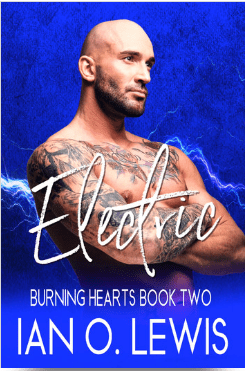
And then, there’s my personal life. I’ve spent many years living in Mexico and was in a 23-year relationship with my former partner Ricardo, who was Mexican-American. This immersion in Latinx culture has naturally found its way into my writing. For instance, The Big One, and Electric feature characters with rich, Latinx backstories. Writers often hear the advice to “write what you know,” and for me, that’s proven to be invaluable.

The Birth of The Money Shot

The novel I’m currently polishing up, The Money Shot, came from a very different kind of inspiration. I’m not going to lie: I was casually perusing porn on Reddit (research, obviously!), and I noticed a growing trend. Many of the guys posting nudes and videos were linking to their OnlyFans pages. That sparked an idea. What if I wrote a story about someone turning to OnlyFans out of financial desperation? Enter Liam and Jack, two roommates navigating this uncharted territory, all while falling in love.

While developing the plot, I found myself binge-watching The Nanny on YouTube. Fran Fine’s larger-than-life personality inspired Vanessa Martinez, a Latina version of Fran with her own unique flair—and let’s just say, Vanessa is a lot naughtier. She brings comic relief and a dash of chaos to The Money Shot, and she’s quickly become one of my favorite characters to write.

Open Minds, Endless Ideas

One thing I’ve learned as a writer is the importance of keeping your mind open. Inspiration can come from anywhere: a conversation, a memory, a random observation, or even something as mundane as scrolling through social media. The key is to notice the sparks and fan them into flames.

That said, I doubt I’ll ever write about something I don’t at least have a working knowledge of. For instance, I’ve never written about ice hockey or deep-sea exploration because those worlds feel too far removed from my own. But who knows? If I ever take up scuba diving or start caring about sports, maybe that’ll change.

For now, I’m content letting my past experiences and everyday observations guide me. Life is full of stories waiting to be told, and I can’t wait to see what sparks my imagination next.

Using Side Characters to Enrich Your Novel: A Look into Laura’s Story

In fiction, side characters often function as more than just background noise. Done well, they can add emotional depth, thematic resonance, and nuance to the main story. One way to accomplish this is through vignettes—short, evocative episodes that reveal a side character’s perspective, history, or inner life.

Take Laura, a dominatrix introduced in Money Shot, as an example. While she isn’t the protagonist, her chapter—detailing an evening that blends professional detachment, personal reflection, and emotional vulnerability—shows how vignettes can elevate a narrative. Let’s break down what her vignette adds to the story.

1. Humanizing a Professional Persona

In Laura’s scene, readers glimpse the duality of her life. Professionally, she’s confident, composed, and dominant, creating content for her FantasyFans platform. But as soon as the camera stops rolling, we see her as a layered individual—someone grappling with wistful memories and the gap between her dreams and reality.

This balance between strength and vulnerability doesn’t just make Laura relatable; it challenges stereotypes about her profession. Through Laura, readers are reminded that no one is defined solely by their job, and every character has a hidden complexity.

2. Reflecting Themes of the Main Story

Laura’s flashback to Seth—the man who shattered her youthful faith in love—echoes themes of disillusionment and second chances that permeate Money Shot. Her longing for something real and meaningful mirrors the struggles of the main characters, Liam and Jack, as they navigate their feelings in a complicated world.

By tying her personal heartbreak to broader themes, Laura’s vignette strengthens the emotional core of the novel, making her a narrative bridge between side plot and central story.

3. Introducing Subtle Plot Developments

The vignette also moves the plot forward in small but meaningful ways. When Laura stumbles upon a video of Liam and Jack, her reaction—shock at their chemistry and recognition of genuine love—foreshadows the emotional payoff in their relationship. As a seasoned observer in the adult content world, her perspective carries weight, validating what readers may already suspect: Liam and Jack aren’t just partners for the camera.

These subtle nods to the main plot keep the vignette relevant, ensuring it feels like a natural extension of the story rather than a detour.

4. Adding Texture to the Worldbuilding

By diving into Laura’s personal and professional lives, the vignette expands the world of Money Shot. Her experiences add texture to the broader community of creators, giving readers a sense of the diverse personalities and stories within the industry. This rich backdrop makes the story more immersive, as readers feel they’re stepping into a fully realized world.

5. Engaging Readers with Unique Voices

Laura’s voice—pragmatic yet tinged with longing—stands out. Her commentary on life, love, and work is sharp, insightful, and occasionally self-deprecating. This distinct voice keeps readers engaged, even when she’s not driving the main plot. It’s a reminder that side characters can shine as much as protagonists when given the chance.

Conclusion: More Than the Sum of Its Parts

Laura’s vignette demonstrates how side characters can contribute depth, complexity, and resonance to a story. By giving them space to reflect, connect, or react to events, you’re not just adding texture to your novel—you’re inviting readers to explore its emotional and thematic undercurrents in new and meaningful ways.

When crafting your next story, consider giving your side characters the spotlight for a moment. You might be surprised at how much they have to offer.

The Money Shot will be released this December.