

One of the questions I’m asked most often as a writer is: Where do you come up with your ideas? The truth is, inspiration strikes me on a daily basis. Sometimes, it’s in the middle of my morning walk when I’m surrounded by the rhythm of everyday life. People going about their day, snippets of conversation, the way someone carries themselves—all of it sparks my imagination. For instance, there’s a handsome guy with a cute dog who owns a bicycle shop that I pass every morning. Naturally, he’s going to find his way into a book someday. Plot bunnies, as I like to call them, are everywhere.

But it’s not just strangers or random moments that inspire me. Many of my ideas come from my own life experiences. It’s these stories, memories, and even challenges that help me create characters and plots that feel authentic. For all of you who want to be writers, I recommend keeping a journal so you can refer to your prior experiences. Let me take you on a journey through some of those experiences and how they’ve shaped my writing.
Writing What I Know: The Arts, Makeup, and Latinx Culture
When I was younger, I had my heart set on becoming a concert pianist. I was steeped in classical music, not just as a pianist but also playing brass instruments and guitar. If you wanted the perfect example of a geeky kid who loved going to the symphony, I’d be the zitty teen face on a poster. While life took me in a different direction, that passion for music never left me. It’s no surprise that I’ve written several novels about musicians. In Mr. Mouthful, a symphony conductor falls in love with a cellist who owns a coffee shop. The Boundary tells the story of an opera singer falling in love with his makeup artist, and The Big Time explores the journey of an up-and-coming pop star. Music has always been a deep well of inspiration for me.
Later, my artistic path led me to the world of beauty. I became a professional makeup artist and had the honor of working for Bobbi Brown Cosmetics, opening the very first Bobbi Brown studio and retail store in the United States. Working with Bobbi was totally amazing! My experiences there helped me shape the love interest in The Boundary, adding layers of authenticity to a story about ambition and artistry.
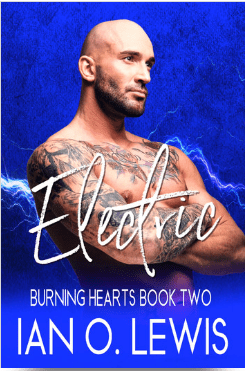
And then, there’s my personal life. I’ve spent many years living in Mexico and was in a 23-year relationship with my former partner Ricardo, who was Mexican-American. This immersion in Latinx culture has naturally found its way into my writing. For instance, The Big One, and Electric feature characters with rich, Latinx backstories. Writers often hear the advice to “write what you know,” and for me, that’s proven to be invaluable.
The Birth of The Money Shot
The novel I’m currently polishing up, The Money Shot, came from a very different kind of inspiration. I’m not going to lie: I was casually perusing porn on Reddit (research, obviously!), and I noticed a growing trend. Many of the guys posting nudes and videos were linking to their OnlyFans pages. That sparked an idea. What if I wrote a story about someone turning to OnlyFans out of financial desperation? Enter Liam and Jack, two roommates navigating this uncharted territory, all while falling in love.

While developing the plot, I found myself binge-watching The Nanny on YouTube. Fran Fine’s larger-than-life personality inspired Vanessa Martinez, a Latina version of Fran with her own unique flair—and let’s just say, Vanessa is a lot naughtier. She brings comic relief and a dash of chaos to The Money Shot, and she’s quickly become one of my favorite characters to write.
Open Minds, Endless Ideas
One thing I’ve learned as a writer is the importance of keeping your mind open. Inspiration can come from anywhere: a conversation, a memory, a random observation, or even something as mundane as scrolling through social media. The key is to notice the sparks and fan them into flames.
That said, I doubt I’ll ever write about something I don’t at least have a working knowledge of. For instance, I’ve never written about ice hockey or deep-sea exploration because those worlds feel too far removed from my own. But who knows? If I ever take up scuba diving or start caring about sports, maybe that’ll change.
For now, I’m content letting my past experiences and everyday observations guide me. Life is full of stories waiting to be told, and I can’t wait to see what sparks my imagination next.
 Ian O. Lewis and Luke Jameson