

Interviewer: Welcome, Ben! It’s great to have you here. Let’s dive right in—working at a Halloween Scream Park must be quite the experience! How did you end up at Haunted Hollow?
Ben: grinning You could say it was a mix of curiosity and needing some extra cash. I’ve always had a thing for places that give off a weird vibe, and Haunted Hollow? It’s practically buzzing with energy. Plus, I’m all about new experiences, and this place? Yeah, definitely unlike anything I’ve done before.
Interviewer: I bet! So, we’ve heard you’re quite the wanderer. How does working in one spot, even if it’s a scream park, fit with your free-spirited nature?
Ben: laughing I guess you could say I’m more used to moving around than staying put. But even while working here, I’ve found ways to keep things interesting. Haunted Hollow is more than just a gig—it’s a puzzle. There’s this haunted forest, strange noises at night, the stories people tell. It’s like an adventure waiting to happen every day. Keeps me on my toes, you know?
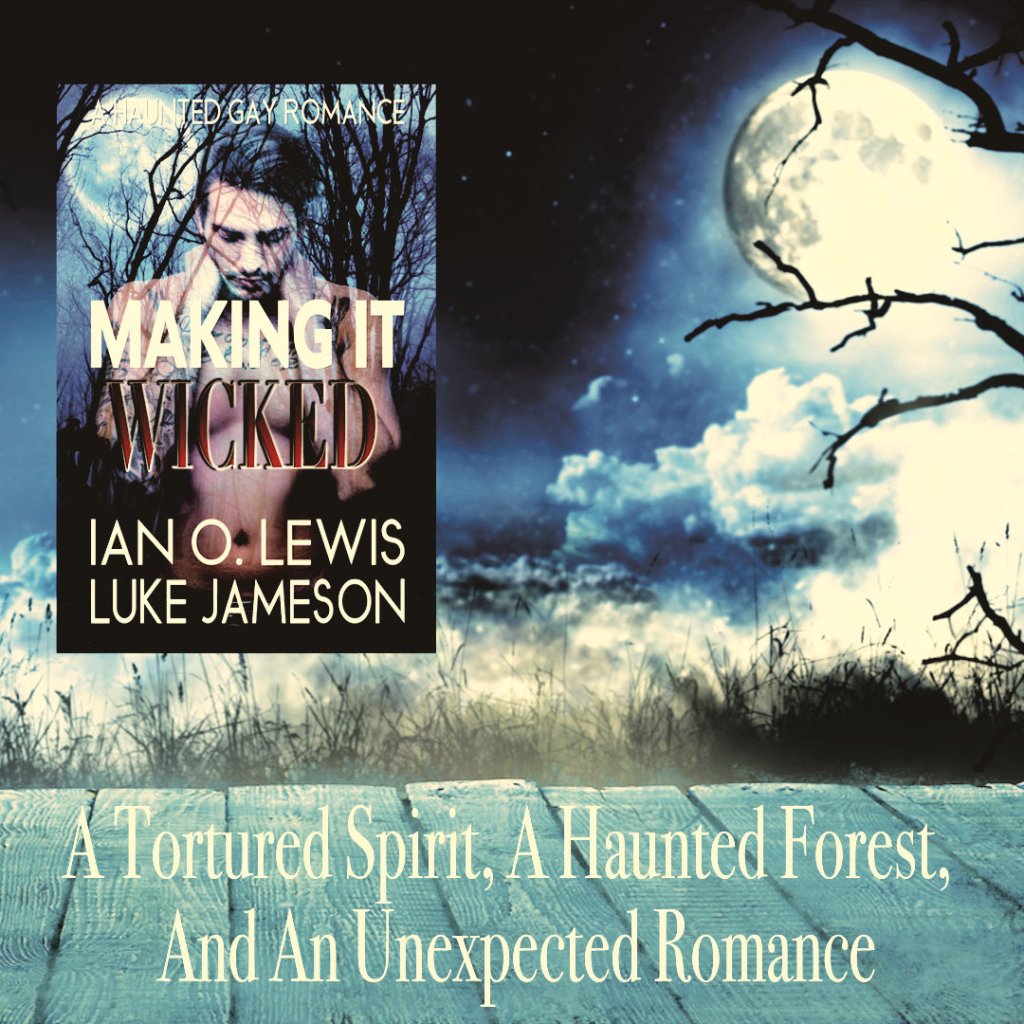
Interviewer: Sounds like the perfect playground for someone with your sense of adventure. Now, let’s get personal—what’s the deal with Theo Hawthorne? Rumor has it you two have some undeniable chemistry.
Ben: grinning mischievously Theo? Yeah, he’s… something else. We’re total opposites. He’s all about planning, making sure every detail is perfect. I kind of just go with the flow. But there’s something about him—beneath all that seriousness, there’s a lot more going on. Plus, getting him to loosen up a bit? That’s my current favorite challenge.
Interviewer: Sounds like sparks are flying! But with your tendency to wander, do you think someone like Theo, who seems more grounded, can keep you interested?
Ben: That’s the million-dollar question, right? Thing is, I’ve always thought love had to be this big, epic thing, full of passion and adventure. But sometimes, it’s the quieter moments that sneak up on you. Theo’s got this way of making me think maybe there’s more to sticking around than I thought. Maybe stability doesn’t have to mean being tied down—it could be about finding someone who gets your need to roam but still offers a reason to come back.
Interviewer: That’s a great way to put it. Speaking of challenges, you and Theo stumbled upon a restless spirit at Haunted Hollow. How’s that been?
Ben: leaning in with a gleam in his eye That’s where things get wild. This spirit? He’s not just any ghost. There’s a whole tragic story behind him, something that ties into the park’s history. Theo and I are trying to piece it all together before things get out of hand. It’s dangerous, sure, but it’s also kind of exciting—figuring out his story, what he wants. I just hope we can help him move on before something bad happens.
Interviewer: It sounds like you’re diving deep into something darker than usual. Does dealing with the supernatural freak you out at all?
Ben: You’d think it would, right? But nah, not really. It’s more intriguing than terrifying. There’s something about the unknown that draws me in, even if it’s creepy or unsettling. Plus, I’ve always wondered if there’s more out there than we can see. Meeting a ghost? Just another adventure on the list. And hey, I’m not doing it alone—Theo’s got my back, even if he pretends not to believe in all this stuff half the time.
Interviewer: What’s next for you, Ben? Do you see yourself staying at Haunted Hollow after Halloween, or is there another adventure calling your name?
Ben: Oh, there’s always another adventure calling. Whether it’s here or somewhere far off, I can’t say yet. But Haunted Hollow feels like it’s got more secrets to reveal, so I might stick around a little longer.
Interviewer: laughs I think a lot of people are rooting for that! Thanks for chatting with us, Ben. We can’t wait to see where your journey takes you next.
Ben: Anytime. And trust me, wherever it is, it’s gonna be one hell of a ride.
Making It Wicked releases on October 30, 2024! It’s available at Amazon, Apple Books, Google Play, Kobo, Nook, and Smashwords.








 Ian O. Lewis and Luke Jameson