
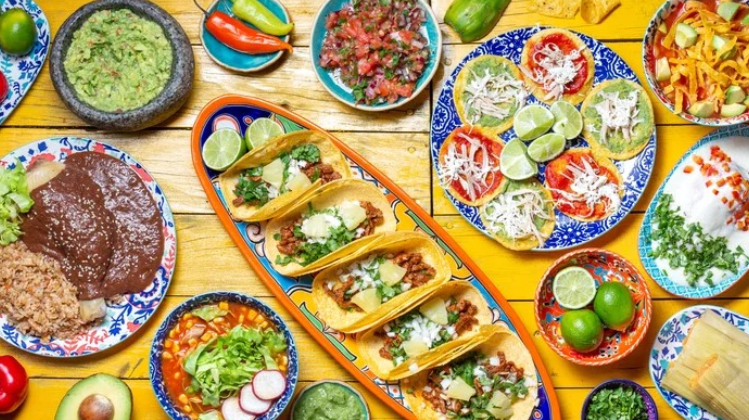
Cooking has always been a passion of mine, and I believe that food has a unique way of bringing people together. In Electric, Daniel and Max bond over the flavors and traditions of Mexican cuisine, and I wanted to share that experience with you. Mexican food is so much more than tacos and burritos; it’s a celebration of vibrant ingredients, rich history, and deep-rooted family traditions.
Throughout the novel, you’ll find characters savoring dishes that evoke warmth and connection, and I hope these recipes will inspire you to create your own culinary memories. Whether it’s a comforting bowl of pozole or the zesty kick of fresh guacamole, these recipes will allow you to experience the essence of Mexican cooking and feel the love that goes into every dish.
So, roll up your sleeves, gather your ingredients, and enjoy the journey into the heart of a cuisine that’s as colorful and dynamic as the stories of those who cherish it. Oh, and since Amazon is having Prime Day Deals right now, I’ll link to certain products that are on sale so you too can make authentic Mexican food. Happy cooking!
Homemade Corn Tortillas
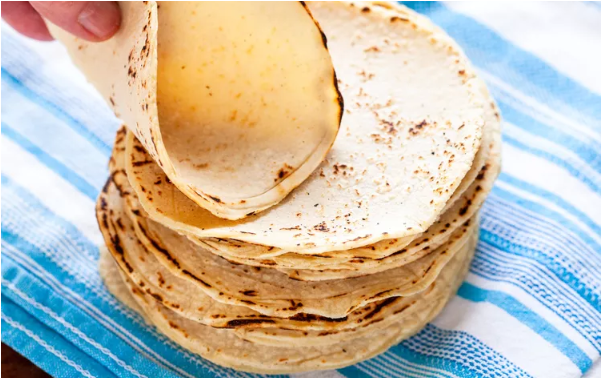
Let’s talk about one of the most essential staples of Mexican cuisine: corn tortillas. When made right, these little wonders can elevate any meal, whether you’re wrapping them around your favorite fillings or using them to scoop up delicious salsas. Trust me, once you try these homemade tortillas, you’ll never want to go back to those sad, store-bought versions.
Ingredients:
- 2 cups masa harina (this is a special corn flour; don’t substitute with regular flour!)
- 1/2 teaspoon salt
- 1 1/4 cups warm water (plus a little more if needed)
Instructions:
- Mix It Up: In a mixing bowl, combine the masa harina and salt. Gradually add the warm water, mixing it with your hands or a wooden spoon until a soft dough forms. If the dough feels too dry, add a bit more water, a tablespoon at a time. You want it to be pliable and not sticky.
- Rest It: Cover the dough with a damp cloth and let it rest for about 30 minutes. This step is crucial as it helps the masa hydrate and makes rolling easier.
- Shape the Tortillas: Divide the dough into small balls—about the size of a golf ball. If you have a tortilla press, you’re in luck! Place one ball of dough between two pieces of plastic wrap (or parchment paper) and press down until it’s flat. If you don’t have a press, you can use a rolling pin. Just roll the dough out between the plastic sheets until it’s about 1/8 inch thick.
- Cook ‘Em Up: Heat a cast-iron skillet or non-stick pan over medium-high heat. Place one tortilla in the hot skillet and cook for about 30 seconds, or until you see bubbles forming. Flip it over and cook for another 30 seconds. You want them to be lightly browned and cooked through. Don’t worry if they puff up—that’s a good sign!
- Keep Warm: Remove the tortillas from the skillet and place them in a clean kitchen towel to keep warm while you cook the rest.
- Enjoy: Serve them fresh with your favorite fillings—tacos, quesadillas, or even just a sprinkle of salt and a squeeze of lime. Trust me, the difference in taste will be mind-blowing!
And there you have it! Simple, homemade corn tortillas that can take your meals to the next level. I can’t wait for you to try them. As I said above, if you don’t have a tortilla press you can use a rolling pen. But if you want to give a tortilla press a try, this one is currently 20% off on Amazon! Also, if you can’t find Masa Harina, which is the special corn flour used to make tortillas, you can buy some on Amazon by clicking here.
Mole Poblano

Mole Poblano is one of those dishes that warms the soul. It’s not just a sauce; it’s a celebration of flavors and traditions. With its blend of spices, chocolate, and chiles, this mole is a delicious experience that can transform chicken, enchiladas, or even just a bowl of rice into something extraordinary. It’s thought to have originated with a group of nuns. The recipe is complex, but totally worth the effort.
Ingredients:
- 3 dried ancho chiles
- 3 dried guajillo chiles
- 1 dried pasilla chile
- 2 tablespoons vegetable oil
- 1 medium onion, chopped
- 4 cloves garlic, minced
- 1 teaspoon ground cumin
- 1 teaspoon ground cinnamon
- 1/2 teaspoon ground cloves
- 1/2 teaspoon black pepper
- 1/4 teaspoon allspice
- 1 can (14 oz) diced tomatoes (or 4 fresh roasted tomatoes)
- 2 tablespoons almond butter (or crushed almonds)
- 2 ounces dark chocolate (70% or higher, chopped)
- 2 tablespoons sugar (or to taste)
- Salt to taste
- 4 cups chicken or vegetable broth
- 1 tablespoon apple cider vinegar
Instructions:
- Prepare the Chiles: Start by removing the stems and seeds from the dried chiles. In a dry skillet over medium heat, toast the chiles for about 1-2 minutes until they’re fragrant. Be careful not to burn them! Once toasted, transfer them to a bowl and cover them with hot water. Let them soak for about 15 minutes until softened.
- Sauté the Aromatics: In a large pot, heat the vegetable oil over medium heat. Add the chopped onion and sauté until translucent, about 5 minutes. Then, add the minced garlic and cook for another minute until fragrant.
- Blend It All Together: Drain the chiles and place them in a blender or food processor. Add the sautéed onion and garlic, along with the cumin, cinnamon, cloves, black pepper, allspice, tomatoes, almond butter, and a pinch of salt. Blend until smooth. You may need to add a little bit of chicken or vegetable broth to help it blend.
- Cook the Mole: Pour the blended mixture back into the pot and add the remaining broth. Bring it to a simmer over medium heat. Stir in the chopped dark chocolate, sugar, and apple cider vinegar. Let it cook for about 30-40 minutes, stirring occasionally, until it thickens and the flavors meld together.
- Taste and Adjust: Taste your mole and adjust the seasoning with more salt or sugar as needed. Remember, mole should have a balance of flavors—sweet, spicy, and savory.
- Serve: Serve your Mole Poblano over cooked chicken, enchiladas, or even alongside rice. Garnish with toasted sesame seeds if you’d like. This sauce is the perfect way to elevate any dish and is sure to impress your friends and family.
There you have it—a rich, flavorful Mole Poblano recipe that will fill your kitchen with amazing aromas and bring a taste of Mexico right to your table. Enjoy the process, and I can’t wait to hear how it turns out for you!
By the way, cooking Mole Poblano is a bit time consuming, and many people here in Mexico will buy it premade. This is the brand of premade mole I see the most here, and I’ve bought it myself. It’s by Dona Maria, and it’s on sale at Amazon.
Agua Frescas
Next I’m sharing with you something I make several times a week. Agua Frescas are refreshing and versatile drinks that capture the essence of summer, and you can whip them up easily with just a few ingredients. Here’s a simple recipe for Agua Fresca de Limón (Lemon Water), perfect for hot days or whenever you need a refreshing pick-me-up.
Agua Fresca de Limón
This bright and zesty drink is a staple in Mexico. It’s not just delicious, but also incredibly easy to make. Plus, it’s a fantastic way to cool down, and you can adjust the sweetness to your liking. Max and Daniel would likely enjoy this as they relax together. Oh, and if you prefer the taste of limes you can substitute those for the lemons.
Ingredients:
- 4 large lemons (juiced, about 1 cup of juice)
- 4 cups cold water
- 1/2 to 3/4 cup sugar (adjust based on your taste)
- Ice (for serving)
- Fresh mint leaves (optional, for garnish)
Instructions:
- Juice the Lemons: Start by juicing your lemons until you have about 1 cup of lemon juice. Make sure to remove any seeds—nobody wants those in their drink!
- Mix It Up: In a large pitcher, combine the lemon juice, cold water, and sugar. Stir well until the sugar dissolves completely. If you prefer a less sweet drink, start with 1/2 cup of sugar and adjust according to your taste.
- Chill and Serve: Let the agua fresca sit in the fridge for about 30 minutes to chill. Serve it over ice in tall glasses, and if you’re feeling fancy, garnish with fresh mint leaves for a pop of color and flavor.
- Enjoy: Sip slowly and relish the refreshing taste of this simple yet delightful drink. It’s perfect for any gathering or just a quiet afternoon at home.
And there you have it! A quick and easy recipe for Agua Fresca de Limón that anyone can make. Whether you’re hosting a summer BBQ or just need a refreshing beverage, this drink is sure to impress. Plus, it captures the vibrant flavors that make Mexican cuisine so special! Next is another Agua Fresca I make at home regularly.
Agua Fresca de Sandía
This vibrant drink is a hit at summer gatherings and is sure to remind you of those long, sunny days. Max and Daniel would love sharing a pitcher of this together, perhaps reminiscing over their favorite summer memories.
Ingredients:
- 4 cups of ripe watermelon (seeded and cubed)
- 4 cups cold water
- 1/4 to 1/2 cup sugar (to taste)
- Juice of 1 lime (optional, for added zest)
- Ice (for serving)
- Lime slices or mint leaves (optional, for garnish)
Instructions:
- Blend the Watermelon: In a blender, combine the watermelon cubes and 1 cup of cold water. Blend until smooth. If you prefer a pulp-free drink, you can strain the mixture through a fine-mesh sieve into a pitcher.
- Mix the Ingredients: Add the remaining 3 cups of cold water to the watermelon juice. Stir in the sugar, starting with 1/4 cup and adjusting to your taste. If you want a little extra zing, add the juice of one lime.
- Chill and Serve: Let the agua fresca chill in the refrigerator for at least 30 minutes. Serve over ice in tall glasses and garnish with lime slices or mint leaves for a refreshing touch.
- Enjoy: Take a sip and let the refreshing taste of watermelon wash over you. This drink is not just delicious; it’s a reminder of the vibrant flavors of Mexico!
There you go! A simple and refreshing Agua Fresca de Sandía that will surely be a crowd-pleaser. It’s perfect for any occasion and captures the essence of summer!
Agua Fresca de Jamaica
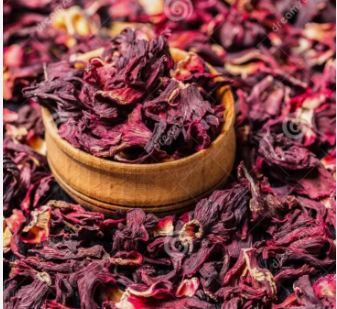
In the U.S., “Jamaica” refers to dried hibiscus flowers, but in Mexico, it’s a beloved drink that perfectly balances sweet and tart flavors. This refreshing beverage is not only delicious but also a beautiful shade of deep red, making it an eye-catching addition to any table. Max and Daniel could sip this together while enjoying a sunny afternoon, reminiscing about their journey. If you can’t find the hibiscus in your local grocery store you can buy it on Amazon. Here’s how to make it:
Ingredients:
- 1 cup dried hibiscus flowers (Jamaica)
- 5 cups water
- 3/4 cup sugar (or to taste)
- 1/2 teaspoon vanilla extract (optional, for added depth)
- Ice
- Lime wedges (for garnish)
Instructions:
- Boil the Water: In a medium saucepan, bring 4 cups of water to a boil.
- Steep the Flowers: Once boiling, remove the pot from heat and add the dried hibiscus flowers. Let them steep for about 15-20 minutes until the water turns a rich, deep red.
- Strain: After steeping, strain the mixture into a large pitcher, discarding the hibiscus flowers.
- Sweeten and Mix: Add the sugar and the remaining cup of water to the pitcher. Stir until the sugar is completely dissolved. If you’d like a hint of extra flavor, add the vanilla extract.
- Chill and Serve: Refrigerate the Agua Fresca for at least an hour before serving, or serve immediately over ice. Garnish with lime wedges for a zesty touch.
- Enjoy: This refreshing drink is perfect for hot days or any time you need a pick-me-up. It’s a reminder of the vibrant flavors of Mexico and the connections we make over good food and drink.
Agua Fresca de Jamaica is not just a drink; it’s a celebration of flavor, culture, and the bonds we share. It’s easy to make, and I hope you’ll love it as much as Max and Daniel do!
Vegan Chiles Rellenos
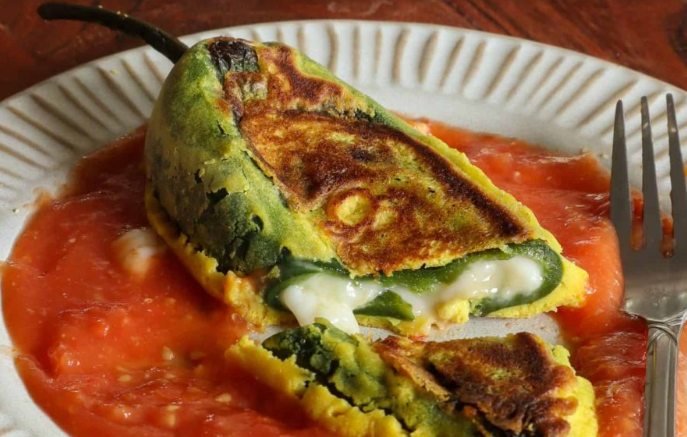
Though I’ve been following a plant based diet for decades, I wanted to create a version of the beloved Chiles Rellenos that everyone can enjoy, no matter their dietary choices. These stuffed peppers are traditionally filled with cheese and meat, but I promise you won’t miss them with this hearty and flavorful filling. Plus, if you want to add some chicken, beef, or any protein of your choice, feel free! Let’s dive in!
Ingredients:
- 4 large poblano peppers
- 1 cup quinoa or rice (cooked according to package instructions)
- 1 can (15 oz) black beans, drained and rinsed
- 1 cup corn kernels (fresh, frozen, or canned)
- 1 cup diced tomatoes (canned or fresh)
- 1 teaspoon cumin
- 1 teaspoon chili powder
- Salt and pepper to taste
- 1/2 cup fresh cilantro, chopped (optional)
- 1 cup vegan cheese shreds (optional)
- Olive oil or cooking spray for roasting
Instructions:
- Preheat the Oven: Preheat your oven to 400°F (200°C).
- Prepare the Peppers: Roast the poblano peppers on a baking sheet drizzled with olive oil or sprayed with cooking spray until the skin is blistered and charred, about 25-30 minutes. Once done, remove them from the oven and cover them with a clean kitchen towel for about 10 minutes. This makes peeling easier.
- Make the Filling: In a large bowl, combine the cooked quinoa or rice, black beans, corn, diced tomatoes, cumin, chili powder, salt, and pepper. If you’re using cilantro and vegan cheese, mix them in as well.
- Stuff the Peppers: Once the peppers have cooled enough to handle, gently peel off the charred skin. Make a slit down the side of each pepper and carefully remove the seeds. Stuff each pepper generously with the filling mixture.
- Bake the Chiles: Place the stuffed peppers back on the baking sheet and sprinkle with more vegan cheese if desired. Bake for an additional 15-20 minutes until the peppers are heated through and the cheese is melted.
- Serve and Enjoy: Serve your Chiles Rellenos with a side of salsa, guacamole, or a light salad. These stuffed beauties are perfect for sharing and are a wonderful way to introduce your friends and family to the delicious flavors of Mexican cuisine.
Chiles Rellenos is a classic dish that speaks to the heart of Mexican cooking. Whether you choose to keep it vegan or add your favorite protein, I hope this recipe brings warmth and joy to your table, just as it did for Max and Daniel. Enjoy every bite!