Embracing the Tropes: How I Rescued My Writing Business and Found Joy in Trope-Driven Romance

In 2020, the world was in turmoil. The U.S. election was one of the most contentious in history, and the pandemic added a layer of uncertainty to almost every aspect of life. My writing business was no exception. As a full-time author, I faced the terrifying reality that my career, which I had spent years building, was on the brink of collapse. The usual strategies weren’t working, and I needed to adapt quickly or risk losing everything.

The Turning Point: Discovering the Power of Tropes

In the midst of this chaos, I embarked on an intense period of market research. I studied bestsellers, analyzed reader preferences, and identified trends that were consistently performing well. What I discovered was simple but powerful: tropes were not just popular—they were essential. Readers craved stories that hit familiar beats, with beloved themes and dynamics that they could dive into without hesitation.

Tropes are the building blocks of genre fiction. They are the recognizable themes, characters, and plot devices that create an immediate connection between the reader and the story. Think of them as the comfort food of literature—they’re satisfying, predictable in the best way, and leave readers craving more.

Why Tropes Are a Writer’s Best Friend

Tropes are incredibly useful when plotting a story. Like a well-constructed blurb, a trope gives you a clear roadmap to follow. It sets up expectations for the reader and provides a framework within which you can craft your narrative. Whether you’re a plotter or a pantser, having a trope in mind helps guide your story’s direction, ensuring it remains focused and engaging.

Using Tropes to Plot a Story

When I sat down to write my “Making It” series, I leaned heavily into popular tropes to create stories that were not only marketable but deeply resonated with readers. Take “Making It Forever,” for example. This novella is rich with the classic “rich guy/poor guy” trope, a favorite of mine.

Here’s the blurb:


“Being rich isn’t about the things we have, but about the love we share.”

In a world where wealth reigns supreme, Ezra Bennett, a former Olympian haunted by a career-ending injury, finds himself in the orbit of Gabriel Monroe—a billionaire influencer. While Gabriel basks in the glow of affluence and success, Ezra navigates the shadows, working as a janitor within Gabriel’s glittering empire.

Their lives couldn’t be further apart—Gabriel, a symbol of power and privilege, and Ezra, a man molded by adversity and the stark realities of poverty. Fate, however, orchestrates an unexpected convergence. As Ezra toils amidst Gabriel’s lavish world, an invisible thread weaves between them—a connection fueled by Ezra’s silent admiration, stark contrasts, and a shared understanding born from vastly different worlds colliding. Will Ezra and Gabriel defy the boundaries set by society’s hierarchy, or will the gaping divide between their lives extinguish the spark of their unlikely romance?

Making It Forever is a steamy story about two men, total opposites, who discover love is more important than anything else in the world. It’s the seventh book in the Making It series, and it may be read as a standalone story.

This story exemplifies how a strong trope can shape the entire narrative. The “rich guy/poor guy” dynamic is more than just a backdrop—it drives the characters’ interactions, their internal conflicts, and the story’s emotional stakes. Gabriel’s wealth and influence contrast sharply with Ezra’s struggles and resilience, creating a tension that keeps readers hooked.

My Favorite Tropes to Write About

  1. Second Chance Romance:
    • Why I Love It: There’s something inherently powerful about love that gets a second shot. The history and unresolved emotions between the characters make for deep, meaningful conflict and a satisfying resolution.
    • How I Use It: I start by crafting a rich backstory—why the characters broke up and what circumstances bring them back together. The tension comes from their shared past and the question of whether they can overcome it to find happiness again.
  2. Age Gap:
    • Why I Love It: The age difference introduces natural challenges and different life perspectives, making the relationship dynamic and often provocative.
    • How I Use It: I explore the characters’ internal and external conflicts, from societal judgments to personal insecurities. The contrast between youthful energy and mature wisdom can add layers of complexity to the romance.
  3. Boss/Employee:
    • Why I Love It: The inherent power imbalance and the forbidden nature of the relationship add instant drama and stakes.
    • How I Use It: This trope often involves navigating the thin line between professionalism and personal feelings. The tension comes from the characters’ need to maintain boundaries while their attraction grows.
  4. Rich Guy/Poor Guy:
    • Why I Love It: This trope plays with class differences and wealth disparity, often adding a ‘Cinderella’ element that readers find irresistible.
    • How I Use It: The story focuses on the challenges and misunderstandings that arise from differing lifestyles. The romance becomes a way to bridge these divides, showing that love can transcend societal barriers.

Conclusion: Tropes as Tools for Success

If there’s one thing I’ve learned from my experience, it’s that tropes are a writer’s best friend. They provide structure, guide your storytelling, and connect deeply with readers. Whether you’re looking to rescue a struggling writing career, like I did, or simply want to create stories that resonate, embracing tropes can lead you to success. So, the next time you sit down to outline your story, start with a trope—it just might be the key to unlocking your next bestseller.

Exciting news! The entire Making It series is currently on sale for just .99 each! This is the perfect opportunity to dive into these trope-driven novellas and see firsthand how I weave classic romance themes into engaging, emotional stories. Whether you’re a reader who loves a good love story or a writer looking to do some market research, this sale is an excellent chance to explore how tropes can create compelling narratives. Don’t miss out—grab your copies today and enjoy the journey through the Making It series! The buttons below will take you to your favorite stores!

Mastering the Art of Writing a Book Blurb: My Step-by-Step Process

Writing a book blurb is one of the most daunting tasks for many authors—myself included when I first started out in publishing back in 2016. The thought of condensing an entire story into just a few short paragraphs was intimidating, to say the least. But after writing dozens of blurbs, I’ve refined a formula that works every time. In fact, I now write the blurb before I even begin outlining the story. Why? Because the blurb is the heart of your book; it tells you and your readers what the story is truly about.

Here’s how I do it:

1. Start with a Line of Dialogue

I always begin with a line of dialogue that captures the essence of the story. This line should be something that resonates with the core of the narrative and hints at the emotions or conflict that drive the plot. It’s your hook—the first impression that draws readers in.

Once I have that line, I place it in bold letters at the very top of the blurb. It’s a way of giving potential readers a taste of the voice and tone of the book right from the start.

2. Introduce the First Main Character

The next step is to write a paragraph from the perspective of one of the main characters. This paragraph should give readers insight into who this character is, what they want, and the challenges they’re facing. Focus on the emotional stakes and what’s driving this character forward. Make sure it’s engaging and leaves readers wanting to know more about this person’s journey.

3. Introduce the Second Main Character

After establishing the first MC, do the same for the second one. This paragraph should highlight their personality, their struggles, and how their path crosses with the first character’s. This creates a dynamic tension and sets up the relationship that will be central to the story. Remember, in romance, the chemistry between your characters is everything—let it shine through here.

4. Wrap It Up with a Teaser

The final paragraph is where you bring it all together. Summarize the main conflict or dilemma that these characters face, and leave the reader with a sense of anticipation. This is your last chance to entice them to pick up the book, so make it count. Use this space to tease the drama, the romance, the stakes—whatever makes your story unique and irresistible.

5. Keep It Short and Sweet

One of the biggest challenges in writing a blurb is keeping it concise. It’s tempting to include every subplot and nuance, but less is more. Focus on the main plot and the primary emotional arc. The goal is to give readers just enough to intrigue them, not to overwhelm them with details.

6. Remember the Tone

Match the tone of your blurb to the tone of your book. If it’s a lighthearted romance, let that playfulness come through. If it’s more intense, make sure your blurb reflects that. This helps set reader expectations and attracts the right audience for your story.


By following these steps, I’ve found that writing blurbs has gone from being something I dreaded to something I look forward to. It’s become an essential part of my writing process, giving me clarity on the story before I even begin outlining. If you’re an author who struggles with blurbs, give this formula a try. It might just make the whole process a little less daunting—and a lot more fun.

Here’s an example from my novella, Making It Fierce.

“Please, don’t look at me.”

Elijah Stevens once epitomized strength and valor. He spent 14 years of his life in the Marines, but an accident left him disfigured and ashamed. Returning to his hometown, he finds solace in the loving embrace of his grandmother. Frightened of being pitied, he struggles to find meaningful work, until his granny points out he has the voice of an angel.
Now Elijah is a successful audiobook narrator and voice actor. He’s made peace with his life in the shadows, until one day while narrating a romance novel, he realizes he’s never been lonelier in his life.

Lucas Crane hosts a popular radio show, and his soothing voice and sense of humor have earned him a devoted fan base. Lucas never lacks for male attention, but he’s never met a man who held his interest beyond three dates. That changes when he meets an extremely shy voice actor, who insists on recording a commercial in the dark. Intrigued by this mystery man, Lucas pursues him, but soon despairs of ever breaking through the sad man’s walls. Until one day, the barriers to Elijah’s heart begin to crumble.

Making It Fierce is a love story between a stubborn man afraid of his reflection in the mirror, and the bright, funny man who coaxes him out of the shadows. The authors love tropes, and here you’ll find opposites attract, a military man, hurt/comfort, and more.

Happy writing!

All About Daniel

Interviewer: Hi, Daniel! Thanks for taking some time out of your busy schedule to chat with us. For those who haven’t met you yet, could you tell us a little about yourself?

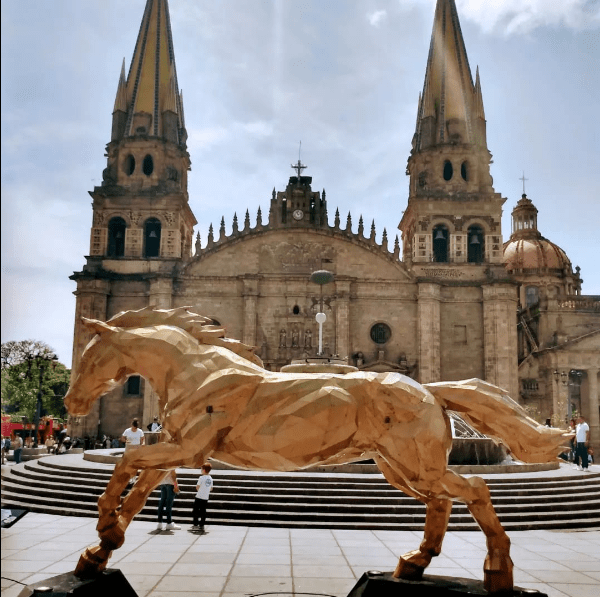
Daniel: Hola! Sure thing. My name’s Daniel Beltran, and I’m the head cook at Fireside Forge, the brewery my best friend Finn runs in Richmond. I’m originally from Guadalajara, but I’ve made Richmond my home for the past few years. I love being in the kitchen, experimenting with flavors, and creating dishes that make people feel good.

Interviewer: That sounds like a perfect fit for someone who’s a Cancer. How do you think your zodiac sign influences your personality?

Daniel: Oh, I’m definitely a Cancer through and through. I’m all about nurturing the people I care about, which is why I think I love cooking so much. It’s my way of taking care of others. But being a Cancer also means I feel things deeply—whether it’s love or loneliness, I experience it all in a big way. Sometimes that’s hard, but it’s also what makes me who I am.

Interviewer: Speaking of loneliness, you’ve been pretty open about your struggles with love. How has that been for you?

Daniel: Yeah, love hasn’t been the easiest for me. I’ve had my heart broken a few times, and it’s made me a little hesitant to put myself out there again. I guess I’ve always felt like I’m just waiting for the right person to come along, but so far, that hasn’t happened. It’s tough being in Richmond, away from my family and culture, especially when you don’t have someone special to share it with.

Interviewer: You’ve mentioned that you’re considering moving back to Mexico if things don’t change. What’s behind that decision?

Daniel: Richmond’s been good to me, but there’s a part of me that’s never stopped missing home. I’ve been feeling more and more like it might be time to go back. If I can’t find what I’m looking for here—a sense of belonging, love—then maybe it’s time to try somewhere else. Guadalajara is calling me back, and I’m seriously thinking about answering.

Interviewer: But before you pack your bags, there’s someone new in your life, right? Can you tell us about Max?

Daniel: (Smiles) Max… He’s something else. He’s this incredible food blogger who’s taken the culinary world by storm. We met when he came to Fireside Forge to write about the place, and there was just… something between us from the start. We connected in a way I hadn’t felt in a long time. It was exciting, like a spark I’d been missing. We fell hard and fast, but, well, there’s a twist in the story. Let’s just say not everything is as perfect as it seems.

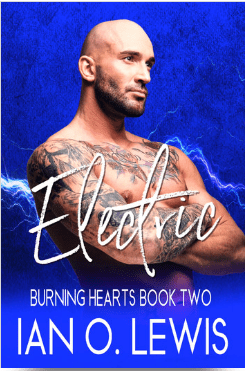
Interviewer: That sounds intriguing! Without giving too much away, what can readers expect from Electric?

Daniel: They can expect a lot of passion, some intense moments, and maybe a few tears. My journey with Max isn’t an easy one, and there are definitely some obstacles we’ll have to face. But at its core, Electric is about finding love when you least expect it and deciding how far you’re willing to go to keep it. It’s a story of taking risks, which, for a Cancer like me, isn’t always easy, but it’s necessary if you want to find happiness.

Interviewer: We can’t wait to read more about your story in Electric! Before we wrap up, where can fans keep up with you online?

Daniel: You can find me on Instagram at @NowhereBoy. It’s where I share a bit of everything—my cooking, my thoughts, and sometimes just the little moments that make life interesting. I’d love to connect with everyone there.

Interviewer: Thanks so much for sharing with us, Daniel. We’re excited to see where your journey takes you next!

Daniel: Gracias! I hope everyone enjoys the ride. It’s going to be an unforgettable one.

Preorder your copy today from your favorite online bookstore. Electric, which is coming this October, is available at Amazon, Apple Books, Barnes & Noble, Google Play, Kobo, and Smashwords.

The Plot Thickens: How I Develop Compelling Stories

If you’re a writer, then you probably know that story ideas don’t come from a scheduled brainstorming session—they pop up when you’re doing the most random things. I’m no exception. Whether I’m sipping coffee on my balcony or scrolling through the news, my mind is always crafting stories, turning everyday moments into plot twists and character arcs.

Yes, it means I’m a little nutty. (Aren’t all writers, though?) But it’s a habit that feeds my creativity. I’m constantly daydreaming about what could happen if one decision led to something entirely unexpected. I see possibilities in every headline or overheard conversation, and soon, a story starts to form.

Take the YA cartel series I’m developing now, for instance. The idea struck me like lightning when I read about a horrifying incident in neighboring Zapopan last year—eight people murdered for trying to quit their jobs at a call center. Imagine that. You’re trying to leave a job, and instead of a farewell party or some casual goodbyes, you’re met with violence and terror.

It was brutal, haunting, and exactly the kind of plotline that sticks with you. The seeds of a series were planted right there. That story became a dark, rich well for characters, motivations, and a dangerous world where leaving your job might mean leaving your life behind. You can read the details about the tragic murders here.

If you can’t tell, I love living in Mexico, but the reality of cartels can’t be ignored. Normally I stick to writing romance novels because they’re so much fun to write. But again, the plot to a YA novel took hold, and I’ve decided to see it rhough to the end. If you’re one of my romance readers, don’t worry, I am continuing to write them, but I’ve decided to make the writing of the YA novel a series here on my blog.

Choosing The Title

Every great story needs a great title, and for me, the title is where the planning truly begins. It’s the first spark that brings everything together. The title sets the tone, hints at the central conflict, and gives me a creative anchor to build from. It’s one of the most exciting parts of the process because it distills the entire story into just a few words.

When I sat down to brainstorm this new cartel series, I knew the title needed to capture the intensity of the setting, the danger of the situation, and the impossible choices the characters would face. I wanted something gritty and suspenseful, something that would make readers think, This is going to be a wild ride.

I played around with a few options before landing on something that felt right. Here’s a peek at my brainstorming process for titles:

  • Call of the Cartel
  • Deadly Connections
  • Hang Up to Die
  • Escape the Line
  • No Way to Quit
  • Silent Signals
  • Lines of Blood
  • Click or Kill

All of these reflect the tension between an ordinary job and the life-or-death stakes the characters will face. But one title really jumped out at me as I thought more about the call center setting and the brutal consequences of trying to leave: Dialing Or Death. It’s direct, punchy, and sums up the stakes in just three words.

So, for now, the working title is Dialing Or Death. It might change as the series develops, but this one has a grip on me. If you have an idea for a great title, I’d love to hear it! You can email me at ianolewis@cruz-publishing.com.

With a title in place, the story starts to take shape. It’s like having a map to guide me through the creative process, grounding the wild ideas that constantly swirl around in my head. From the moment I saw that news story about the call center murders in Zapopan, I knew I had the seed of something powerful. Now, with Dialing Or Death as my working title, the series is starting to feel real.

But we’ve only just scratched the surface. Next week, I’m diving into one of the most critical parts of the process—the blurb. As far as I’m concerned, the blurb is almost as important as the outline. It’s not just a summary; it’s the promise of the story, the hook that pulls readers in and keeps them wanting more. Getting it right is key to crafting a compelling book.

So, join me next week as I walk you through how I write blurbs that capture the essence of the story, without giving everything away. Trust me, you won’t want to miss this!

Using Current Events to Enrich Fiction

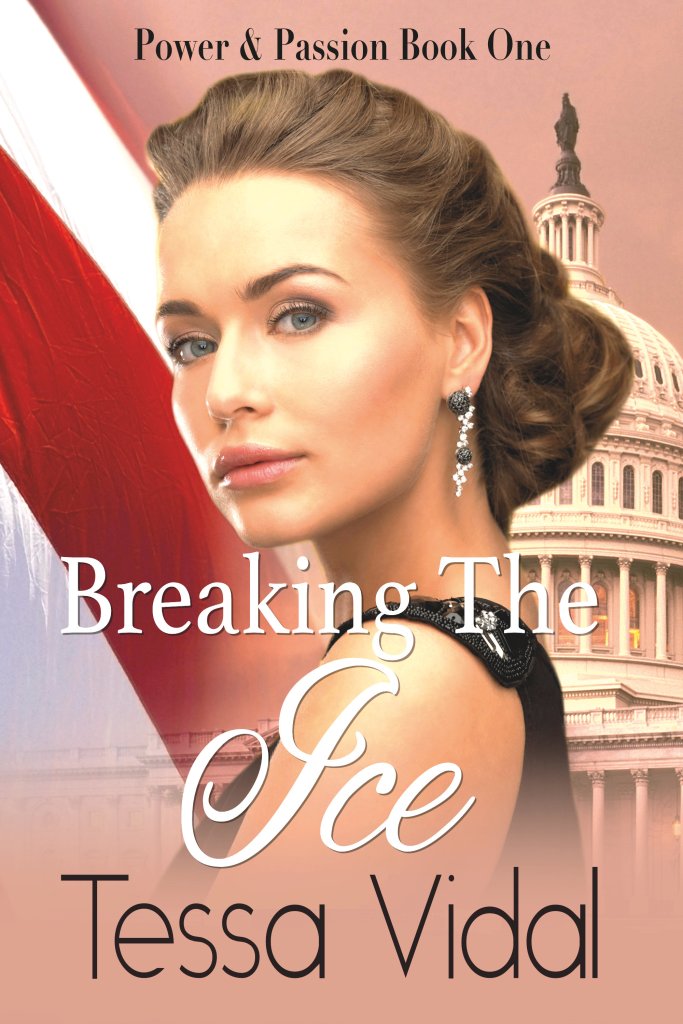
In the ever-evolving landscape of literature, incorporating current events into fiction offers a unique way to enrich storytelling. It allows authors to create narratives that resonate deeply with readers by weaving in elements of the world they live in. In this post, I’ll explore why and how current events can enhance fiction, using my upcoming novel Breaking The Ice by my pen name Tessa Vidal as a case study.

Why Incorporate Current Events?

Integrating current events into fiction isn’t just about mirroring reality; it’s about creating stories that feel immediate and relevant. By grounding your narrative in real-world events, you can engage readers on a more profound level, sparking conversations and connections that go beyond the page.

Be Careful!

The one real drawback to incorporating current events into a story is you end up dating yourself, which can shorten the shelf-life of your book. Because of this you should always be careful to pick current events that are also evergreen topics. For example, in my current work in progress I’m using a political setting without engaging in specific events that happened in real life. Politics is evergreen, meaning it’s almost always current, but if I wrote about the actual election of 2024 between Kamala Harris and Donald Trump, the book would be dated almost immediately after the conclusion of the presidential race.

Balancing Accuracy and Creativity

While using current events can add depth to your story, it’s crucial to balance accuracy with creativity. Extensive research is essential to ensure a respectful and accurate portrayal. However, fiction allows for flexibility—use real events as a backdrop while crafting fictional elements to suit your narrative.

Crafting Characters and Plotlines

Current events can significantly influence character development and plot progression. Characters’ reactions to these events can reflect real-world perspectives and add layers of authenticity to their motivations and conflicts. For example, in Breaking The Ice, the fictional “Vision 2025 Coalition” is inspired by Project 2025, highlighting the tensions surrounding environmental policies. The antagonist, Victor Blackwood, embodies the morally ambiguous tactics often seen in contemporary politics, drawing loose inspiration from figures like Roger Stone.

Case Study: Breaking The Ice

In Breaking The Ice, the “Vision 2025 Coalition” is a critical plot device. This fictional organization is modeled after Project 2025, a real-world initiative with controversial implications. By adapting this concept, I’ve created a compelling antagonist, Victor Blackwood, whose lobbying efforts for off-shore drilling present a formidable challenge for the protagonist, Representative Ellie Thompson.

Victor’s character is loosely based on Donald Trump ally Roger Stone, reflecting the cunning and controversial nature of some political figures. His blackmail tactics—using Ellie’s secret as leverage—introduce a moral dilemma that deepens the story’s conflict. This approach not only provides a gripping narrative but also mirrors real-world political drama, enhancing the story’s relevance and impact.

Enhancing Reader Engagement

By incorporating current events, you invite readers to engage with your story on a personal level. It stimulates discussion and encourages readers to reflect on contemporary issues through the lens of fiction. This connection can make your story more impactful and memorable.

Conclusion

Incorporating current events into fiction offers a powerful tool for creating engaging, relevant, and thought-provoking narratives. By blending real-world elements with creative storytelling, you can craft stories that resonate deeply with readers and spark meaningful conversations. I encourage fellow writers to explore this approach, balancing creativity with reality to enhance their storytelling.

Have you used current events in your writing? If you’re not a writer, are you ever drawn to books about current events? If so, share your experience in the comments below. Happy Reading!

Breaking The Ice is now available for preorder exclusively on Amazon.