
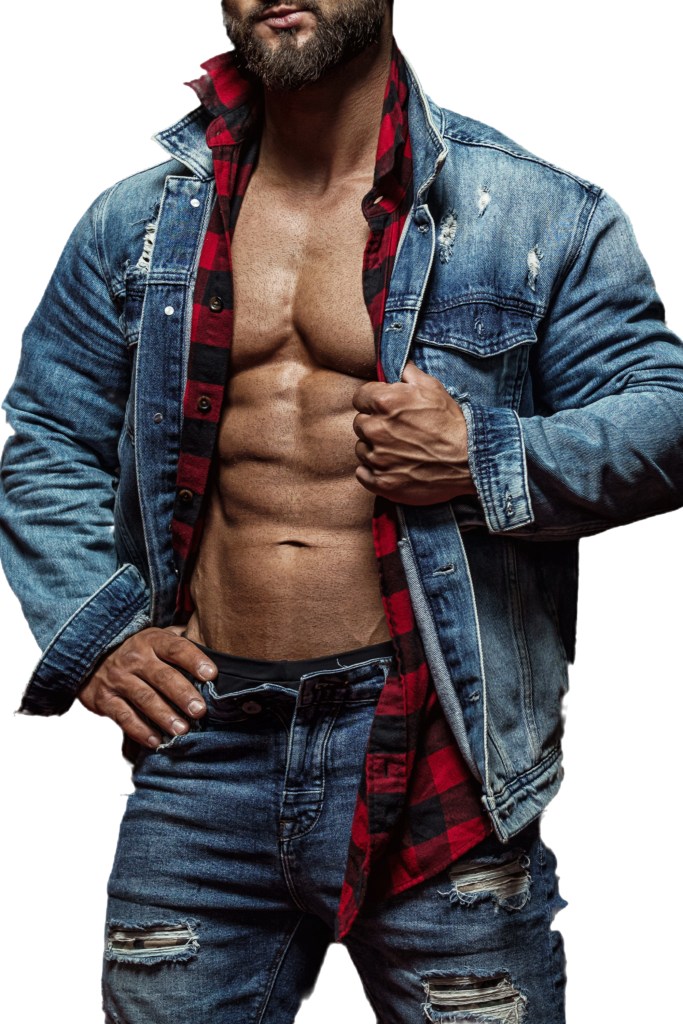
When we talk about “bears” in the LGBTQ+ community, we’re not referring to the woodland creatures but rather a unique and vibrant subculture within the gay community. The term “gay bear” describes larger, often hairy gay men who embrace and celebrate body positivity and masculinity. Let’s delve into the origins, significance, and social impact of this identity.
Origins of the Bear Identity
The concept of the “bear” as a gay identity dates back to a 1979 article in The Advocate, a prominent LGBTQ+ magazine. This article categorized gay men based on their appearance, and from this, the bear identity began to take shape. Over the years, bears gained traction and evolved into a celebrated part of the LGBTQ+ community, representing a departure from stereotypical notions of male attractiveness.
Embracing Body Positivity
A core aspect of the bear identity is the celebration of body types that fall outside conventional standards of male beauty. Bears promote self-love and acceptance, encouraging individuals to embrace their natural bodies. This message of body positivity is crucial in a society that often pressures people to conform to unrealistic physical ideals. For me, this is my favorite thing about a cuddly bear. Not everyone is a skinny twink who you can barely recognize because of all the filters they use on social media posts. And FYI, I’m a bear admirer, not an actual bear. I’m too skinny, but I have been called an otter on multiple occasions! An otter is a thinner version of a hairy bear in case you were wondering.
Building a Strong Community
The bear community is known for its inclusivity and sense of belonging. There are bear-specific bars, clubs, social groups, and even annual events like bear Prides, where members of the community come together to celebrate their identity. These spaces provide a safe and welcoming environment for bears to express themselves and connect with others who share similar experiences and values.
Social Media Trends
On social media, the bear identity is often highlighted for its positive attributes, including:
- Confidence: Bears are admired for their self-assuredness and comfort in their own skin. This confidence is seen as highly attractive and inspiring.
- Masculinity: Bears challenge traditional beauty standards by representing a different kind of masculine appeal, one that values authenticity over conventional aesthetics.
- Community: The strong sense of belonging and acceptance within the bear community is often showcased, emphasizing the supportive and tight-knit nature of this group.
It’s important to note that social media trends can sometimes be lighthearted and generalized. However, the core message remains clear: the bear community is a testament to the power of body positivity and the celebration of diverse forms of masculinity within the LGBTQ+ community.
Conclusion
The bear identity within the LGBTQ+ community is a powerful example of how diversity and acceptance can create a vibrant and supportive subculture. By embracing body positivity and redefining masculinity, bears challenge societal norms and inspire others to do the same. Whether through social media trends or real-life community events, the bear identity continues to make a significant impact, reminding us all of the importance of self-love and acceptance. Enjoy my first bear romance novel, Ignited, which is available at Amazon, Apple Books, Google Play Books, Kobo, Nook, and Smashwords. It’s also available at the Cruz Publishing bookstore, where I earn a higher royalty!

 Ian O. Lewis and Luke Jameson
lol that is NOT a bear in that picture 😂
LikeLike